
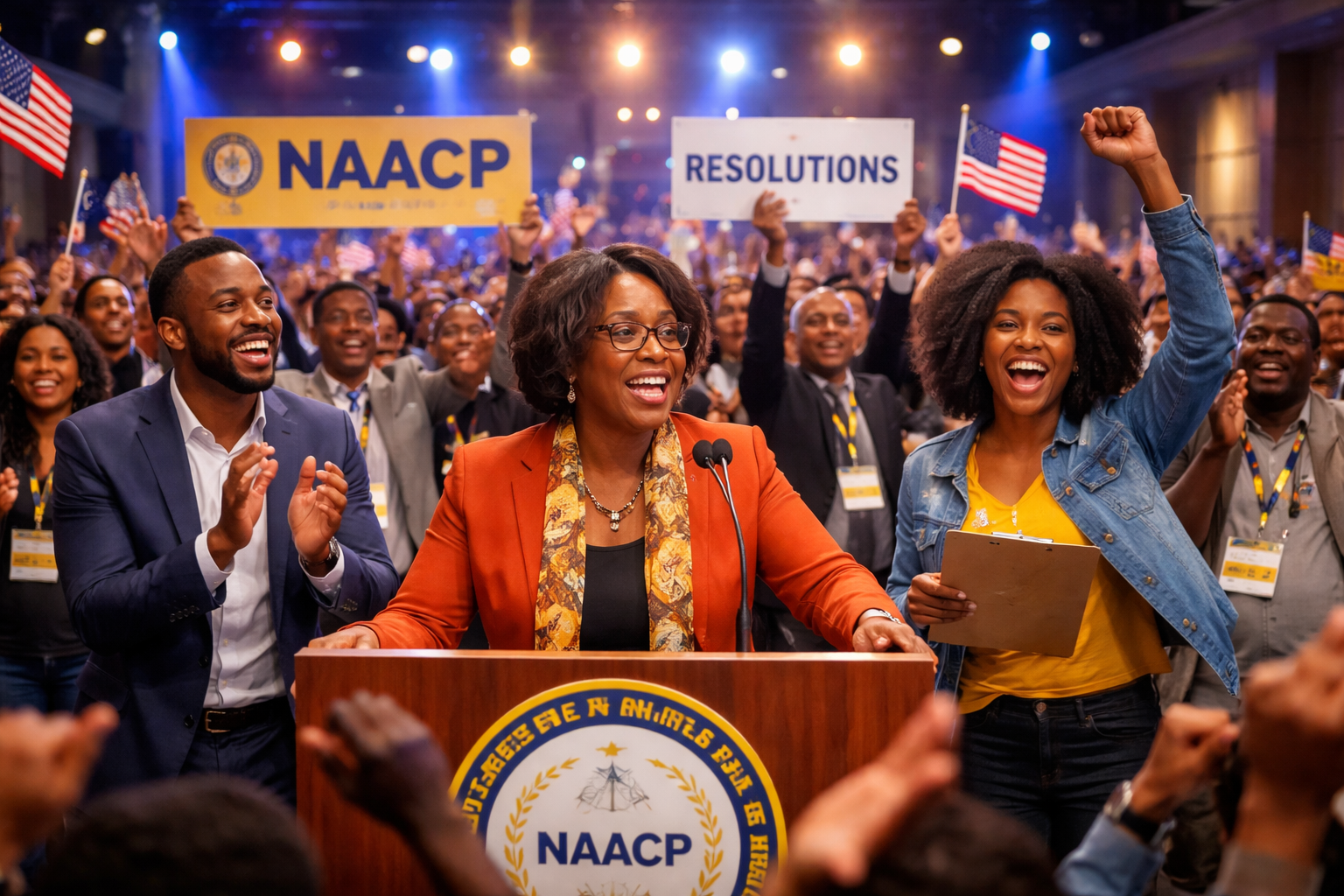
The NAACP has long played a central role in shaping civil rights policy in the United States. Its national conventions serve as key platforms where leaders, activists, and community members gather to discuss pressing issues and propose solutions. These conventions are not merely symbolic events—they actively influence the direction of civil rights advocacy.
Policy resolutions passed during these gatherings reflect both grassroots concerns and strategic priorities. By bridging local voices with national leadership, the NAACP ensures that its agenda remains relevant and impactful. Understanding this dynamic reveals how collective action translates into meaningful policy change.
Convention Structure
NAACP conventions are organized forums that bring together delegates from across the country. Participants include local chapter representatives, national leaders, and community activists who contribute to discussions and decision-making processes. This inclusive structure ensures diverse perspectives are considered.
The convention typically includes workshops, panel discussions, and voting sessions. These activities provide opportunities for participants to propose and debate policy resolutions. The structured environment allows ideas to be refined before being formally adopted.
Convention Process Overview
| Stage | Description |
|---|---|
| Proposal Submission | Members submit policy ideas and concerns |
| Committee Review | Experts evaluate feasibility and relevance |
| Debate Sessions | Delegates discuss and refine proposals |
| Voting Process | Members approve or reject resolutions |
| Implementation | Adopted policies guide advocacy efforts |
Policy Formation
- Grassroots Input
- Local chapters identify community-specific issues.
- These concerns are brought to the national stage for discussion.
- Collaborative Drafting
- Committees work together to develop clear policy language.
- Input from experts ensures accuracy and effectiveness.
- Priority Setting
- Key issues are selected based on urgency and impact.
- Strategic focus aligns with organizational goals.
- Consensus Building
- Open dialogue helps achieve agreement among delegates.
- Collective decisions strengthen policy legitimacy.
Policy formation within NAACP conventions reflects a balance between grassroots activism and structured governance. This approach ensures policies are both relevant and actionable.
Grassroots Influence
Grassroots participation is a defining feature of NAACP conventions. Local members bring firsthand knowledge of challenges faced by their communities. Their contributions ensure that policies address real-world issues rather than abstract concepts.
This bottom-up approach empowers individuals and strengthens community engagement. By giving a voice to diverse perspectives, the NAACP fosters inclusive decision-making. Grassroots influence ensures that civil rights agendas remain grounded in lived experiences.
Advocacy Strategies
- Legislative Action
- Resolutions guide lobbying efforts and policy advocacy.
- Lawmakers are influenced through organized campaigns.
- Public Awareness
- Campaigns highlight key issues identified in conventions.
- Media engagement amplifies the organization’s message.
- Partnership Development
- Collaborations with other organizations expand impact.
- متحد efforts strengthen advocacy outcomes.
- Legal Initiatives
- Policies inform litigation strategies.
- Legal actions support enforcement of civil rights protections.
These strategies translate policy resolutions into tangible outcomes. They demonstrate how conventions shape real-world change.
Community Impact
The impact of NAACP conventions extends beyond policy development. Communities benefit from increased awareness, resources, and advocacy efforts. Programs and initiatives inspired by resolutions address issues such as education, voting rights, and economic equity.
Local chapters play a key role in implementing these initiatives. Their close connection to communities ensures effective execution. This decentralized approach enhances the organization’s reach and impact.
Historical Role
NAACP conventions have historically influenced major civil rights milestones. Over the decades, resolutions have addressed segregation, discrimination, and voting rights. These efforts have contributed to significant social and legal changes.
The organization’s ability to adapt to evolving challenges has kept it relevant. By continuously updating its agenda, the NAACP remains a leading force in civil rights advocacy. Its conventions serve as a platform for shaping the future.
Challenges Faced
- Diverse Perspectives
- اختلاف opinions can make consensus difficult.
- Balancing priorities requires careful negotiation.
- Resource Constraints
- Limited funding may affect implementation.
- Strategic allocation is essential for success.
- Political Resistance
- Advocacy efforts may face opposition.
- Sustained effort is needed to overcome barriers.
- Evolving Issues
- New challenges require constant adaptation.
- Policies must remain flexible and forward-looking.
Addressing these challenges is crucial for maintaining effectiveness. Continuous improvement ensures that conventions remain impactful.
Future Direction
The future of NAACP conventions lies in expanding participation and leveraging technology. Digital platforms can enhance engagement and allow broader input from members. This will strengthen the connection between grassroots voices and national leadership.
Innovative approaches to policy development and advocacy will further increase impact. By embracing change, the NAACP can continue to shape civil rights agendas effectively. The evolution of conventions will play a key role in this process.
Final Thoughts
NAACP conventions represent a powerful intersection of grassroots activism and structured policy-making. Through collaborative processes, they transform community concerns into actionable civil rights agendas. This dynamic ensures that the organization remains responsive and influential.
The lasting impact of these conventions highlights the importance of collective action in driving social change. By continuing to prioritize inclusivity and adaptability, the NAACP can sustain its role as a leader in advancing civil rights.