Platform Power and Policy Outcomes: How Social Media Algorithms Shape Political Advocacy Success

Social media platforms have become central arenas for political advocacy, where visibility often determines influence. Behind this visibility lie complex algorithms that curate content, prioritize engagement, and shape what users see. These algorithmic systems significantly impact which advocacy campaigns gain traction and which remain marginalized. Understanding platform power requires examining how algorithms influence information flow, … Read more
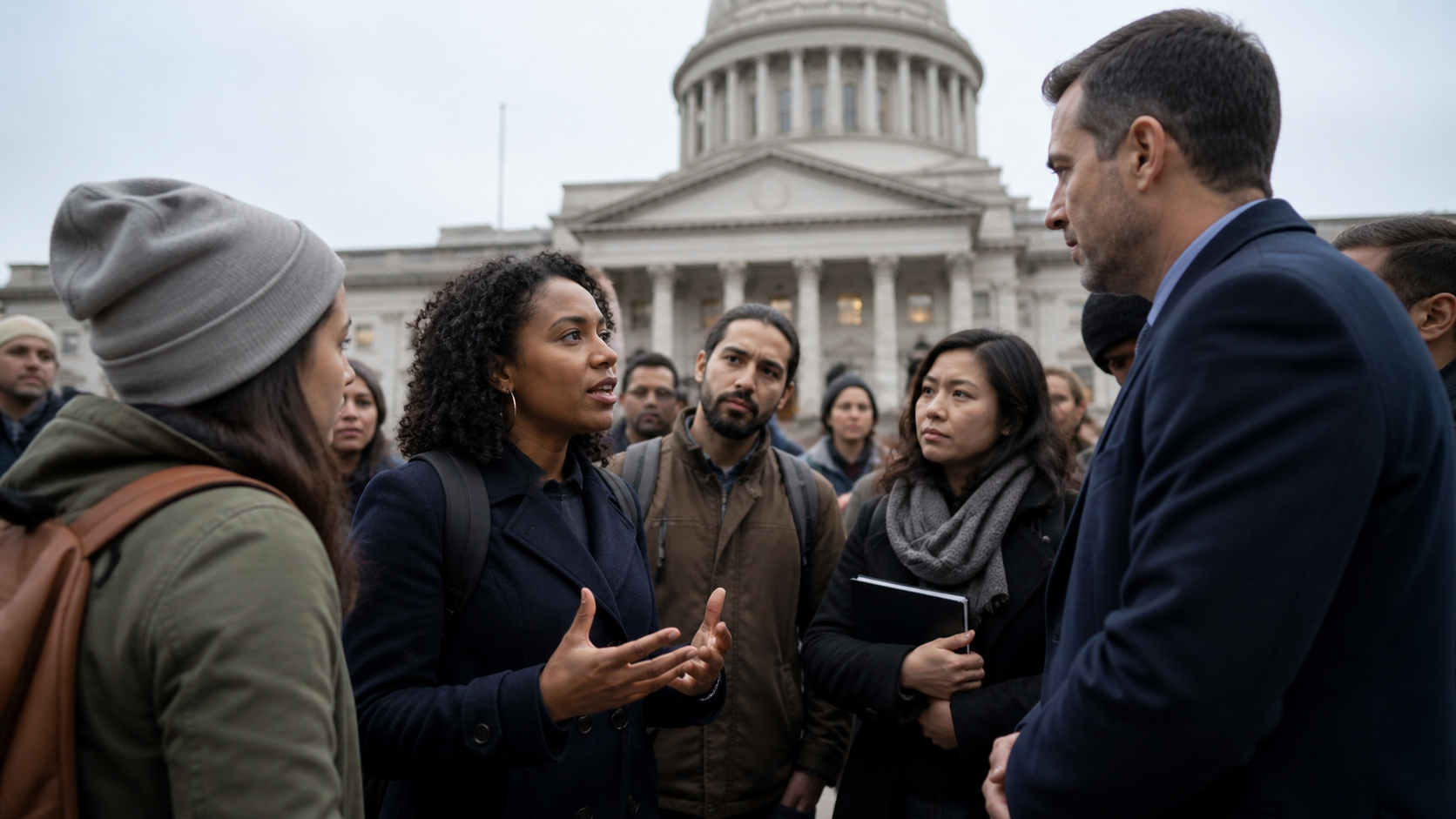

Grassroots Coalitions to Legislative Impact: How Local Activism Networks Influence National Policy Frameworks

Grassroots activism has long been a catalyst for social and political change, transforming local concerns into national policy priorities. Community-led coalitions—often formed around shared experiences and urgent issues—mobilize citizens, shape public discourse, and pressure institutions to respond. These networks operate at the intersection of civic engagement and governance, turning localized action into broader legislative influence. … Read more

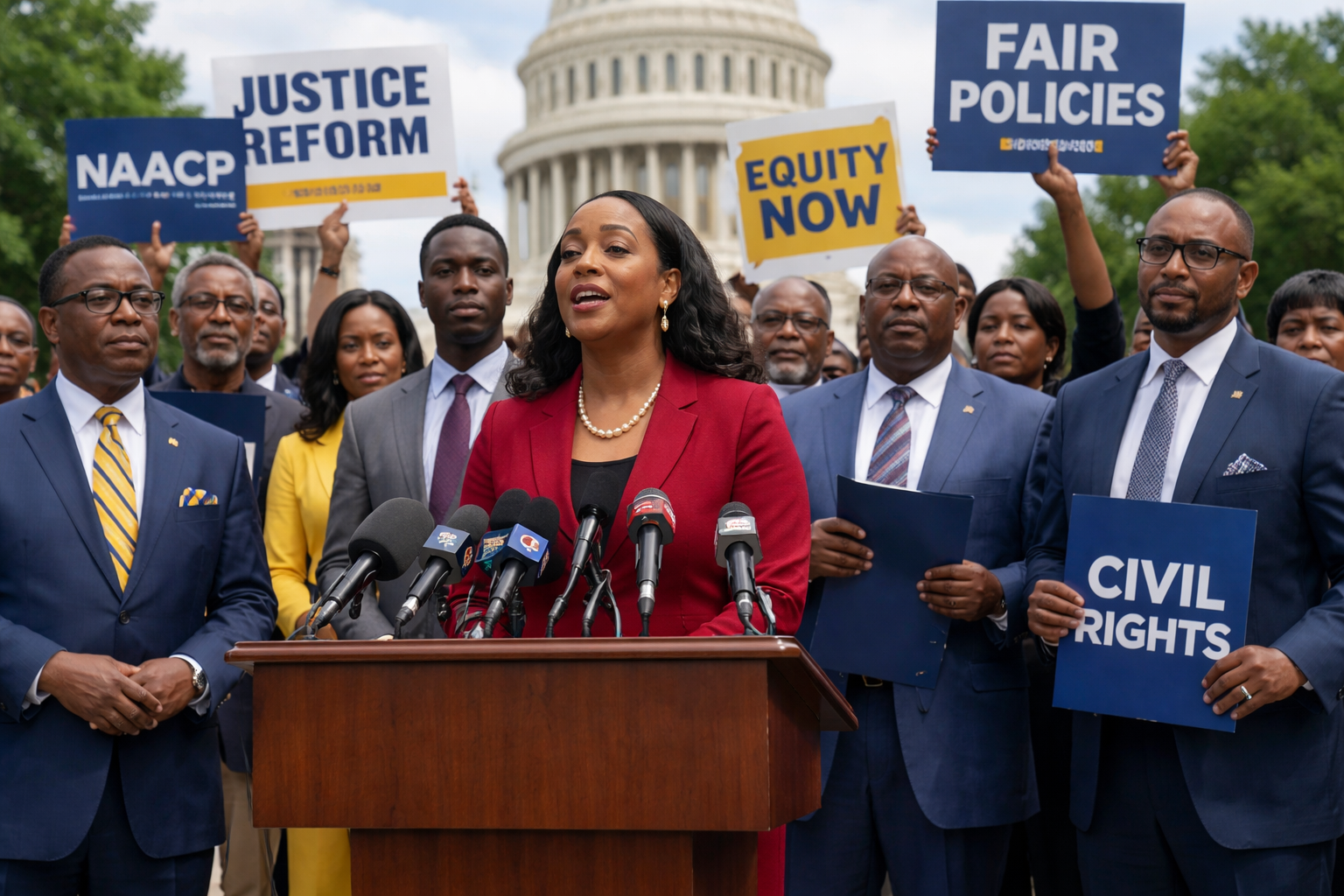
Policy Resolutions and Their Impact: How NAACP Conventions Shape National Civil Rights Agendas

Policy resolutions adopted at conventions of the NAACP have played a critical role in shaping civil rights agendas across the United States. These resolutions reflect collective priorities, address pressing social issues, and guide advocacy efforts at local, state, and national levels. By formalizing demands and strategies, conventions act as powerful platforms for coordinated action. Over … Read more

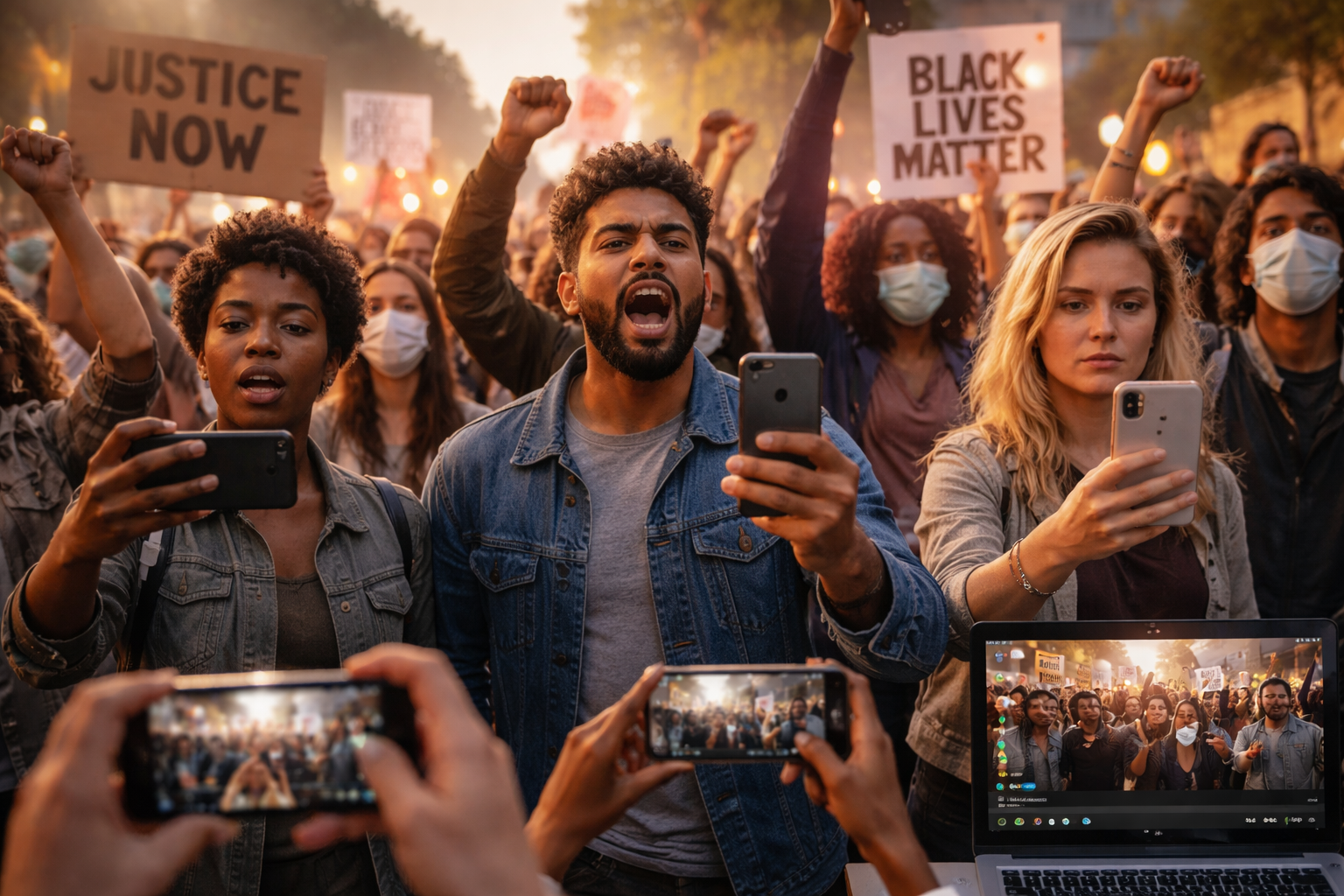
From Hashtags to Policy Change: Translating Digital Activism into Real-World Impact

Digital activism has transformed how social movements emerge, spread, and influence public discourse. Hashtags, viral campaigns, and online communities enable rapid awareness-building, often reaching global audiences within hours. Platforms like Twitter and Instagram have become central spaces where voices once marginalized can now mobilize attention and solidarity. However, awareness alone does not guarantee structural change. … Read more

From Online Mobilization to Institutional Reform: Building Sustainable Digital-to-Offline Activism Pipelines

Digital-to-offline activism pipelines represent a critical evolution in modern social movements. While online mobilization can generate awareness and rapid engagement, long-term change depends on translating that momentum into institutional reform. Building structured pathways from digital action to real-world impact is essential for sustainable activism. This transition requires more than viral content or temporary campaigns. It … Read more

Algorithmic Power and Social Movements: How Platform Design Shapes Political Outcomes

Algorithmic power has become a defining force in shaping modern social movements and political outcomes. Digital platforms no longer act as neutral spaces; instead, their underlying algorithms influence what content users see, how information spreads, and which voices gain visibility. This dynamic has transformed how political narratives are formed and mobilized. As social movements increasingly … Read more

Advancing Voting Rights Through the NAACP: Strengthening Democracy in Marginalized Communities

The fight for voting rights in the United States has been deeply shaped by organizations committed to equality and justice. Among the most influential is the National Association for the Advancement of Colored People, which has played a central role in expanding democratic participation for marginalized communities. Through legal advocacy, grassroots mobilization, and policy reform, … Read more

NAACP and Policy Reform: Influencing Legislation for Equity

The National Association for the Advancement of Colored People (NAACP) has played a pivotal role in shaping policies aimed at promoting racial equity and social justice in the United States. Since its founding in 1909, the organization has advocated for legal reforms, civil rights protections, and policy changes that address systemic discrimination and economic disparities. … Read more

Digital Activism and Civil Rights: How Technology Is Reshaping Social Movements

Digital technology has transformed the landscape of civil rights activism, enabling faster communication, broader participation, and global visibility. From social media platforms to data-driven campaigns, activists now have powerful tools to organize, mobilize, and advocate for change. This shift has redefined how movements emerge and sustain momentum in the modern era. The rise of digital … Read more

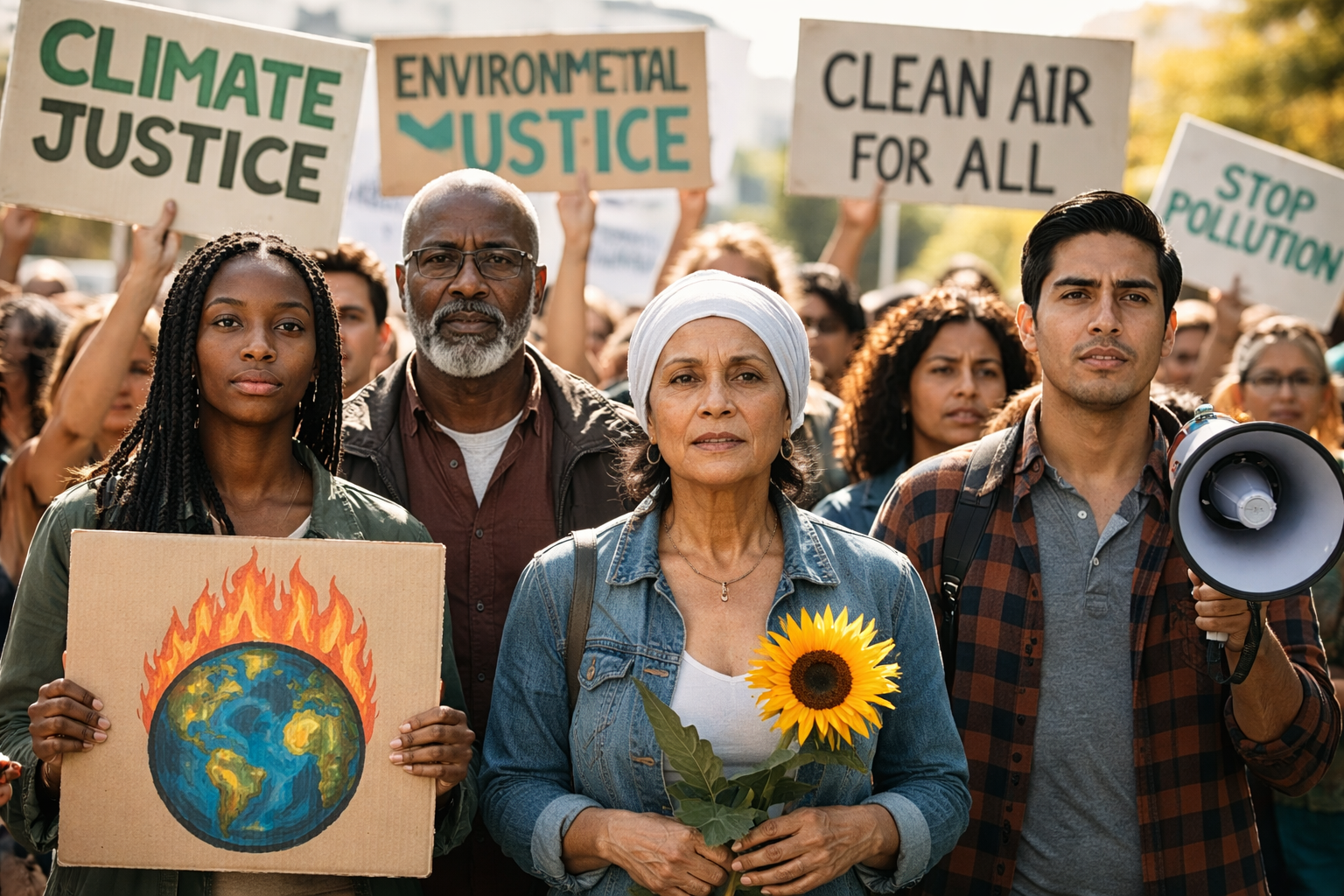
Environmental Justice and Civil Rights: Addressing Inequality in Climate Impact

Environmental challenges do not affect all communities equally. Climate change, pollution, and resource scarcity often disproportionately impact marginalized populations, raising critical concerns about fairness and human rights. Environmental justice seeks to address these disparities by ensuring that all communities have equal protection and access to a healthy environment. The intersection of environmental issues and civil … Read more