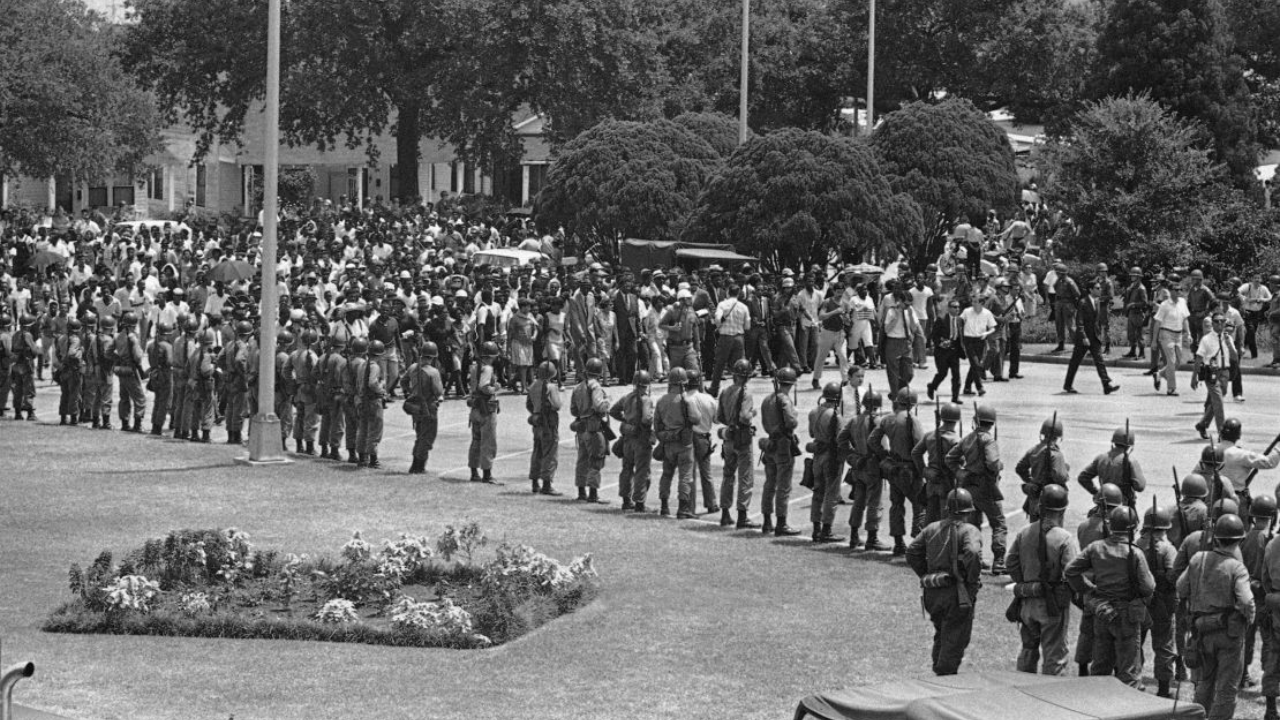
Louisiana became a key state in the national civil rights movement, serving as a center for legal battles, grassroots organizing, and community advocacy. Activists, state conferences, and local organizations collaborated with the NAACP and other civil rights groups to challenge segregation, protect voting rights, and improve opportunities for African Americans. The state’s efforts influenced national policies while addressing the unique social, economic, and political challenges faced by its residents.
School desegregation faced strong opposition in Louisiana, prompting legal challenges and student-led protests.
Public space integration included buses, parks, restaurants, and theaters, often leading to confrontations and arrests.
Higher education access for African Americans required court action to dismantle discriminatory admission practices.
Community mobilization ensured that protests remained organized and sustained despite opposition.
Media coverage helped national audiences understand the challenges faced in Louisiana, raising awareness of systemic racism.
Key Segregation Challenges in Louisiana
Focus Area
Impact
Schools
Legal cases and protests led to gradual integration of public schools.
Public Spaces
African Americans gained access to buses, parks, and theaters.
Higher Education
Court actions enabled entry to previously segregated universities.
Transportation
Campaigns challenged discriminatory bus and train practices.
Media Exposure
Highlighted injustices and motivated national support.
Voting Rights Campaigns
Voter registration drives targeted African Americans in rural and urban areas.
Legal challenges addressed discriminatory literacy tests and poll taxes.
Community education programs taught citizens about their rights and how to vote.
State and local advocacy pressured legislators to comply with federal voting laws.
Coalitions with national organizations amplified efforts to increase political participation.
Voting Rights Initiatives in Louisiana
Initiative
Description
Voter Registration Drives
Organized campaigns to increase registration in African American communities.
Literacy Test Challenges
Legal battles to remove discriminatory testing requirements.
Poll Tax Elimination
Advocacy to remove taxes that blocked voter participation.
Community Education
Workshops and programs to inform citizens about voting rights.
Coalition Building
Partnerships with national civil rights groups to strengthen campaigns.
Legal Advocacy and Court Interventions
Employment discrimination cases helped African Americans gain equal access to public and private jobs.
Housing litigation addressed redlining and discriminatory rental practices.
Criminal justice reforms sought to reduce racial disparities in arrests, trials, and sentencing.
State and federal collaboration ensured enforcement of civil rights laws at local levels.
Support for plaintiffs provided access to legal representation and guidance.
Legal Advocacy Focus Areas
Focus Area
Impact
Employment
Challenged workplace discrimination and promoted equal hiring.
Housing
Fought redlining and unequal access to housing.
Criminal Justice
Reduced racial disparities in trials, sentencing, and arrests.
School Admissions
Ensured African Americans could attend public and higher education institutions.
Federal Collaboration
Enforcement of civil rights laws strengthened local outcomes.
Community Programs and Leadership Development
Youth leadership programs cultivated the next generation of civil rights activists.
Economic empowerment initiatives provided training, resources, and support for minority-owned businesses.
Education campaigns increased awareness of civil rights history and civic engagement.
Local conferences strengthened statewide coordination and networking.
Volunteer networks facilitated grassroots organizing, outreach, and voter engagement.
Community Impact Programs
Program
Description
Youth Leadership
Trained young leaders for activism and community service.
Economic Empowerment
Supported minority-owned businesses and job training.
Civic Education
Taught citizens about rights, responsibilities, and social justice history.
State Conferences
Coordinated initiatives between local chapters and national organizations.
Volunteer Mobilization
Strengthened grassroots advocacy and voter outreach.
Collaboration with the National NAACP
State conferences connected Louisiana communities to national policies and campaigns.
Joint legal efforts enabled larger impact on segregation and civil rights cases.
Advocacy coordination ensured state laws aligned with federal civil rights protections.
Resource sharing provided funding, legal expertise, and strategic guidance.
National campaigns like voting rights drives benefited from local implementation in Louisiana.
NAACP Collaboration in Louisiana
Collaboration Area
Impact
Legal Campaigns
Strengthened court challenges against segregation and discrimination.
Voting Rights
Coordinated registration and election participation drives.
Policy Advocacy
Aligned state efforts with national civil rights initiatives.
Resource Allocation
Shared funding, legal expertise, and strategic support.
Community Engagement
Increased citizen participation in civil rights activities.
Looking Ahead
Louisiana’s civil rights efforts demonstrate how a single state can significantly influence national change. Historic struggles against segregation, legal advocacy, voting rights campaigns, and community programs created models for other states to follow. Collaboration between state conferences and the national NAACP amplified these initiatives. Leadership development and grassroots organizing ensured that the movement had a lasting impact, improving education, employment, housing, and civic engagement for African Americans across Louisiana. The state’s role in the civil rights movement remains a testament to the power of local action shaping national progress.