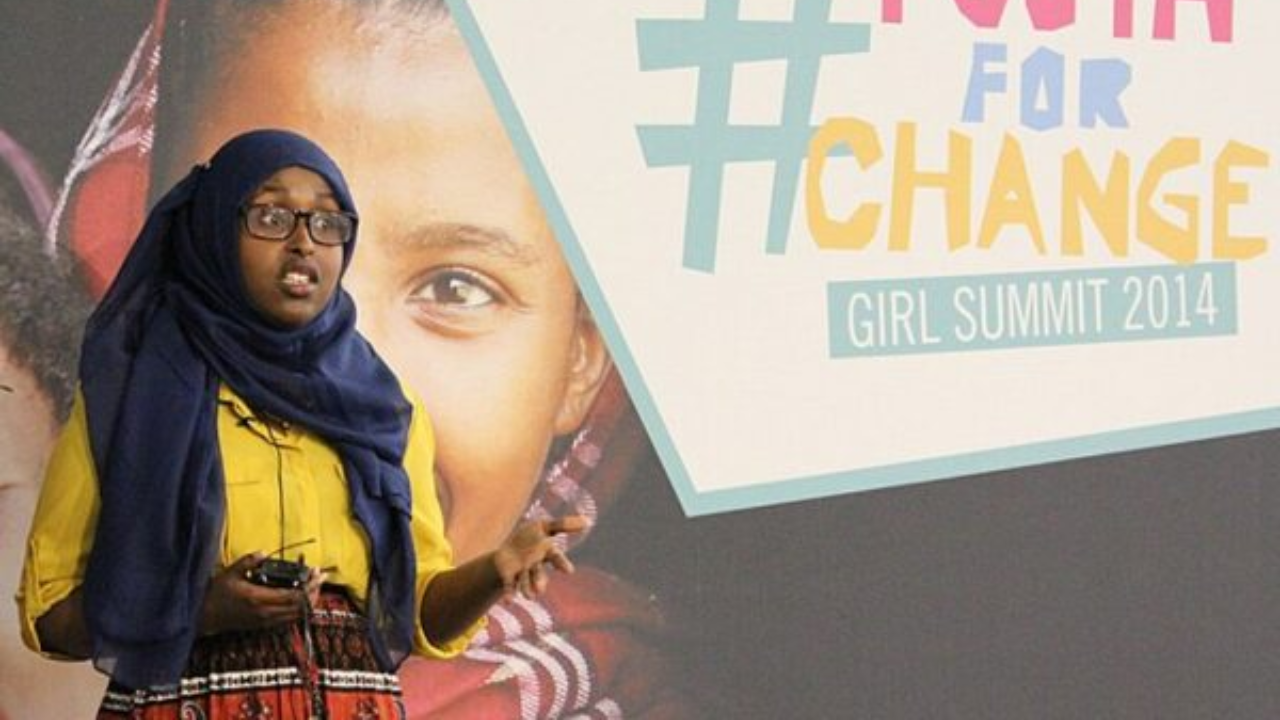
Youth programs form the foundation for building the next generation of leaders in civil rights organizations. Early engagement teaches young people about social justice, equality, and advocacy, while providing practical skills to contribute to meaningful community change. These programs ensure that civil rights movements remain active, dynamic, and sustainable over time.
Leadership development empowers young participants to take initiative in their communities.
Civic education teaches students about rights, responsibilities, and the importance of voting.
Skill building focuses on public speaking, organizing events, advocacy, and teamwork.
Community engagement connects youth to local initiatives, encouraging volunteerism and active participation.
Mentorship opportunities link young people with experienced civil rights leaders for guidance and inspiration.
Cultural awareness highlights the history of civil rights movements, promoting identity, pride, and understanding of systemic issues.
Key Functions of Youth Programs
Focus Area
Description
Leadership Development
Trains youth to lead initiatives and advocate for change.
Civic Education
Educates young people about voting, rights, and civic responsibilities.
Skill Building
Develops practical abilities in communication, organizing, and advocacy.
Community Engagement
Encourages participation in local civil rights projects and volunteer work.
Mentorship
Provides guidance from experienced activists and leaders.
Cultural Awareness
Teaches the history and significance of civil rights movements.
Benefits of Youth Programs
Empowered youth become confident advocates for justice and equality.
Stronger communities arise as youth participate in social and civic projects.
Long-term sustainability of civil rights organizations is ensured through continuous leadership development.
Increased voter participation and political engagement prepare young people to influence policies.
Intergenerational knowledge transfer preserves the history, values, and strategies of civil rights movements.
Networking opportunities connect young activists with peers, mentors, and community leaders.
Benefits of Youth Programs
Benefit
Impact
Leadership Skills
Youth gain confidence and organizational abilities.
Community Strength
Active participation strengthens local networks.
Sustainability of Movements
Ensures ongoing involvement and leadership in civil rights advocacy.
Political Engagement
Higher participation in elections and civic activities.
Knowledge Transfer
Preserves history and lessons of past civil rights movements.
Networking Opportunities
Builds connections with mentors and other youth activists.
Effective Methods for Youth Engagement
Workshops and seminars focus on activism, civic responsibilities, and social justice issues.
Volunteer projects allow youth to experience hands-on involvement in community programs.
Youth councils provide a platform for young people to share ideas and participate in decision-making.
Mentorship programs pair youth with experienced activists to guide career and advocacy growth.
Educational campaigns teach about current civil rights challenges and historical struggles.
Social media and online platforms engage youth in discussions, campaigns, and awareness programs.
Methods for Youth Engagement
Method
Description
Workshops & Seminars
Training in advocacy, leadership, and social justice topics.
Volunteer Projects
Hands-on experience in local initiatives and campaigns.
Youth Councils
Platforms for young participants to contribute to decision-making.
Mentorship Programs
Guidance from experienced activists to nurture skills and confidence.
Educational Campaigns
Inform youth about civil rights history and contemporary issues.
Online Engagement
Use social media to participate in awareness and advocacy campaigns.
Challenges in Youth Programs
Resource limitations can restrict program reach and effectiveness.
Maintaining engagement requires creative and relevant activities to keep youth involved.
Accessibility must be addressed to include youth from underrepresented or rural areas.
Balancing school and program commitments can affect participation levels.
Ensuring diversity ensures all youth voices are represented and heard.
Challenges and Solutions
Challenge
Solution
Limited Resources
Partner with organizations, seek grants, and volunteer support.
Maintaining Engagement
Offer interactive and project-based activities relevant to youth interests.
Accessibility
Provide online programs and transportation for rural areas.
Balancing Commitments
Schedule flexible programs around school and other responsibilities.
Diversity
Recruit youth from various backgrounds and communities.
In Summary
Youth programs in civil rights organizations play a critical role in shaping future leaders, promoting civic engagement, and strengthening communities. Structured activities, mentorship, and hands-on projects equip young people with the skills, confidence, and knowledge to advocate for justice and equality. Investing in youth ensures the sustainability and effectiveness of civil rights movements, creating a generation capable of leading change and preserving the values and history of the struggle for equality.