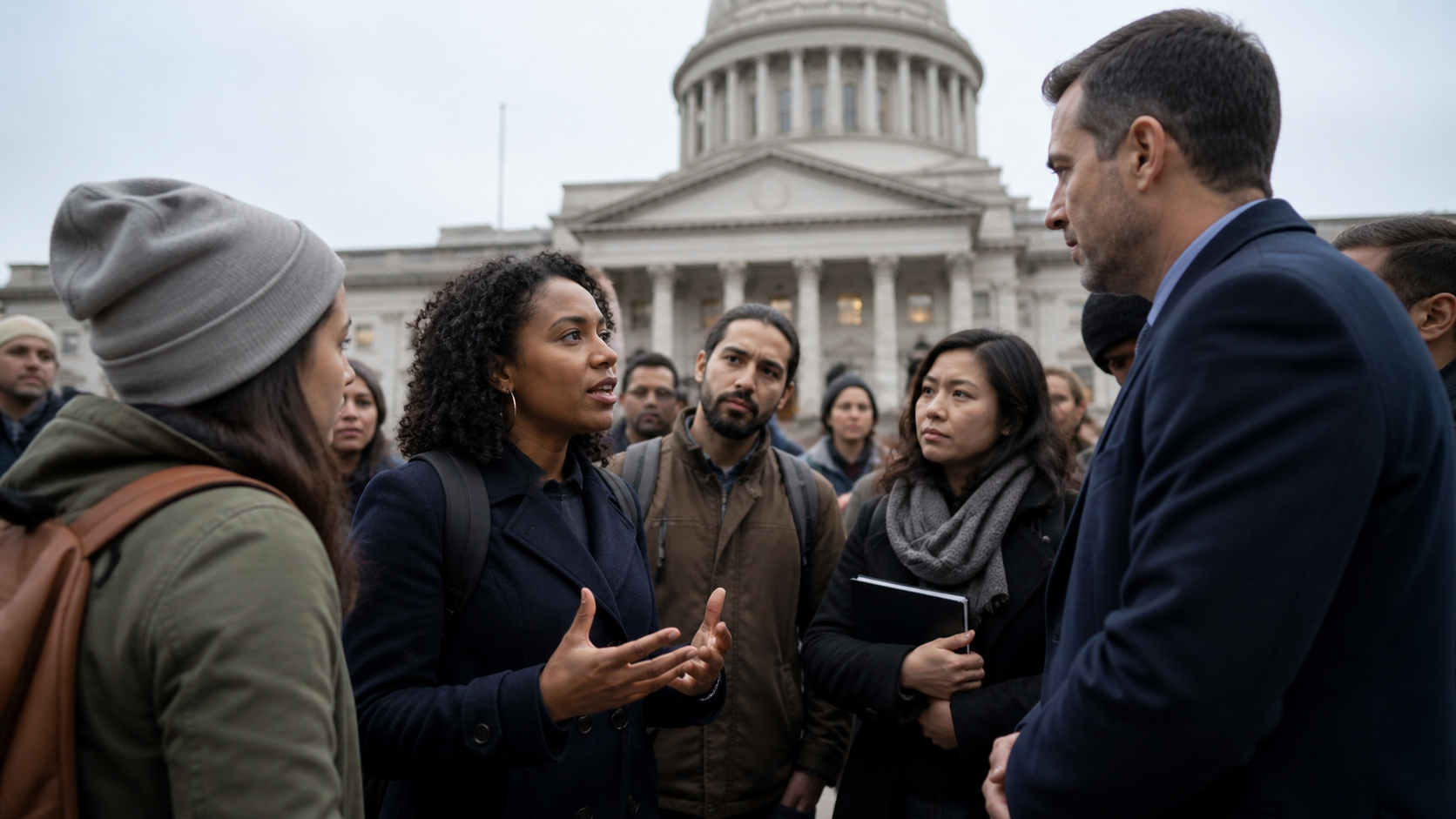
Grassroots activism has long been a catalyst for social and political change, transforming local concerns into national policy priorities. Community-led coalitions—often formed around shared experiences and urgent issues—mobilize citizens, shape public discourse, and pressure institutions to respond. These networks operate at the intersection of civic engagement and governance, turning localized action into broader legislative influence.
In today’s interconnected environment, grassroots movements leverage both traditional organizing and digital tools to amplify their reach. By building alliances, framing compelling narratives, and sustaining public pressure, local activism networks can reshape national agendas and influence policymaking processes.
Impact Pathways Table
| Element | Explanation |
|---|---|
| Grassroots Coalitions | Community-based networks advocating for change |
| Mobilization Tools | Protests, petitions, social media campaigns |
| Policy Influence | Shaping public opinion and legislative priorities |
| Key Actors | Citizens, NGOs, advocacy groups |
| Outcome | Translation of local issues into national policies |
Movement Origins
Grassroots coalitions typically emerge from localized issues that directly affect communities, such as environmental concerns, social justice, or economic inequalities. These movements are often initiated by individuals or small groups who organize around shared goals and lived experiences.
The strength of grassroots activism lies in its authenticity and proximity to real-world problems. Unlike top-down initiatives, these movements reflect genuine community needs, making them more compelling and relatable to broader audiences.
Coalition Building
- Formation of alliances across diverse community groups
- Inclusion of nonprofits, advocacy organizations, and local leaders
- Shared goals and coordinated strategies
- Resource pooling for greater impact
Coalition building is essential for scaling local activism. By объединяя different stakeholders, movements gain access to a wider range of resources, expertise, and networks. This collaboration enhances their ability to influence policy.
Effective coalitions prioritize inclusivity and shared decision-making. Ensuring that all voices are heard strengthens legitimacy and fosters long-term commitment among participants.
Mobilization Tactics
- Public demonstrations and awareness campaigns
- Petition drives and signature collection
- Social media engagement and digital storytelling
- Community meetings and town halls
Mobilization tactics are the tools through which grassroots movements gain visibility and support. These actions draw attention to issues and create pressure on policymakers to respond.
Digital platforms have significantly expanded the reach of these tactics. Social media allows movements to connect with global audiences, amplifying their message and increasing their influence.
Narrative Framing
Narrative framing plays a crucial role in shaping public perception. Grassroots movements often use storytelling to humanize issues and highlight their impact on real lives. This approach makes complex policy matters more accessible and emotionally resonant.
Effective narratives align local concerns with broader societal values. By connecting individual experiences to national priorities, movements can attract wider support and influence public discourse.
Policy Engagement
- Direct lobbying of policymakers
- Participation in public consultations and hearings
- Collaboration with policy experts and researchers
- Submission of policy proposals and recommendations
Engaging with policymakers is a critical step in translating activism into legislative impact. Grassroots coalitions often work to build relationships with decision-makers and present evidence-based arguments.
This engagement requires strategic planning and persistence. By combining advocacy with research, movements can present credible solutions that policymakers are more likely to consider.
Media Influence
Media coverage amplifies the reach and impact of grassroots movements. Traditional media outlets provide visibility, while digital platforms enable real-time communication and engagement.
Positive media representation can shape public opinion and increase pressure on policymakers. Movements that effectively manage media relations are better positioned to influence national policy frameworks.
Scaling Impact
- Expansion from local to regional and national networks
- Replication of successful strategies across communities
- Building long-term advocacy infrastructure
- Sustaining momentum through continuous engagement
Scaling impact involves transforming localized efforts into broader movements. This requires strategic planning, resource allocation, and the ability to adapt to changing contexts.
Sustained engagement is key to maintaining influence. Movements must continue to mobilize supporters and adapt their strategies to remain relevant and effective.
Challenges Faced
Grassroots coalitions often face challenges such as limited resources, internal disagreements, and resistance from established institutions. Balancing diverse perspectives within a coalition can also be complex.
Additionally, maintaining momentum over time can be difficult. As issues evolve and attention shifts, movements must find ways to sustain engagement and adapt their strategies.
Final Analysis
Grassroots coalitions play a vital role in shaping national policy frameworks by transforming local activism into legislative impact. Through coalition building, strategic mobilization, and effective narrative framing, these networks amplify community voices and influence decision-making processes.
Their success depends on collaboration, persistence, and adaptability. As civic engagement continues to evolve, grassroots movements will remain a powerful force in driving policy change and promoting democratic participation.