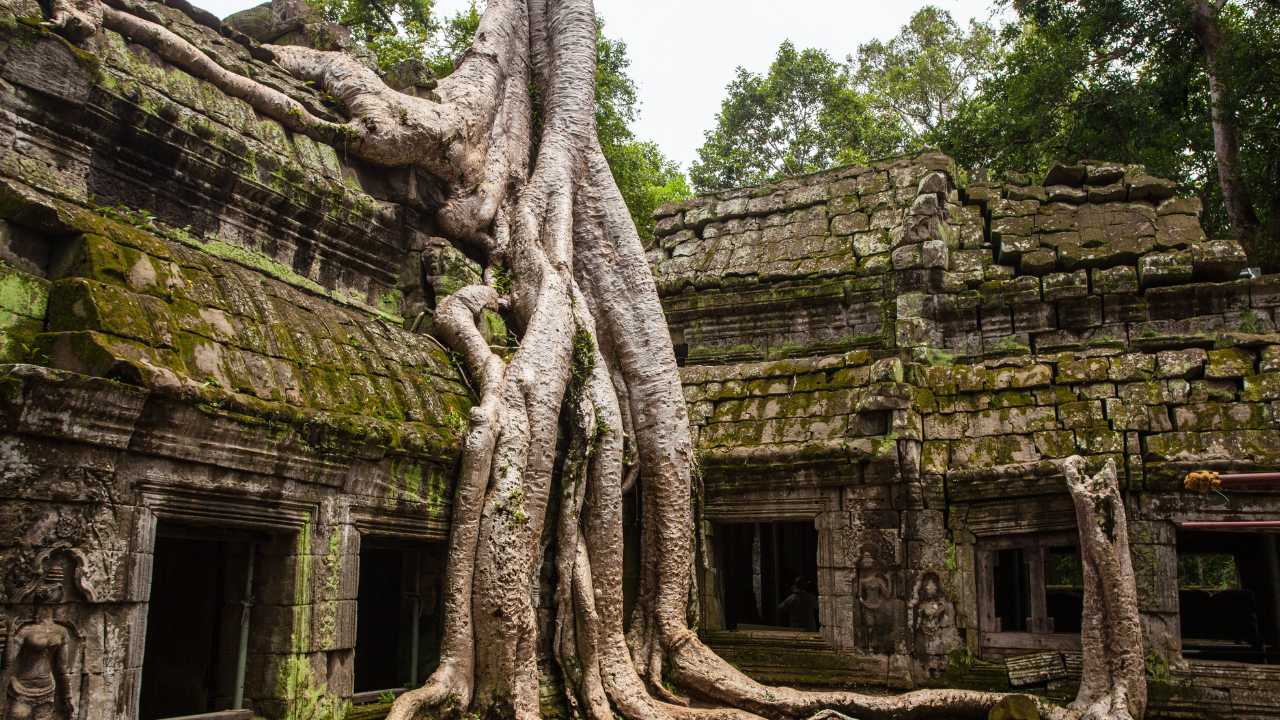
Cultural heritage preservation in Louisiana represents a major responsibility for communities, institutions, and cultural leaders. A long history shaped by Native tribes, Creole families, Cajun groups, African heritage, Spanish settlement, and French tradition creates a unique identity. Strong preservation ensures that future generations understand the origins of Louisiana’s music, food, language, architecture, and shared values.
Heritage tourism brings visitors to historic districts and cultural festivals.
Local artists and musicians earn income through performances and craft markets.
Environmental Protection and Preparedness
Preservation teams protect vulnerable sites from hurricanes and flooding.
Climate-smart materials reduce long-term damage.
Benefits of Heritage Preservation
Benefit
Impact
Tourism Growth
Visitors spend on food, festivals, museums, and tours.
Education
Students learn through authentic cultural experiences.
Community Unity
Shared traditions strengthen local identity.
Environmental Care
Restoration techniques protect landscapes and structures.
Challenges Facing Cultural Heritage in Louisiana
Environmental Threats
Coastal erosion affects tribal territories and archaeological locations.
Storms damage museums, archives, and fragile architecture.
Flooding threatens historic neighborhoods near rivers and bayous.
Urban Development Pressure
New construction removes or alters culturally important spaces.
Commercial projects replace old buildings that hold historical value.
Community character weakens when historic streets lose their original design.
Decline of Traditional Knowledge
Elders who hold historical stories and skills pass away without documentation.
Fewer young people learn traditional crafts, languages, and dances.
Digital distraction reduces interest in cultural learning.
Financial Struggles
Restoration work requires skilled labor and long-term funding.
Smaller towns lack grants to maintain cultural sites.
Many historical organizations operate with limited budgets.
Preservation Strategies in Louisiana
Community Documentation
Elders share stories, songs, and memories that researchers record.
Local groups photograph heritage sites and collect family history.
Digital archives store cultural data for future use.
Restoration Projects
Craftsmen use traditional materials to repair historic structures.
Architectural preservation teams stabilize buildings after storms.
Maintenance plans reduce long-term deterioration.
Cultural Education Programs
Schools teach Cajun French, Creole history, and tribal traditions.
Workshops introduce weaving, drumming, pottery, and folk art.
Youth festivals promote cultural pride.
Festival Promotion
Events like Mardi Gras, Festival International, and zydeco gatherings preserve folk music and dance.
Artisan markets support traditional craft makers.
Storytelling sessions highlight community heritage.
Disaster-Preparedness Planning
Museums create emergency plans for artifact protection.
Cultural teams use climate-resilient storage methods.
Flood monitoring systems protect vulnerable districts.
Key Preservation Strategies
Strategy
Purpose
Community Documentation
Protection of oral histories, languages, and cultural memory.
Site Restoration
Repair and preservation of historic buildings and landmarks.
Cultural Education
Teaching traditional skills to younger generations.
Festival Support
Promotion of music, crafts, and food reflecting cultural identity.
Disaster Planning
Safeguarding heritage sites from storms, floods, and erosion.
Role of Communities in Preservation
Residents collect artifacts and keep family heritage alive.
Volunteers support cultural festivals and awareness programs.
Tribal governments lead language revival and ceremonial learning.
Neighborhood groups maintain historic street character.
Local artists preserve music, dance, and visual art forms.
Role of Institutions and Government Bodies
Cultural agencies offer grants and preservation guidelines.
Universities research heritage protection methods.
Museums curate exhibitions that highlight underrepresented histories.
Tourism departments promote cultural districts and historical routes.
Partnerships support long-term conservation of vulnerable sites.
Summing Up
Cultural heritage preservation in Louisiana protects identity, strengthens communities, and supports education, tourism, and historical continuity. A mix of community leadership, institutional support, and sustainable planning ensures that Louisiana’s diverse cultural traditions remain meaningful for future generations.