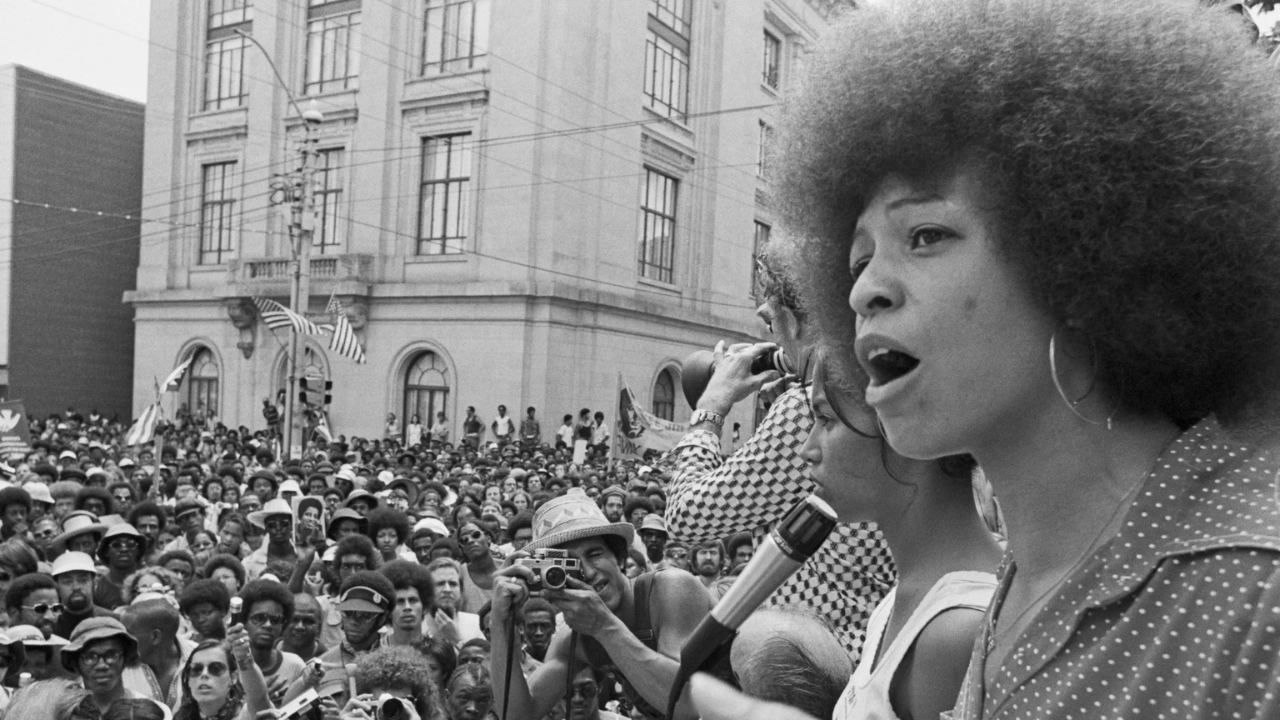
African American women shaped the direction of the Civil Rights Movement through courage, strategy, and constant dedication. A strong legacy created by these women continues to influence modern activism, education, and leadership. A short introduction paragraph highlights how their voices changed national conversations and built pathways for justice.
Strong leadership appeared in community organizing, legal battles, and national campaigns.
Strategic planning guided marches, boycotts, and social movements.
Educational influence allowed many women to teach history, culture, and equality.
Cultural preservation protects stories, traditions, and identities.
Fearless activism challenged unfair laws and discrimination.
Community strength improved lives through health, education, and rights advocacy.
Major Figures Who Transformed African American Civil Rights
Rosa Parks sparked the Montgomery Bus Boycott through a courageous act.
Ella Baker built grassroots movements and community networks.
Fannie Lou Hamer fought for voting rights and political representation.
Dorothy Height became a national leader for women’s rights and social justice.
Septima Clark empowered communities through citizenship schools.
Diane Nash led sit-ins and played a central role in the Freedom Rides.
Leading Women and Their Primary Contributions
Name
Key Contribution
Notable Actions
Rosa Parks
Bus segregation challenge
Montgomery Bus Boycott leadership
Ella Baker
Grassroots organizing
Support for SNCC and community networks
Fannie Lou Hamer
Voting rights activism
Work with Mississippi Freedom Democratic Party
Dorothy Height
Gender and racial equality
National Council of Negro Women’s leadership
Diane Nash
Student-led activism
Sit-ins and Freedom Rides coordination
Septima Clark
Education and citizenship
Literacy programs and empowerment schools
Rosa Parks: Courage That Sparked a Movement
Community dedication guided her long history of NAACP work.
Strong refusal to surrender her seat turned into a national symbol of resistance.
Boycott leadership helped inspire thousands to stand for equality.
Partnership with local activists strengthened the impact of the movement.
Long-term advocacy extended far beyond one event.
Ella Baker: Builder of Grassroots Power
Organizing strength shaped student-led activism during the 1960s.
Belief in group-centered leadership empowered young voices rather than focusing on single leaders.
Creation of support structures helped communities stay active and informed.
Guidance for SNCC members influenced major civil rights campaigns.
A long career in activism supported multiple generations.
Fannie Lou Hamer: Voice for the Voter
Powerful testimony shared her experiences with discrimination and violence.
Advocacy for rural communities gave visibility to issues often ignored.
Participation in the Mississippi Freedom Democratic Party demanded fair political representation.
Focus on economic security guided her community projects.
National influence inspired leaders and ordinary citizens alike.
Major Barriers and Their Impact
Barrier
Impact on Activism
Gender discrimination
Reduced recognition of contributions
Economic limitations
Restricted travel and organizational support
Threats and violence
Physical danger during protests
Limited legal protection
Increased vulnerability to arrests
Social pressure
Resistance from segregated communities
Dorothy Height: Advocate for Women and Families
Long-term leadership came from decades of organizing for fairness.
Her role in national organizations allowed her to coordinate activism across the U.S.
Focusing on health, education, and employment gave communities new opportunities.
Quiet but powerful presence earned her respect from presidents, activists, and scholars.
Commitment to unity strengthened diverse movements for equality.
Diane Nash: Student Leadership That Changed History
Planning ability ensured successful sit-ins and marches.
College activism showed the power of young organizers.
Calm decision-making shaped the direction of the Freedom Rides.
Cooperation with major leaders helped unify civil rights efforts.
Focus on nonviolence became a guiding principle of her work.
Septima Clark: Education as a Path to Freedom
Citizenship schools taught literacy, rights, and political participation.
Community empowerment encouraged people to register to vote.
Training programs created strong local leaders.
A long teaching career helped preserve history and identity.
Support for women activists created spaces for growth and leadership.
Community Roles of African American Women
Church leadership helped organize meetings, safe houses, and marches.
Education roles strengthened youth knowledge and confidence.
Cultural work protected stories of freedom, struggle, and resilience.
Family guidance encouraged children to value equality and justice.
Local activism connected neighborhood issues with national movements.
Fundraising support helped sustain long campaigns.
Legacy Areas and Lasting Influence
Legacy Area
Description
Voting Rights
Landmark laws shaped through activism
Education Access
Improved opportunities for future generations
Women’s Leadership
Greater representation in national movements
Cultural Preservation
Protection of African American heritage
Community Organizing
Stronger local networks across the country
Modern Influence of Their Work
Youth programs draw inspiration from earlier women leaders.
Voting advocacy groups continue Hamer’s mission.
Training in nonviolent protest reflects Nash’s guidance.
Women’s organizations follow pathways established by Dorothy Height.
Grassroots groups rely on strategies created by Ella Baker.
Educational programs use Clark’s model to empower new generations.
Key Takeaways
A powerful legacy created by African American women continues to guide the pursuit of justice, equity, and dignity in the United States. A short conclusion paragraph highlights how their courage, wisdom, and leadership still shape national conversations, community activism, and cultural preservation. A long history of dedication ensures that their influence remains strong for future generations.