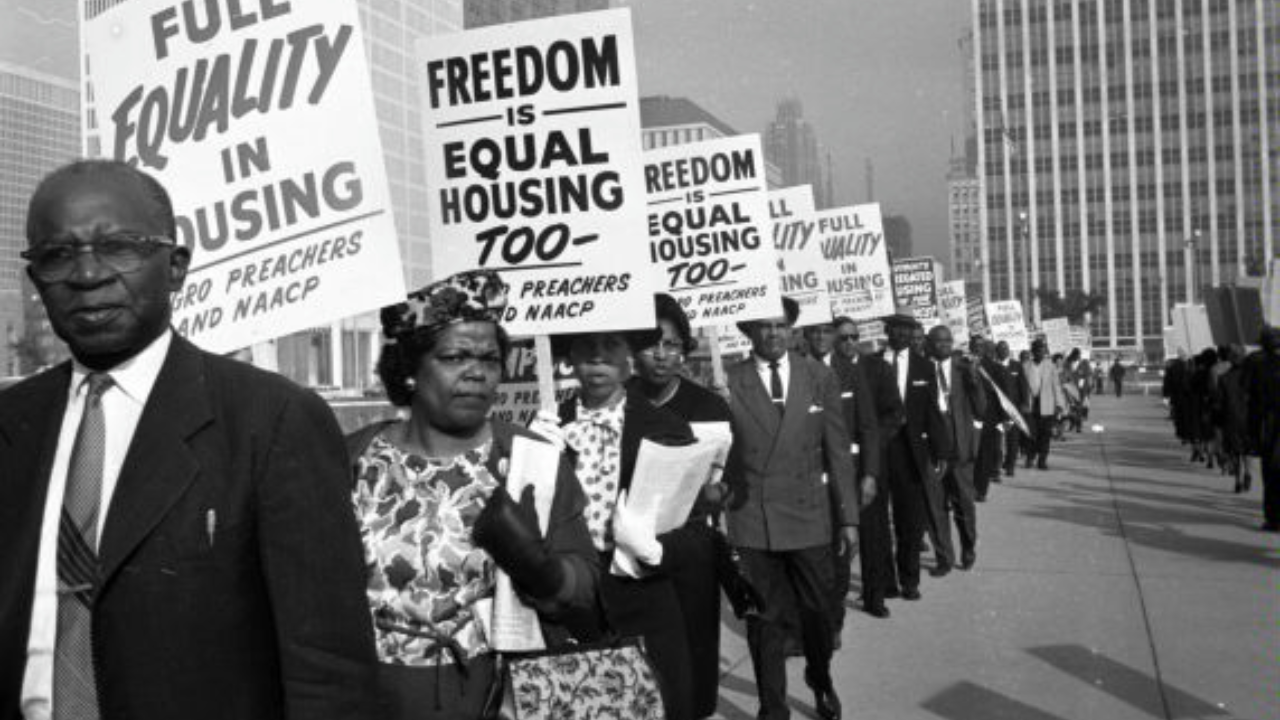
Housing equality forms a major part of social justice in the United States, and the fight against discrimination continues through laws, community action, and national programs. A clear understanding of past challenges and current solutions helps communities protect their rights and build fairer living conditions. A short introduction paragraph sets the context for how the nation works to prevent exclusion and support equal access for everyone.
Racial bias affects whether families can rent or purchase homes in many areas.
Income inequality makes it difficult for low-income households to enter stable neighborhoods.
Lending discrimination continues to impact mortgage approvals and interest rates.
Zoning restrictions shape who can live where and limit affordable housing options.
Rental barriers appear when landlords refuse tenants based on unfair reasons.
Access to services becomes uneven when communities lack transportation, schools, or healthcare.
Key Laws Supporting Fair Housing
The Fair Housing Act of 1968 stands as the most important tool for combating discrimination.
The Civil Rights Act of 1964 strengthened protections against exclusion.
Americans with Disabilities Act (ADA) ensures accessibility in housing and public spaces.
The Housing and Community Development Act supports low-income housing programs.
The Equal Credit Opportunity Act prevents bias in lending and financial decisions.
State-level fair housing laws provide additional protections beyond federal rules.
Major Fair Housing Laws and Their Focus Areas
Law Name
Main Protection Area
Covered Groups
Fair Housing Act (1968)
Anti-discrimination in housing
Race, religion, sex, national origin, disability, family status
Civil Rights Act (1964)
Equal treatment in public life
All protected classes
ADA (1990)
Accessibility and accommodation
Individuals with disabilities
Housing & Community Development Act
Affordable housing support
Low-income families
Equal Credit Opportunity Act
Fair lending and credit
All applicants
Major Forms of Housing Discrimination
Refusal to rent or sell when qualified applicants apply.
Different rental terms based on race or background.
Mortgage redlining that denies loans to certain neighborhoods.
Predatory lending that targets vulnerable families with harmful contract terms.
Harassment toward tenants who request repairs or assert rights.
Evictions are used unfairly to remove protected individuals.
Community Efforts That Strengthen Fair Housing
Local advocacy groups educate residents about their rights.
Legal aid offices provide free assistance for unfair eviction and discrimination cases.
Neighborhood associations work to promote inclusion and eliminate bias.
Tenant unions help renters negotiate stable agreements.
Faith-based organizations offer support for low-income families seeking homes.
University-led research teams study housing patterns and highlight inequalities.
Government Agencies That Enforce Fair Housing Rules
U.S. Department of Housing and Urban Development (HUD) investigates discrimination complaints.
The Department of Justice (DOJ) handles complex legal cases involving civil rights.
Local housing authorities manage affordable housing programs.
State human rights commissions track violations and issue penalties.
Consumer Financial Protection Bureau (CFPB) oversees lending practices.
Public housing agencies guide residents through rental processes.
Agencies Involved in Fair Housing Enforcement
Agency
Main Role
HUD
Investigates housing discrimination cases
DOJ
Manages legal actions and prosecutions
State Commissions
Enforces state-level fair housing laws
CFPB
Monitors lenders and credit institutions
Local Housing Authorities
Maintain community housing access
Modern Strategies to Fight Housing Discrimination
Testing programs send trained individuals to check for unequal treatment.
Data tracking systems analyze rental patterns and lending decisions.
Community outreach events inform families about their legal rights.
Public reporting tools help victims file complaints easily.
Affordable housing funds support the construction of mixed-income neighborhoods.
Education campaigns raise awareness among landlords and real estate professionals.
Role of Technology in Fair Housing
Online tools help tenants compare rents and detect unfair changes.
Digital complaint platforms simplify the process of reporting discrimination.
Mapping software identifies regions with unequal housing patterns.
AI-based fairness checks help lenders avoid bias in loan decisions.
Virtual training programs teach real estate workers about compliance.
Mobile apps connect residents with legal resources quickly.
Groups Most Affected by Housing Discrimination
African American communities continue to face obstacles in certain markets.
Latino families encounter language barriers and inconsistent rental practices.
Indigenous groups struggle with land access and infrastructure.
Immigrant households face unfair documentation demands.
Single mothers experience higher rental screening challenges.
People with disabilities face difficulties finding accessible homes.
Affected Communities and Common Challenges
Group
Challenge
African American families
Redlining and unequal rental treatment
Latino households
Language barriers and documentation issues
People with disabilities
Lack of accessible housing
Immigrant communities
Unfair requirements and bias
Low-income families
Limited affordable housing options
Community Success Stories Across the U.S.
Local lawsuits forced discriminatory landlords to change policies.
Inclusive development projects created mixed-income neighborhoods.
Affordable housing coalitions expanded support in major cities.
Grassroots movements influenced policy changes in states like California and New York.
Tenant protections grew stronger through new laws in several states.
Historic neighborhoods gained preservation and rehabilitation funds.
Education as a Cornerstone of Fair Housing Progress
Workshops teach residents how to identify and report discrimination.
School programs help young people understand civil rights history.
Public library sessions host community discussions about housing rights.
University classes research the long-term effects of segregation.
Language-access programs help immigrants navigate the housing market.
Online materials guide tenants through the complaint process.
Looking Ahead
A strong network of laws, agencies, and community groups continues to shape the fight against housing discrimination across the United States. A short conclusion paragraph emphasizes how education, enforcement, and public awareness help protect equal access to homes. A national commitment to fairness ensures that families can pursue safety, stability, and opportunity without facing bias.