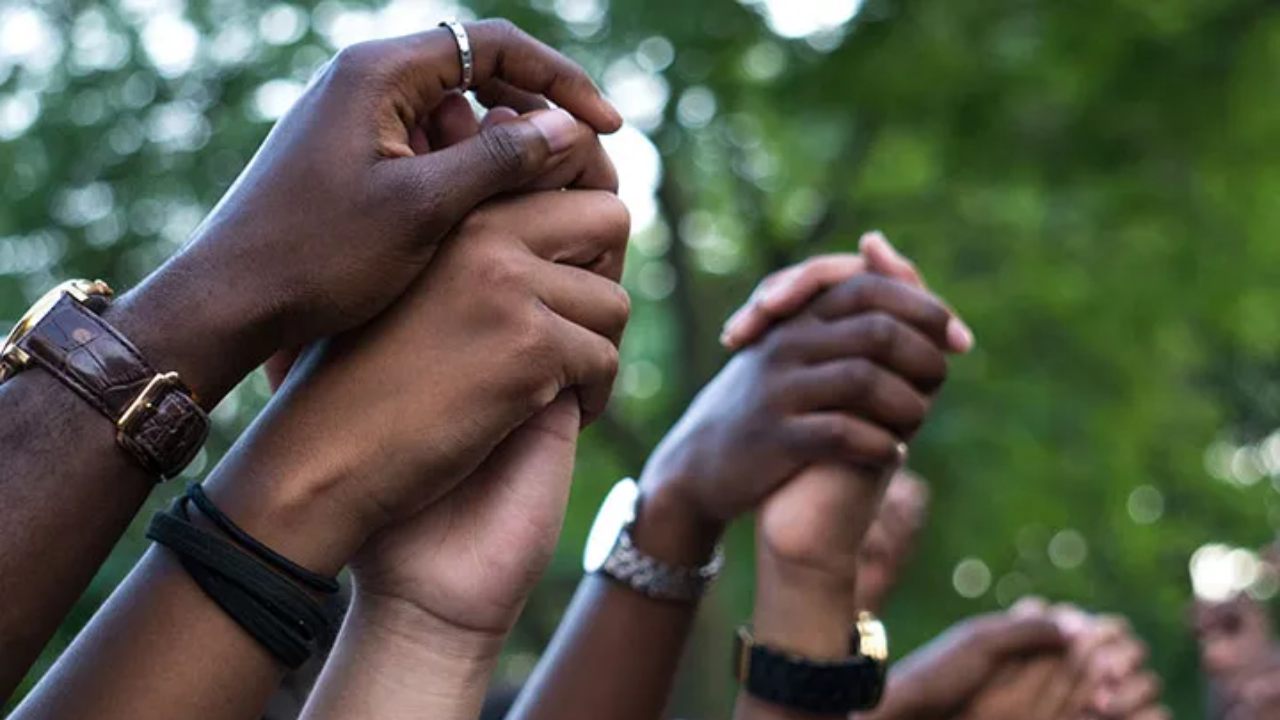
A strong community voice forms the foundation of political transformation in many parts of the United States. Grassroots action rises from people who experience challenges firsthand and who decide to work together for solutions. Community participation creates pressure, builds awareness, and influences leaders to consider the needs of ordinary citizens. Political change becomes more meaningful when it reflects voices from neighborhoods rather than directives from powerful institutions.
Use data-based reports to strengthen reform arguments.
Outreach Barriers
Provide multilingual and accessible communication.
Grassroots Leadership Development
Mentorship programs train emerging leaders.
Youth workshops build confidence for future roles.
Public speaking sessions improve communication skills.
Planning committees give residents practical experience.
Intergenerational cooperation blends experience with creativity.
Regional Differences in Grassroots Organizing
Urban communities rely on dense networks for rapid mobilization.
Rural regions use strong interpersonal relationships for organizing.
Southern states draw energy from faith-based traditions.
Midwestern coalitions emphasize labor rights and economic justice.
Coastal areas prioritize housing, climate resilience, and social equity.
Nationwide Impact of Grassroots Activism
Large awareness campaigns reshape national narratives.
Local initiatives grow into national alliances.
Community proposals become models for larger policy frameworks.
Federal leaders adopt ideas tested at the local level.
Long-term advocacy shifts cultural attitudes across generations.
Community Institutions Supporting Grassroots Action
Institution
Role in Political Change
Churches and Faith Centers
Provide meeting spaces, resources, and moral guidance.
Youth Centers
Develop early civic engagement and leadership skills.
Neighborhood Associations
Coordinate local concerns and collective action.
Cultural Organizations
Preserve identity while strengthening community voice.
Local Nonprofits
Offer professional support, training, and organizing tools.
The Bottom Line
A strong conclusion highlights the long-lasting impact of grassroots action on American political life. Community voices reshape policies, challenge inequality, and inspire leaders to respond to genuine public needs. Neighborhood involvement transforms frustration into organized power, proving that meaningful political change often begins with everyday people working together for fairness and justice.