Cyberbullying and Racial Harassment: Protecting Youth Online

A growing digital environment has created new spaces for young people to learn, communicate, and express themselves. A rising wave of social media use, online classrooms, and digital communities has also opened the door to cyberbullying and racially targeted harassment that affects emotional well-being and academic progress. A strong need for awareness, safeguards, and supportive systems has become essential as youth navigate an increasingly connected world.

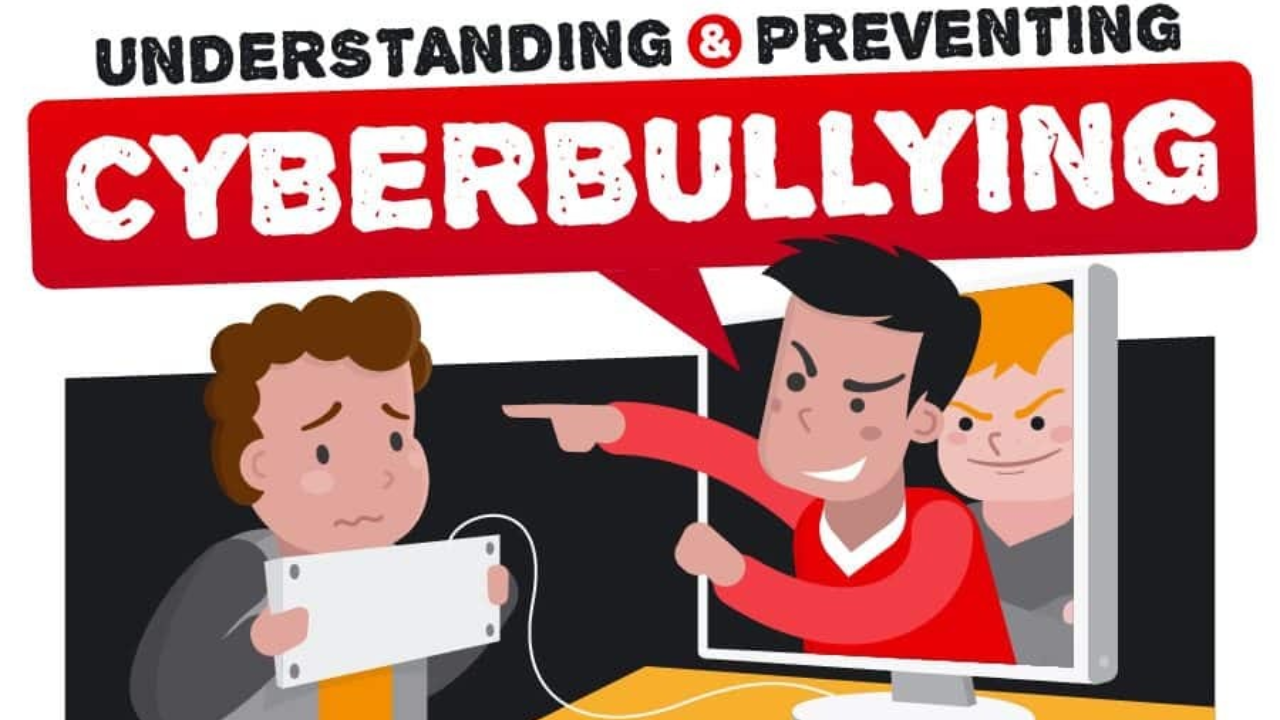
Understanding the Nature of Cyberbullying

  • Online harassment occurs through social media, messaging apps, gaming platforms, and school portals
  • Anonymous accounts make harmful behavior easier to hide
  • Persistent messages create long-term stress and anxiety
  • Viral posts spread negativity far beyond a single peer group
  • Screenshots and reposts make harmful content difficult to erase

Racial Harassment in Digital Spaces

  • Racial slurs and stereotypes appear in comment sections and private chats
  • Targeted attacks often focus on cultural identity, language, or appearance
  • Students of color may face exclusion from online groups or team projects
  • Hate symbols and coded language circulate widely among youth
  • Online spaces can reinforce existing offline discrimination

Common Forms of Cyberbullying and Racial Harassment

Type of BehaviorExamples
Direct HarassmentInsults, threats, racial slurs, targeted attacks
Social ExclusionRemoval from group chats, blocked participation in online games
ImpersonationFake accounts spreading harmful or racist content
Public ShamingEmbarrassing photos, edited images, or racist memes shared widely
Persistent MessagingContinuous negative comments or repeat tagging of a victim

Psychological Impact on Youth

  • Emotional distress weakens concentration and school performance
  • Repeated harassment lowers self-esteem and confidence
  • Feelings of isolation increase when students hide their online experiences
  • Anxiety and depression become more common among targeted youth
  • Academic performance may decline due to fear of digital interactions

Impact on Family and Social Relationships

  • Parents may struggle to understand their child’s digital world
  • Friendship circles shift after public online incidents
  • Trust decreases between peers after repeated conflicts
  • Family stress grows when harassment escalates or becomes public

Effects of Online Harassment on Student Life

Impact AreaEffects on Youth
Emotional HealthStress, anxiety, fear, and shame
Academic ProgressDifficulty focusing, lowered grades, missed classes
Social DevelopmentLoss of friendships, withdrawal from activities
Family DynamicsTension, confusion, and concern among caregivers

Protective Measures for Youth

  • Digital safety lessons teach students how to respond to harmful behavior
  • Clear school policies outline consequences for cyberbullying
  • Reporting systems allow victims to document incidents securely
  • Counseling services support emotional recovery
  • Peer leadership programs encourage positive online behavior

Role of Schools in Addressing Online Harassment

  • Technology guidelines help students use devices responsibly
  • Teachers monitor online class chats for inappropriate behavior
  • School districts partner with experts to design prevention programs
  • Parent workshops explain how to recognize warning signs

School-Based Strategies for Prevention

StrategyKey Components
Policy DevelopmentClear consequences, non-discrimination rules, online conduct codes
Student EducationDigital citizenship lessons, anti-racism workshops, and peer dialogues
Reporting ToolsAnonymous portals, teacher reporting channels, digital evidence logs
Counseling SupportOn-site counselors, crisis response teams, restorative programs

Responsibilities of Tech Platforms

  • Moderation tools filter harmful language and hate symbols
  • Reporting functions allow users to flag abusive content
  • Safety settings give youth control over who can contact them
  • Privacy protections limit data exposure to strangers
  • Algorithm adjustments can reduce the spread of harmful posts

Challenges in Platform Enforcement

  • Automated systems often fail to detect coded racist language
  • Content spreads faster than moderators can remove it
  • Youth create backup accounts after suspensions
  • Cross-platform harassment makes tracking offenders difficult

Platform-Level Challenges and Needs

IssueRequired Improvement
Detection of Hate ContentBetter AI accuracy, stronger context recognition
Response TimeFaster removal of harmful posts and accounts
Youth PrivacyStronger protections for minors’ data and interactions
Cross-Platform BehaviorCoordinated solutions between major platforms

Community and Family Roles in Protection

  • Open conversations help children discuss difficult digital experiences
  • Cultural awareness programs teach respect and understanding
  • Parent monitoring tools track suspicious messages or app activity
  • Community organizations offer workshops on digital safety
  • Mentorship programs build supportive relationships for at-risk youth

Empowering Youth Through Education

  • Media literacy skills help students identify racist or harmful content
  • Conflict-resolution training supports positive online interactions
  • Leadership activities encourage responsible digital citizenship
  • Student-led campaigns raise awareness in local schools and communities

Future Priorities for Safer Digital Spaces

  • Stronger national standards for online safety and anti-harassment protections
  • Clearer rules for AI use in content moderation
  • Broader mental health support for young victims of online abuse
  • Increased equity in digital access to ensure all students benefit from safe technology
  • Ongoing collaboration between schools, families, tech companies, and youth leaders

Final Analysis

A changing digital world has increased both opportunities and risks for young people, especially those facing cyberbullying and racial harassment. A unified effort involving families, schools, communities, and technology platforms can create stronger protections and healthier online environments. A continued commitment to fairness, safety, and digital responsibility will help ensure that youth experience the internet as a space of learning rather than harm.

Leave a Comment