
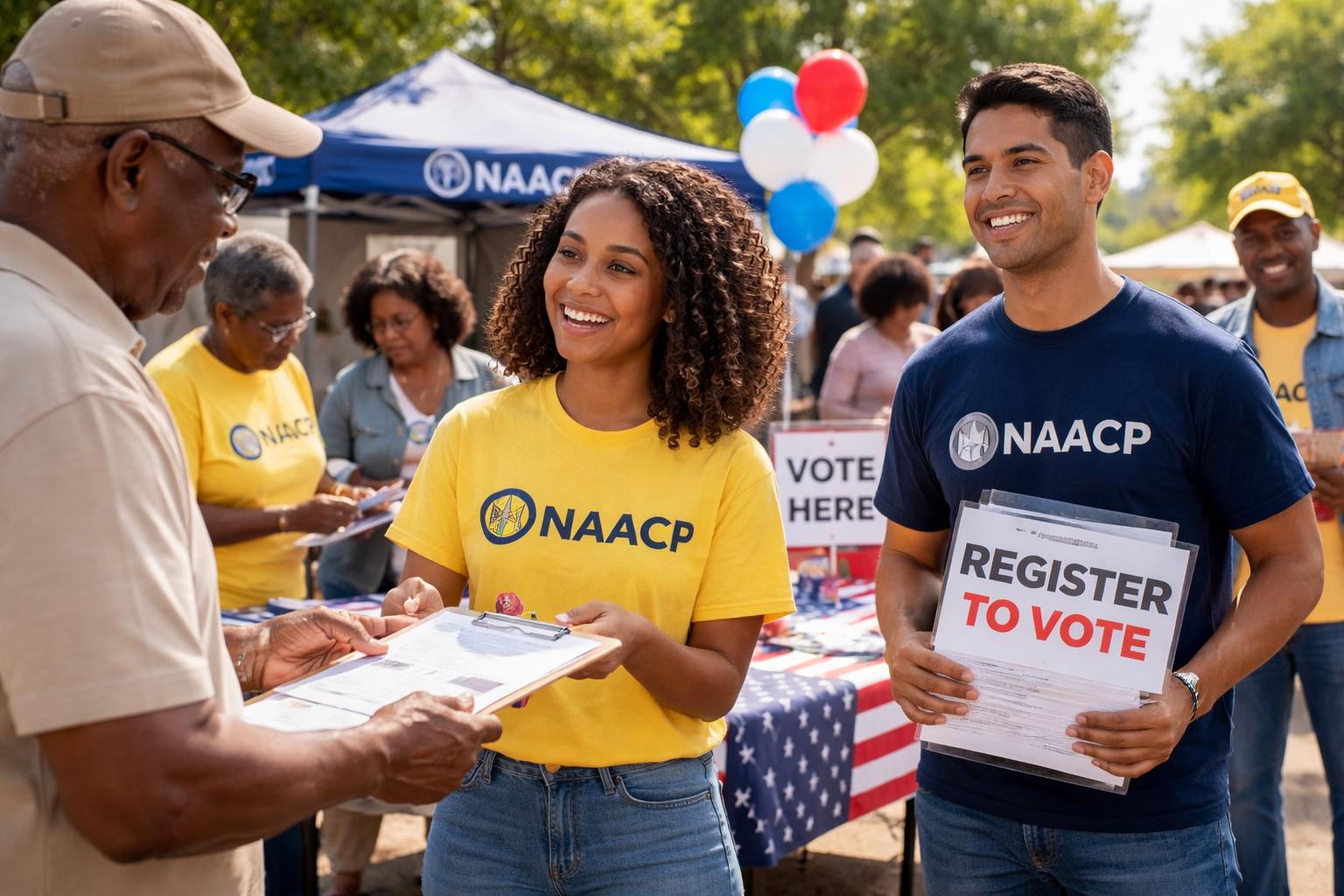
The fight for voting rights in the United States has been deeply shaped by organizations committed to equality and justice. Among the most influential is the National Association for the Advancement of Colored People, which has played a central role in expanding democratic participation for marginalized communities. Through legal advocacy, grassroots mobilization, and policy reform, the NAACP has worked to ensure that every citizen has access to the ballot.
Voting rights are fundamental to a functioning democracy, yet barriers such as discrimination, restrictive laws, and systemic inequality have historically limited access for many groups. The NAACP’s efforts have addressed these challenges by promoting fairness, accountability, and inclusion, strengthening the democratic process over time.
Rights Overview
Voting rights advocacy involves protecting access to elections, ensuring fair representation, and preventing discrimination. The NAACP has consistently focused on these areas, recognizing that political participation is essential for achieving broader social and economic equality.
The organization’s work spans multiple strategies, including litigation, public education, and legislative advocacy. By addressing both immediate barriers and long-term systemic issues, the NAACP has contributed to meaningful progress in voting rights.
Overview Of Voting Rights Efforts
| Area | Description |
|---|---|
| Legal Action | Challenging discriminatory laws in court |
| Voter Education | Informing citizens about their rights |
| Policy Advocacy | Promoting fair and inclusive legislation |
| Community Outreach | Encouraging voter participation |
| Election Protection | Monitoring and preventing voter suppression |
Historical Role
The NAACP has been instrumental in key moments of voting rights history. Its legal efforts contributed to landmark cases such as Shelby County v. Holder, which reshaped federal oversight of voting laws. While the decision weakened certain protections, it also highlighted the ongoing need for vigilance and advocacy.
Earlier efforts by the organization helped challenge discriminatory practices such as literacy tests and poll taxes. These victories laid the foundation for broader reforms, including the Voting Rights Act of 1965, which significantly expanded access to the ballot.
Legal Strategies
- Filing lawsuits to challenge voter suppression laws
- Advocating for fair redistricting processes
- Protecting minority voting rights in court
- Partnering with legal organizations for impact litigation
- Monitoring compliance with voting regulations
Legal action remains one of the NAACP’s most powerful tools. By addressing discriminatory practices through the courts, the organization ensures that constitutional protections are upheld.
Grassroots Efforts
Grassroots organizing is essential for increasing voter participation. The NAACP works directly with communities to raise awareness, provide resources, and encourage civic engagement. These efforts help empower individuals to exercise their right to vote.
Community-based initiatives often focus on registration drives, educational campaigns, and local partnerships. By building trust and fostering participation, the NAACP strengthens democratic engagement at the grassroots level.
Policy Advocacy
- Supporting legislation that expands voting access
- Opposing restrictive voter ID laws
- Advocating for early voting and mail-in ballots
- Promoting equitable election policies
- Engaging with policymakers to influence reform
Policy advocacy allows the NAACP to address systemic issues at a broader level. By influencing legislation, the organization helps create a more inclusive and accessible electoral system.
Modern Challenges
Despite progress, significant challenges remain in protecting voting rights. Issues such as voter ID requirements, limited polling locations, and changes to election laws continue to affect marginalized communities. These barriers can reduce participation and undermine democratic representation.
The NAACP continues to adapt its strategies to address these challenges. By combining legal action with public advocacy, the organization works to ensure that voting rights remain protected in a changing political landscape.
Community Impact
The impact of the NAACP’s work extends beyond elections. By promoting civic engagement, the organization empowers communities to advocate for their interests and influence policy decisions. Increased voter participation leads to more representative governance and stronger democratic institutions.
Educational initiatives also play a key role. By informing citizens about their rights and the voting process, the NAACP helps reduce barriers to participation and fosters a culture of civic responsibility.
Future Outlook
- Expansion of digital voter education tools
- Increased focus on youth engagement
- Strengthening election security measures
- Continued legal challenges to discriminatory laws
- Greater collaboration with community organizations
Looking ahead, the NAACP is likely to continue evolving its approach to meet new challenges. Technological advancements and changing demographics will shape future strategies for protecting voting rights.
Closing Perspectives
The NAACP’s efforts to advance voting rights have been crucial in strengthening democracy in marginalized communities. Through legal action, grassroots organizing, and policy advocacy, the organization has helped expand access to the ballot and promote equality.
As challenges persist, continued commitment to voting rights remains essential. The work of the NAACP demonstrates that protecting democratic participation is an ongoing process, requiring vigilance, innovation, and collective action.