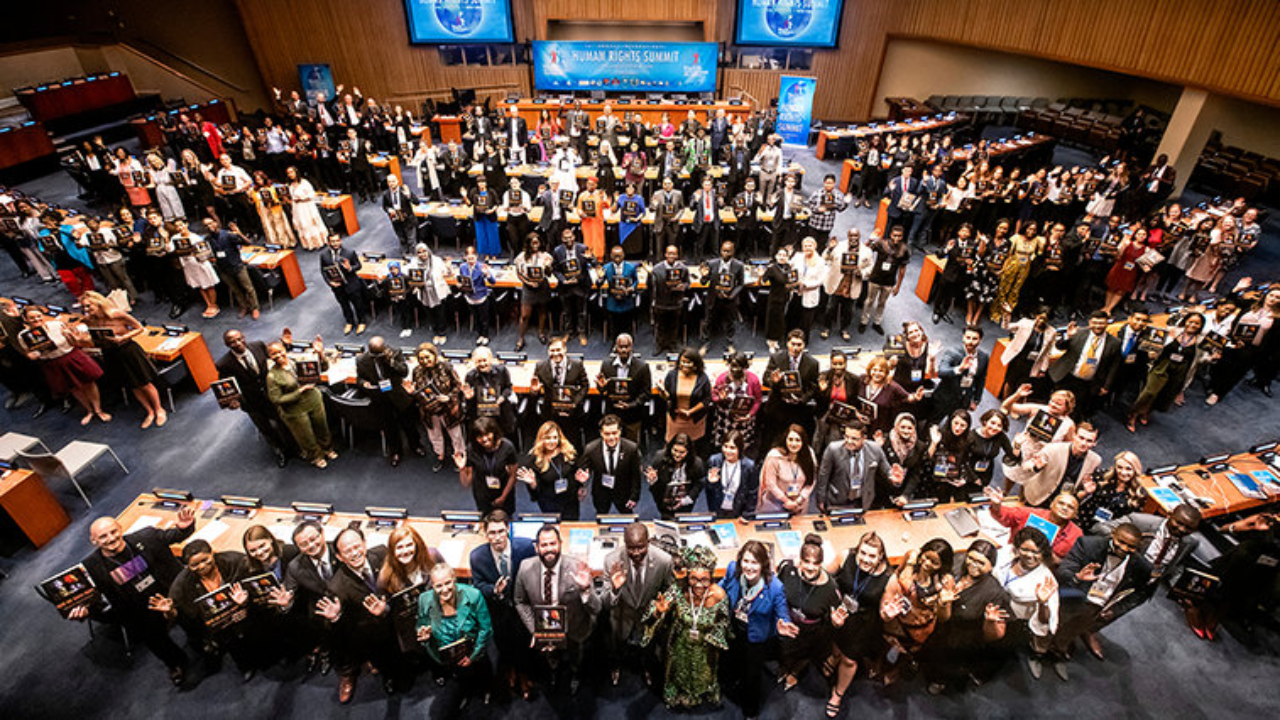
A strong commitment to justice shapes the identity of the United States, and annual civil rights events highlight this commitment through learning, dialogue, and action. A wide range of gatherings brings activists, scholars, students, and community leaders together to share strategies, celebrate achievements, and examine ongoing challenges. A short introduction paragraph sets the foundation for what these events represent, and this article explores the purpose, structure, and impact of the most influential civil rights conferences across the country.
Major Themes Highlighted in Civil Rights Events
- Protection of voting rights remains a central priority for many annual conferences.
- Racial equality forms the foundation of discussions, workshops, and panels.
- Police accountability receives strong attention, especially after national incidents that shape public debate.
- Educational equity emerges as a recurring topic for educators, students, and community groups.
- Health disparities often appear in sessions focusing on marginalized communities.
- Youth empowerment takes center stage in several conferences designed for students and young activists.
Why Annual Events Hold Importance
- National visibility strengthens conversations about justice and reform.
- Community participation gives local groups a clear voice in national issues.
- Policy discussions allow advocates to propose solutions and influence lawmakers.
- Networking opportunities build long-term partnerships.
- Leadership training helps young participants take active roles in their communities.
- Historical preservation ensures that past movements continue inspiring future progress.
Key Annual Civil Rights Conferences in the U.S.
- NAACP National Convention brings thousands of members together every year.
- National Action Network Convention addresses topics like policing, education, and social equity.
- National Civil Rights Conference in Mississippi honors the legacy of the Civil Rights Movement.
- The Congressional Black Caucus Annual Legislative Conference focuses on legislative and policy reform.
- Martin Luther King Jr. Day Celebrations involve marches, lectures, and community service nationwide.
- The United States Hispanic Leadership Institute Conference highlights civil rights issues relevant to Hispanic communities.
NAACP National Convention: Central Focus and Activities
- Policy discussions address issues affecting African American communities.
- Youth programs guide young leaders in activism and professional development.
- Cultural showcases highlight historical expression through art, music, and storytelling.
- Training workshops support participants in campaign development and community organizing.
- State-level representation encourages delegates from across the country to contribute.
Key Features of Major Civil Rights Conferences
| Event Name | Main Focus Area | Type of Activities | Frequency |
|---|---|---|---|
| NAACP National Convention | Voting rights, education, racial justice | Panels, workshops, youth forums | Annual |
| National Action Network Convention | Policing reform, equity, community justice | Speeches, policy talks, training | Annual |
| National Civil Rights Conference (MS) | Civil Rights history, community uplift | Lectures, historical tours | Annual |
| CBC Annual Legislative Conference | Federal policy, social welfare | Legislative sessions, town halls | Annual |
| USHLI Conference | Hispanic civil rights, education access | Leadership training, cultural events | Annual |
Educational and Youth-Oriented Civil Rights Gatherings
- Youth summits help students learn about voting, leadership, and activism.
- Scholarship programs often operate alongside conferences to encourage higher education.
- Mentorship networks link students with professionals in law, journalism, and social work.
- History workshops give young attendees a clear view of past struggles.
- Local school partnerships allow students to join events through community programs.
- Public speaking platforms prepare students to voice concerns confidently.
Community Engagement Through Annual Conferences
- Local forums amplify concerns that directly affect neighborhoods.
- Town hall meetings create spaces for open communication between communities and officials.
- Cultural exhibitions preserve the artistic and historical achievements of marginalized groups.
- Health workshops guide participants through resources and preventive care.
- Legal clinics provide free advice for communities facing unfair treatment.
- Skill development sessions teach advocacy, writing, and communication.
Community Impact of Annual Civil Rights Events
| Impact Area | Description |
|---|---|
| Advocacy Skills | Training helps community members speak up about injustices. |
| Public Awareness | Events spread knowledge about civil rights challenges. |
| Policy Input | Participants offer ideas directly to leaders. |
| Youth Support | Programs motivate and guide young activists. |
| Cultural Preservation | Exhibits protect stories and traditions. |
Role of Institutions in Annual Gatherings
- Universities often host conferences focusing on education access and historical research.
- Nonprofit organizations coordinate national events that bring multiple states together.
- Government agencies sometimes partner with events to discuss new policies.
- Museums and cultural centers organize historical panels and exhibitions.
- Faith-based institutions frequently play a role in community service events.
- Libraries support literacy-centered civil rights programs.
Regional Celebrations and Their Unique Identity
- Southern states highlight local civil rights history tied to major movement sites.
- Northern states emphasize immigrant rights, social justice, and labor equality.
- Western states often focus on Indigenous rights and multicultural inclusion.
- Midwestern states engage with economic justice and community rebuilding.
- Urban centers stress policing reform and housing rights.
- Rural areas focus on access to healthcare, voting, and education.
Cultural Heritage and Civil Rights
- Music traditions connect historical struggle with artistic expression.
- Storytelling sessions preserve oral histories that shaped modern activism.
- Historical markers keep memories of important events alive.
- Cuisine and festivals acknowledge regional heritage.
- Visual arts reflect community identity and cultural survival.
Final Thoughts
A strong civil rights tradition continues to shape the identity of the United States, and annual events help preserve this tradition through learning, advocacy, and community participation. A clear focus on history and justice strengthens public understanding while uniting people from different regions and backgrounds. A brief conclusion paragraph highlights how these annual gatherings continue to support equality and inspire future generations.