
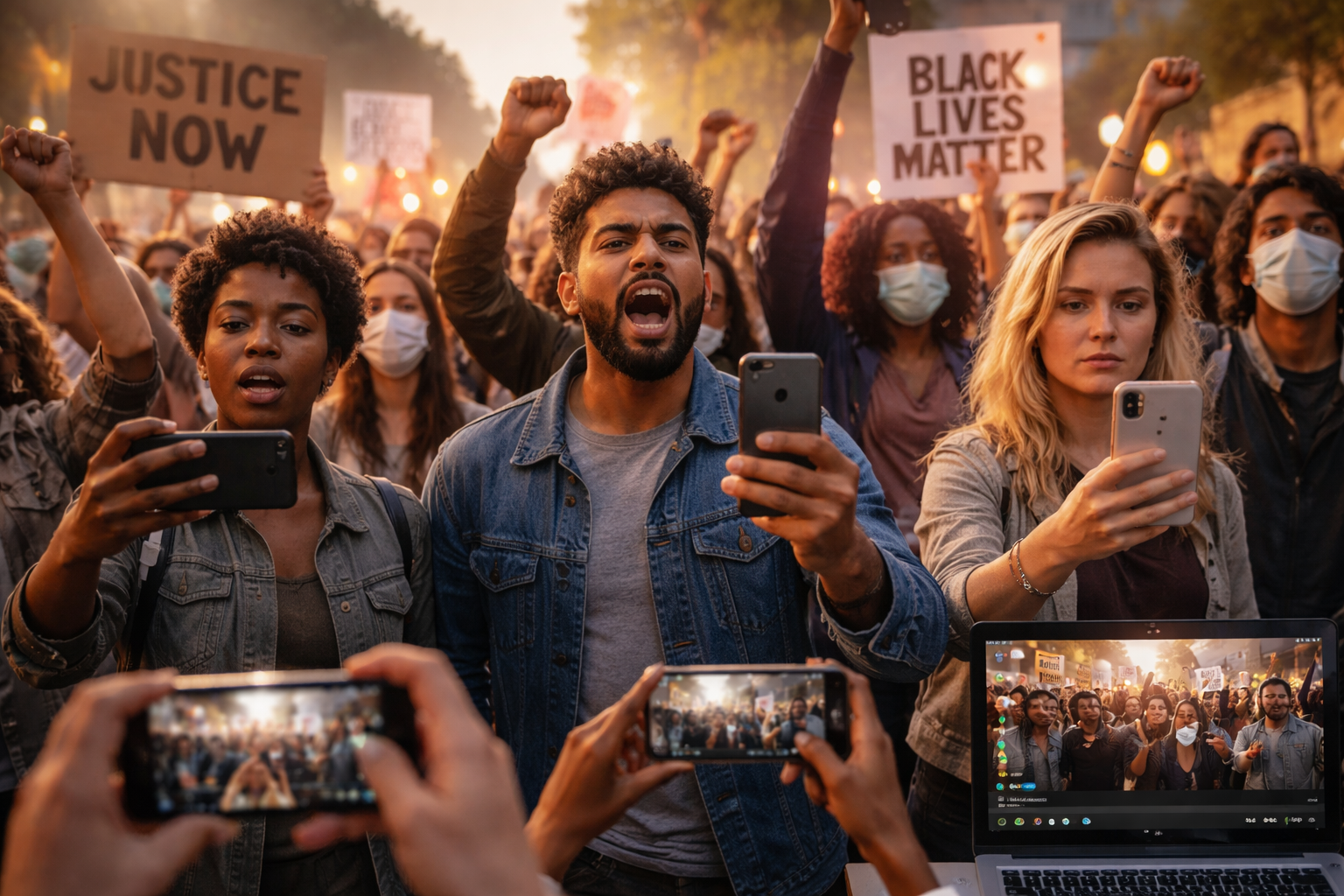
Digital technology has transformed the landscape of civil rights activism, enabling faster communication, broader participation, and global visibility. From social media platforms to data-driven campaigns, activists now have powerful tools to organize, mobilize, and advocate for change. This shift has redefined how movements emerge and sustain momentum in the modern era.
The rise of digital activism has not replaced traditional forms of protest but has expanded their reach and impact. By combining online strategies with on-the-ground efforts, civil rights movements today operate in a more interconnected and dynamic environment than ever before.
Digital Overview
Understanding the role of technology in civil rights movements requires examining the key components that drive digital activism.
Overview Of Digital Activism Elements
| Component | Description |
|---|---|
| Social Media | Platforms for communication and mobilization |
| Online Campaigns | Digital initiatives promoting causes |
| Data Analytics | Tools for understanding audience engagement |
| Mobile Technology | Devices enabling real-time participation |
| Digital Storytelling | Sharing narratives through multimedia |
| Global Connectivity | Linking movements across borders |
These elements work together to create a powerful ecosystem for modern activism. They enable movements to grow rapidly and adapt to changing circumstances.
Social Platforms
Social media platforms such as Twitter, Instagram, and Facebook have become central to digital activism. These platforms allow activists to share information, coordinate events, and engage with a wide audience in real time.
Hashtags and viral content amplify messages, making it possible for local issues to gain global attention. Social media also provides a space for marginalized voices to be heard, challenging traditional power structures in media and communication.
Movement Examples
- Black Lives Matter: Amplified through hashtags and online campaigns
- Arab Spring: Coordinated protests using digital communication
- Me Too movement: Raised awareness of sexual harassment through storytelling
- Fridays for Future: Mobilized youth activism via digital networks
These examples demonstrate how digital tools can accelerate the growth and impact of social movements. They also highlight the diversity of causes that benefit from online engagement.
Mobilization Tools
Digital activism relies on a variety of tools to organize and mobilize participants. Messaging apps, email campaigns, and online petitions enable rapid coordination and information sharing. These tools reduce barriers to participation and make it easier for individuals to get involved.
Crowdfunding platforms also support activism by providing financial resources for campaigns and initiatives. This democratization of funding allows movements to operate independently and sustain their efforts over time.
Information Spread
- Viral Content: Rapid sharing of messages across networks
- Live Streaming: Real-time coverage of events and protests
- Citizen Journalism: Individuals reporting from the ground
- Multimedia Content: Use of videos, images, and graphics
The speed and reach of digital information dissemination have transformed how news and narratives are shared. This has increased transparency and accountability but also introduced challenges related to misinformation.
Challenges Faced
Digital activism is not without its challenges. Issues such as misinformation, online harassment, and digital surveillance can hinder the effectiveness of campaigns. Activists must navigate these risks while maintaining credibility and safety.
Additionally, the digital divide limits access for some communities, preventing equal participation. Addressing these challenges is essential for ensuring that digital activism remains inclusive and effective.
Policy Influence
Governments and institutions are increasingly influenced by digital activism. Online campaigns can shape public opinion, pressure policymakers, and drive legislative change. The visibility of digital movements makes it difficult for authorities to ignore widespread demands.
However, this influence also raises questions about regulation and the balance between free expression and control. The evolving relationship between digital activism and policy continues to shape the future of civil rights.
Community Building
- Online Communities: Spaces for discussion and support
- Collaborative Networks: Partnerships across organizations
- Shared Resources: Access to information and tools
- Global Solidarity: Connections between international movements
Digital platforms enable the creation of strong and supportive communities. These networks foster collaboration and help sustain long-term activism efforts.
Ethical Concerns
Ethical considerations are critical in digital activism. Issues such as data privacy, consent, and representation must be carefully managed. Activists need to ensure that their strategies respect individual rights and cultural sensitivities.
Transparency and accountability are also important for maintaining trust within movements. Ethical practices strengthen the credibility and impact of digital activism.
Future Trends
- Artificial Intelligence: Enhancing data analysis and campaign strategies
- Blockchain Technology: Improving transparency and security
- Augmented Reality: Creating immersive activism experiences
- Decentralized Platforms: Reducing reliance on major corporations
Emerging technologies are set to further transform digital activism. These innovations will provide new opportunities for engagement and advocacy.
The Way Forward
Digital activism has fundamentally reshaped civil rights movements by expanding their reach, speed, and impact. Through the use of technology, activists can mobilize communities, influence policy, and amplify their voices on a global scale.
As technology continues to evolve, so too will the strategies and tools of activism. By addressing challenges and embracing innovation, digital movements can continue to drive meaningful change and uphold the principles of civil rights in the modern world.