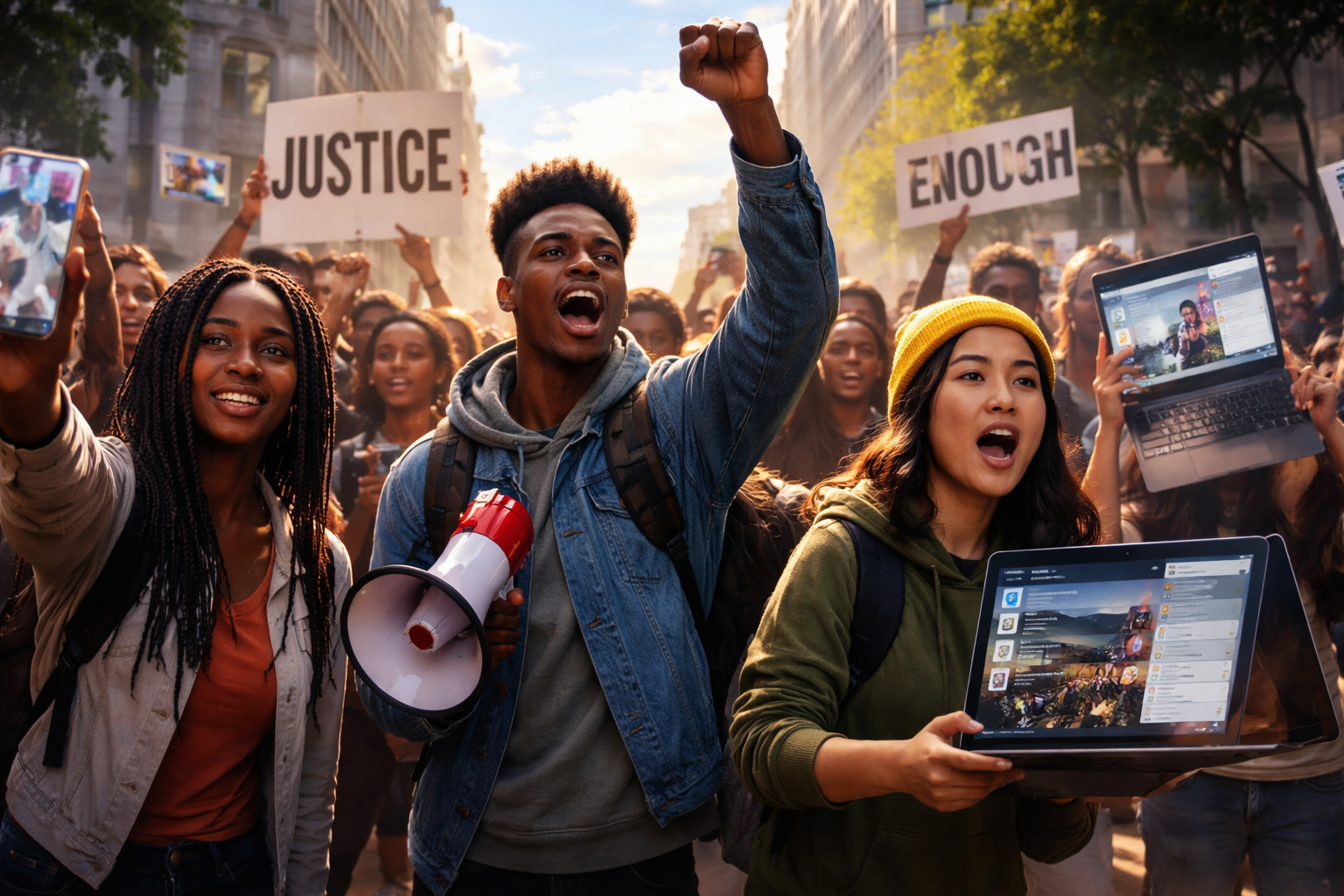
Digital platforms have transformed how civil rights movements are organized, communicated, and sustained. Today’s youth are at the forefront of this transformation, using technology to amplify voices, mobilize communities, and challenge injustice on a global scale. Social media, online campaigns, and digital storytelling have become essential tools for modern activism.
Youth leadership in digital activism reflects a shift toward more decentralized, inclusive, and fast-moving movements. With access to information and platforms, young activists can influence public opinion and drive social change more effectively than ever before. This article explores the role of digital activism and youth leadership in shaping modern civil rights movements.
Movement Overview
Digital Activism Framework
| Element | Description |
|---|---|
| Online Platforms | Social media and digital tools for outreach |
| Youth Leadership | Young individuals driving initiatives |
| Global Reach | Ability to connect across borders |
| Content Creation | Use of videos, posts, and campaigns |
| Impact Measurement | Tracking engagement and influence |
Digital Platforms
Digital platforms serve as the backbone of modern activism. Social media networks enable rapid dissemination of information, allowing movements to gain visibility and momentum quickly. Platforms provide spaces for discussion, organization, and advocacy, making them essential for civil rights efforts.
Accessibility is a key advantage of digital platforms. Anyone with internet access can participate, share content, and contribute to the movement. This inclusivity broadens participation and ensures that diverse voices are represented in activism.
Youth Leadership
Young people play a central role in driving digital activism. Their familiarity with technology and social media allows them to create innovative campaigns and connect with peers effectively. Youth-led initiatives often bring fresh perspectives and energy to civil rights movements.
Leadership among youth is often collaborative and decentralized. Instead of relying on traditional hierarchies, young activists work in networks, sharing responsibilities and ideas. This approach fosters creativity and adaptability in addressing social issues.
Content Strategies
- Creating impactful visual and video content
- Using hashtags to increase visibility
- Sharing personal stories to build emotional connection
- Collaborating with influencers and communities
Content is a powerful tool in digital activism. Well-crafted messages can capture attention, inspire action, and shape public opinion. Youth activists often use creative storytelling to make complex issues more relatable and engaging.
Consistency and authenticity are crucial in content strategies. Genuine narratives resonate more with audiences, building trust and credibility. Effective content drives engagement and encourages participation.
Global Connectivity
Digital activism transcends geographical boundaries. Movements can connect with supporters worldwide, creating a sense of global solidarity. This connectivity allows for the exchange of ideas, strategies, and support across different regions.
Global reach also amplifies the impact of local issues. By gaining international attention, movements can pressure authorities and influence policy decisions. This interconnectedness strengthens the overall effectiveness of activism.
Challenges Faced
- Spread of misinformation and fake news
- Online harassment and security risks
- Digital divide limiting access for some communities
- Platform algorithms affecting visibility
Despite its advantages, digital activism faces several challenges. Misinformation can undermine credibility, while online harassment can discourage participation. Addressing these issues is essential for sustaining effective movements.
The digital divide remains a significant barrier. Not all communities have equal access to technology, limiting their ability to participate. Efforts to bridge this gap are crucial for inclusive activism.
Impact Measurement
Measuring the impact of digital activism involves analyzing engagement metrics such as likes, shares, and comments. These indicators provide insights into how effectively messages are reaching audiences. Data-driven approaches help refine strategies and improve outcomes.
However, impact goes beyond numbers. Real-world changes, such as policy reforms or increased awareness, are key indicators of success. Combining quantitative and qualitative measures provides a comprehensive understanding of impact.
Future Trends
- Increased use of emerging technologies like AI and virtual reality
- Greater emphasis on data-driven campaigns
- Expansion of digital education for activists
- Stronger focus on online safety and ethics
The future of digital activism is shaped by technological advancements. New tools will continue to enhance communication and engagement, making activism more dynamic and effective.
Youth leadership will remain central to these developments. As technology evolves, young activists will continue to innovate and lead movements toward greater social impact.
Final Analysis
Digital activism and youth leadership have redefined modern civil rights movements. By leveraging technology, young activists are creating more inclusive, dynamic, and impactful campaigns. Their ability to connect, communicate, and mobilize has transformed how social change is achieved.
While challenges such as misinformation and access disparities persist, the potential of digital activism remains significant. With continued innovation and collaboration, youth-led digital movements will play a crucial role in shaping the future of civil rights advocacy.