
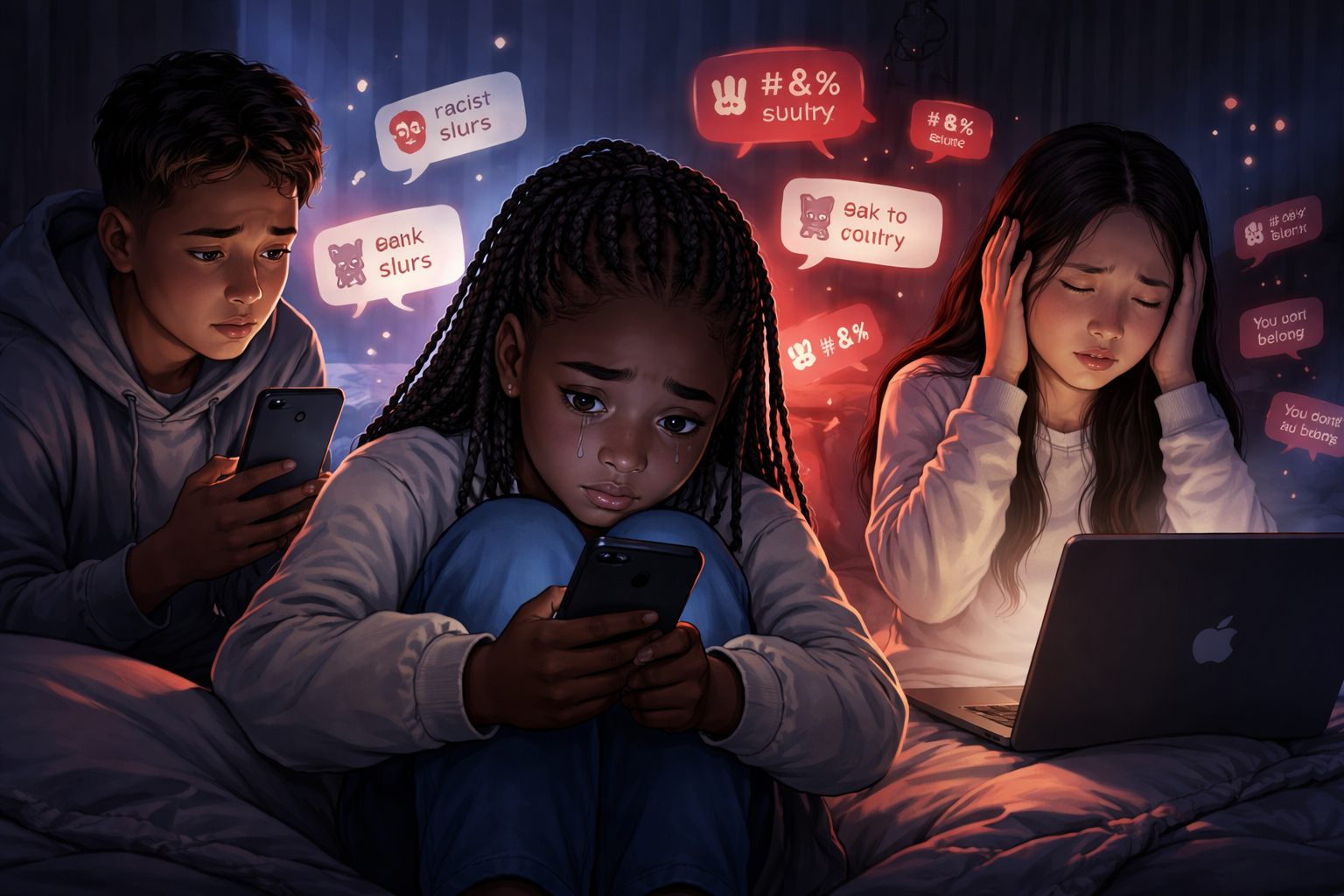
The rise of digital communication has transformed how people interact, share ideas, and build communities. However, it has also created new avenues for harmful behaviors, including hate speech targeted at minority groups. Online platforms, while offering connection and expression, often expose young individuals to discrimination, harassment, and toxic content that can deeply affect their mental well-being.
Minority youth are particularly vulnerable to digital hate speech due to their developing identities and increased reliance on online spaces for social interaction. The psychological consequences can be significant, influencing self-esteem, emotional health, and long-term development. Understanding this issue is essential for creating safer digital environments and supporting affected individuals.
Impact Overview
Overview of Digital Hate Speech and Its Effects
| Aspect | Details |
|---|---|
| Core Issue | Online hate speech targeting minority youth |
| Primary Platforms | Social media, forums, messaging apps |
| Key Effects | Anxiety, depression, low self-esteem |
| Risk Factors | Identity vulnerability and social exposure |
| Goal Response | Prevention, awareness, and mental health support |
Digital hate speech includes offensive language, threats, or discriminatory remarks aimed at individuals based on race, ethnicity, religion, gender, or other identities. Its widespread presence on online platforms makes it difficult to avoid, especially for young users.
The constant exposure to such content can lead to emotional distress and a sense of isolation. Addressing this issue requires a comprehensive understanding of its causes, effects, and possible solutions.
Psychological Effects
Digital hate speech can have severe psychological consequences for minority youth. Repeated exposure to negative messages can lead to anxiety, depression, and feelings of worthlessness. These effects are often intensified by the public nature of online interactions, where harmful content can spread rapidly.
The impact is not limited to immediate emotional responses. Long-term exposure can influence identity formation and self-perception, leading to lasting mental health challenges. Support systems and early intervention are crucial in mitigating these effects.
Common Forms
- Direct Harassment
Targeted insults or threats directed at individuals. - Group-Based Attacks
Offensive content aimed at entire communities. - Cyberbullying
Repeated harmful behavior through digital platforms. - Hate Memes
Visual content spreads stereotypes and discrimination.
These forms of hate speech vary in intensity but share a common goal of demeaning or excluding individuals. Recognizing these patterns is the first step toward addressing the problem effectively.
Vulnerability Factors
- Identity Development
Adolescents are in a critical stage of forming self-identity. - Social Dependence
Heavy reliance on online platforms for interaction. - Lack of Support
Limited access to guidance or mental health resources. - Cultural Marginalization
Existing societal inequalities increase vulnerability.
These factors make minority youth more susceptible to the negative effects of digital hate speech. Addressing these vulnerabilities requires targeted interventions and supportive environments.
Platform Role
Digital platforms play a significant role in either enabling or combating hate speech. Algorithms that prioritize engagement may inadvertently amplify harmful content, increasing its visibility and impact.
At the same time, platforms have the responsibility to implement policies and tools that detect and remove hate speech. Moderation systems, reporting mechanisms, and community guidelines are essential in creating safer online spaces.
Coping Strategies
- Emotional Support
Seeking help from family, friends, or counselors. - Digital Boundaries
Limiting exposure to harmful content. - Reporting Tools
Using platform features to report abusive behavior. - Positive Communities
Engaging in supportive online groups.
Coping strategies empower minority youth to manage the impact of digital hate speech. Building resilience and accessing support systems are key to maintaining mental well-being.
Preventive Measures
Preventing digital hate speech requires collective effort from individuals, communities, and institutions. Education plays a crucial role in promoting digital literacy and awareness about the consequences of harmful behavior.
Policies and regulations can also help reduce the spread of hate speech. Encouraging responsible online behavior and fostering inclusive environments contribute to long-term solutions.
Societal Impact
The effects of digital hate speech extend beyond individual experiences. It influences social cohesion, perpetuates discrimination, and reinforces negative stereotypes. Addressing this issue is essential for building a more inclusive and equitable society.
Efforts to combat hate speech must consider both technological and social dimensions. Collaboration between stakeholders can lead to more effective strategies and meaningful change.
Closing Reflections
Digital hate speech poses a serious challenge to the mental health and well-being of minority youth. Its psychological impact underscores the need for proactive measures, supportive environments, and responsible digital practices. By understanding the issue and working collectively, society can create safer online spaces that promote respect, inclusion, and positive engagement.
Addressing this problem is not only about reducing harm but also about empowering young individuals to thrive in a digital world. With the right strategies and support systems, it is possible to mitigate the effects of hate speech and foster a healthier, more inclusive online environment.