
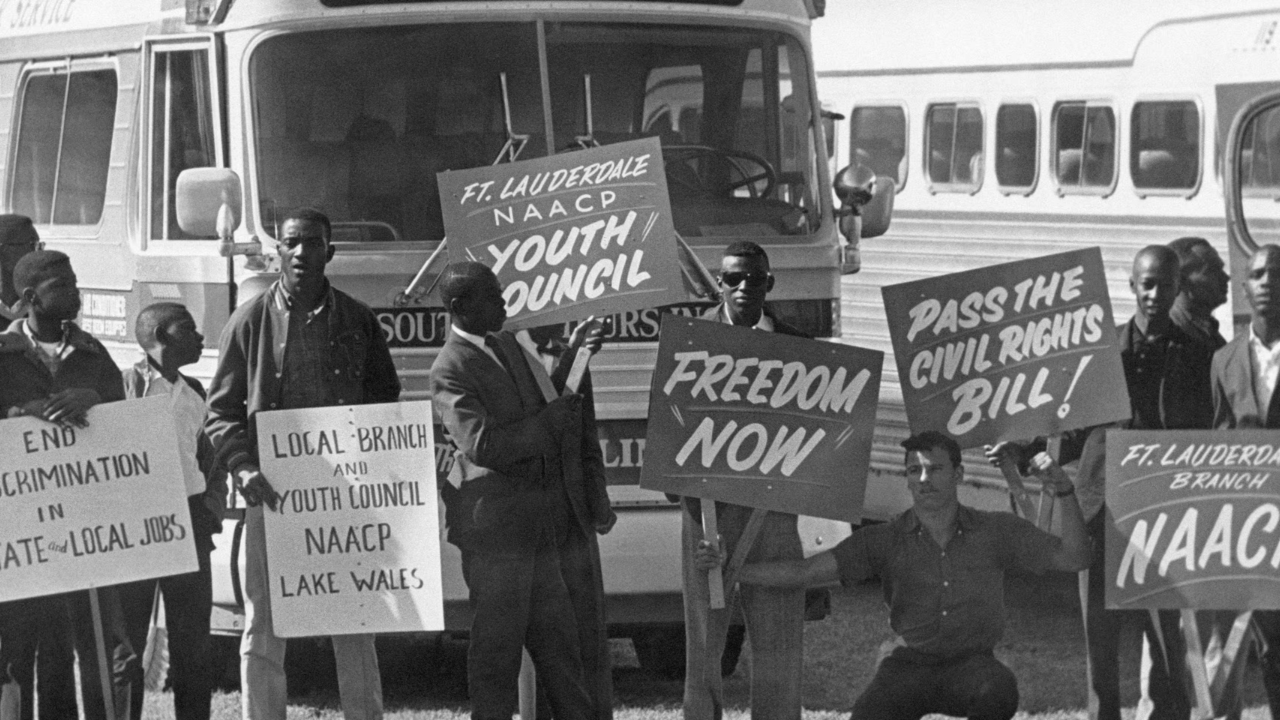
A long legacy of advocacy defines the NAACP’s role in shaping civil rights progress across the United States. A firm foundation of community leadership, legal action, and public mobilization strengthened national conversations about equality, democracy, and fair treatment. A broad movement for justice continues today because early NAACP leaders created a powerful roadmap for change.
Early Foundations of the NAACP
- The founding moment shaped a unified national response to racial violence and discrimination.
- Organizational leaders established a structure that combined legal strategy, journalism, and community engagement.
- Membership outreach created local branches that influenced statewide policies.
Key Early Developments
| Component | Explanation |
|---|---|
| Founding Year | Protection of constitutional rights for African Americans in employment, housing, voting, and public life. |
| Founding Leaders | Inclusion of Ida B. Wells, W.E.B. Du Bois, Mary White Ovington and others strengthened intellectual and grassroots direction. |
| Vision | Use of investigative journalism, public demonstrations, and legal petitions to counter discrimination. |
| Early Strategies | Use of investigative journalism, public demonstrations and legal petitions to counter discrimination. |
The NAACP’s Legal Leadership in Civil Rights
- Legal action created national precedents that dismantled unjust systems.
- Court victories addressed inequalities in education, public services, and political participation.
- Strategic litigation helped define equal protection in the Fourteenth Amendment.
Major Legal Achievements
| Component | Explanation |
|---|---|
| Brown v. Board of Education | Landmark 1954 decision ended legal segregation in public schools. |
| Smith v. Allwright | 1944 ruling ended all-white primaries, expanding Black political participation. |
| Shelley v. Kraemer | 1948 case prohibited racially restrictive covenants in housing. |
| Legal Defense Fund | Independent arm established to focus entirely on civil rights litigation and policy reform. |
Grassroots Mobilization and Community Advocacy
- Local branches created sustained pressure for equality.
- Community members contributed to voter drives, sit-ins, and educational campaigns.
- Youth councils expanded civil rights training for young activists across the nation.
Community Influence Areas
| Component | Explanation |
|---|---|
| Voter Engagement | Registration campaigns strengthened Black voter presence in local and federal elections. |
| Youth Leadership | NAACP Youth and College Division mobilized young organizers for local activism. |
| Protest Actions | Coordinated boycotts, sit-ins and marches highlighted economic and social inequalities. |
| Educational Outreach | Public awareness programs addressed discrimination in jobs, housing and healthcare. |
The NAACP and the Modern Fight Against Judicial Bias
- Judicial reform remains a major focus of the organization.
- Fair representation in the judiciary influences decisions for decades.
- Bias in the court system affects sentencing, policing, and community trust.
Judicial Reform Focus Areas
| Component | Explanation |
|---|---|
| Diverse Judiciary | Promotion of public defenders, civil rights lawyers and legal scholars for federal positions. |
| Bias Elimination | Advocacy for policies that reduce racial and economic unfairness in court outcomes. |
| Sentencing Reform | Pressure to eliminate mandatory minimums and excessive punitive practices. |
| Accountability Measures | Promotion of public defenders, civil rights lawyers, and legal scholars for federal positions. |
The NAACP’s Stand Against Mass Incarceration
- Mass incarceration shaped generations of families and communities.
- Resource allocation shifted from public programs to prisons.
- Racial inequity intensified due to disproportionate policing and sentencing of Black communities.
Mass Incarceration Reform Areas
| Component | Explanation |
|---|---|
| Sentencing Transformation | Removal of mandatory minimums for non-violent offenses to prevent unnecessary imprisonment. |
| Health Interventions | Expansion of mental health and addiction treatment as alternatives to incarceration. |
| Community Investment | Funding for education, youth programs, housing and job development to prevent criminalization. |
| Reentry Support | Funding for education, youth programs, housing, and job development to prevent criminalization. |
| Death Penalty Abolition | Continued push to eliminate capital punishment nationwide. |
Economic Justice and Civil Rights Progress
- Economic equality strengthens community stability and political power.
- Discriminatory employment and lending practices limited opportunities for decades.
- Advocacy campaigns pushed for fair wages, workplace protection, and anti-discrimination laws.
Economic Justice Efforts
| Component | Explanation |
|---|---|
| Equal Employment | Legal challenges ensured fair hiring and workplace protections. |
| Fair Housing | Campaigns promoted access to mortgages, rentals and homeownership without discrimination. |
| Consumer Protection | Advocacy targeted predatory lending and unfair financial practices. |
| Wage Advocacy | Support for policies that raise income standards for historically marginalized workers. |
The NAACP Today: Continuing the Civil Rights Mission
- Modern challenges include voting restrictions, judicial inequality, and economic instability.
- Digital advocacy expanded outreach across states.
- Local chapters remain central to protecting democracy and community well-being.
Current Priority Areas
| Component | Explanation |
|---|---|
| Voting Rights | Opposition to voter suppression laws and expansion of ballot access. |
| Criminal Justice | Focus on pollution, climate impacts, and unequal resource distribution. |
| Environmental Justice | Focus on pollution, climate impacts, and unequal resource distribution. |
| Education Equity | Work to reduce school segregation and improve funding for underserved districts. |
Summing Up
A strong tradition of activism defines the history of the NAACP and its impact on civil rights progress. A wide network of lawyers, community organizers, and youth leaders built a sustained movement for justice. A future shaped by fairness and opportunity continues because the NAACP remains committed to equity at every level of society.