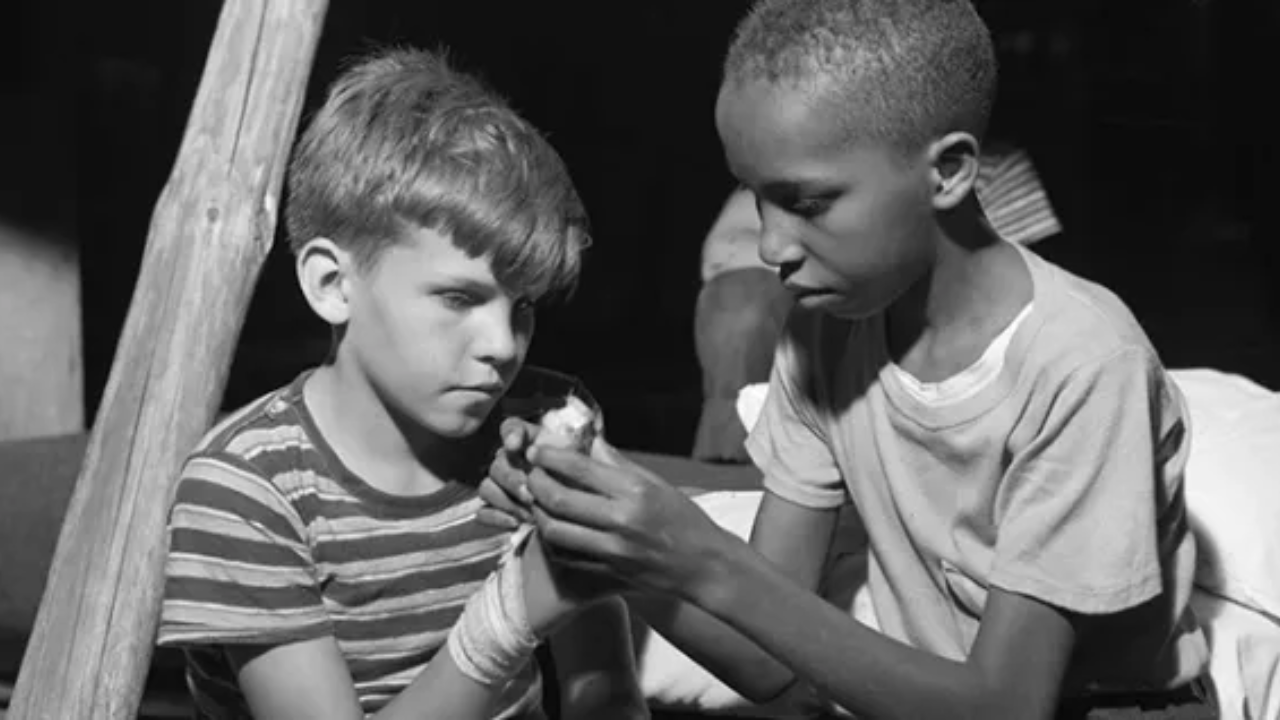
Media representation holds strong power in shaping how people think, behave, and understand different communities. Fair storytelling influences attitudes and reduces racial stereotypes that harm social harmony. Accurate representation gives people dignity, visibility, and equal space in public dialogue. Strong media inclusion strengthens social trust and helps challenge discrimination at every level of society.
Meaning of Media Representation
Media presence reflects how newspapers, films, television, digital platforms, and advertisements portray individuals from different racial backgrounds.
- Visual identity shapes public opinion through characters, news images, and cultural symbols.
- Story patterns influence how viewers understand people’s lived experiences.
- Cultural space offers communities the right to show traditions, strengths, and achievements.
- Public exposure allows communities to challenge stereotypes and present accurate histories.
- Creative ownership ensures that stories are written, directed, and produced by diverse voices.
Role of Media in Challenging Racism
Media platforms act as powerful tools for discouraging discrimination and promoting understanding.
- News framing affects how racial issues are interpreted by society.
- Balanced coverage fights harmful depictions that lead to bias and unfair judgment.
- Positive storytelling encourages empathy by showing full, complex human experiences.
- Community visibility provides recognition for achievements and cultural contributions.
- Narrative correction helps replace outdated beliefs with factual and respectful portrayals.
Core Functions of Media Representation
| Function | Description |
|---|---|
| Awareness Building | Media highlights racism, inequality, and the need for social change. |
| Stereotype Reduction | Accurate portrayals replace harmful assumptions about communities. |
| Cultural Respect | Stories highlight traditions, pride, and lived reality. |
| Social Motivation | People take action when media covers injustice responsibly. |
| Historical Clarity | Films and documentaries correct false narratives about past events. |
Impact of Misrepresentation
Misrepresentation in the media creates long-term damage to society and reinforces discrimination.
- False stereotypes appear when communities are repeatedly shown in limited roles.
- Negative framing increases fear, suspicion, and social division.
- Underrepresentation denies communities the visibility needed for equal respect.
- Biased reporting shapes public attitudes in ways that support unfair policies.
- Cultural erasure happens when only certain stories or viewpoints receive attention.
Importance of Positive and Accurate Portrayals
Accurate portrayals build strong social foundations and promote equality.
- Respectful representation empowers communities and validates identity.
- Inclusive stories show the diversity and complexity within racial groups.
- Educational media teach viewers about history, culture, and shared experiences.
- Role models appear in films, journalism, sports coverage, and public platforms.
- Community pride strengthens when heritage is portrayed truthfully.
Effects of Misrepresentation and Accurate Media
| Type | Impact |
|---|---|
| Misrepresentation | Increases prejudice, spreads stereotypes, and fuels racial bias. |
| Accurate Representation | Builds empathy, reduces misunderstanding, and supports social unity. |
Media Responsibility Toward Society
Media leaders carry a responsibility to promote fairness and accuracy.
- Ethical reporting ensures that stories are backed by facts, not assumptions.
- Diverse hiring brings multiple viewpoints into newsrooms and studios.
- Inclusive casting opens doors for actors from all racial backgrounds.
- Community partnership helps media organizations learn the cultural context directly.
- Fact-checking culture corrects wrongful claims and misleading narratives.
Influence of Digital Media
Digital platforms shift how stories travel and how audiences respond.
- Social media videos help highlight racial injustice quickly.
- Independent creators share experiences that large media outlets often overlook.
- User engagement spreads awareness through comments, shares, and discussions.
- Online campaigns challenge racist attitudes with collective voices.
- Youth participation increases because digital media is easily accessible.
Representation in Entertainment
The entertainment industry’s influence on global opinions and cultural understanding.
- Film diversity presents protagonists and heroes from different racial backgrounds.
- TV storytelling builds emotional connection with characters of all identities.
- Music videos showcase culture, language, style, and community pride.
- Streaming platforms create opportunities for independent, inclusive content.
- Documentary filmmaking explores deep social issues and historical realities.
Media Areas That Shape Public Perception
| Media Area | Influence |
|---|---|
| News Reporting | Shapes public understanding of racial issues and events. |
| Television & Films | Builds cultural familiarity and emotional connection. |
| Digital Platforms | Spreads messages quickly and encourages public discussion. |
| Advertising | Influences how society sees different racial identities. |
| Documentaries | Educates viewers about history, culture, and social challenges. |
Community Benefits of Strong Representation
Community advantages appear when media approaches stories with respect and accuracy.
- Increased dignity strengthens mental well-being and community self-worth.
- Fair visibility improves opportunities in business, education, and public life.
- Better policy support develops when governments understand community challenges.
- More inclusive culture grows when representation becomes normal.
- Generational confidence rises when children see themselves in positive roles.
Future Directions for Inclusive Media
Future media must focus on long-term progress to ensure equal treatment for all communities.
- More diverse leadership is needed in newsrooms and production studios.
- Stronger cultural research should guide story development.
- Expanded mentorship programs can support young writers, journalists, and filmmakers.
- Better global exchange shares knowledge across cultures and continents.
- Technology tools can help detect bias and promote fair algorithms.
Wrapping Up
Media representation stands as a critical force in the fight against racism. Accurate stories challenge harmful beliefs, build empathy, and encourage respect across society. Inclusive media strengthens community pride and supports a future where every individual receives fair visibility and equal dignity.