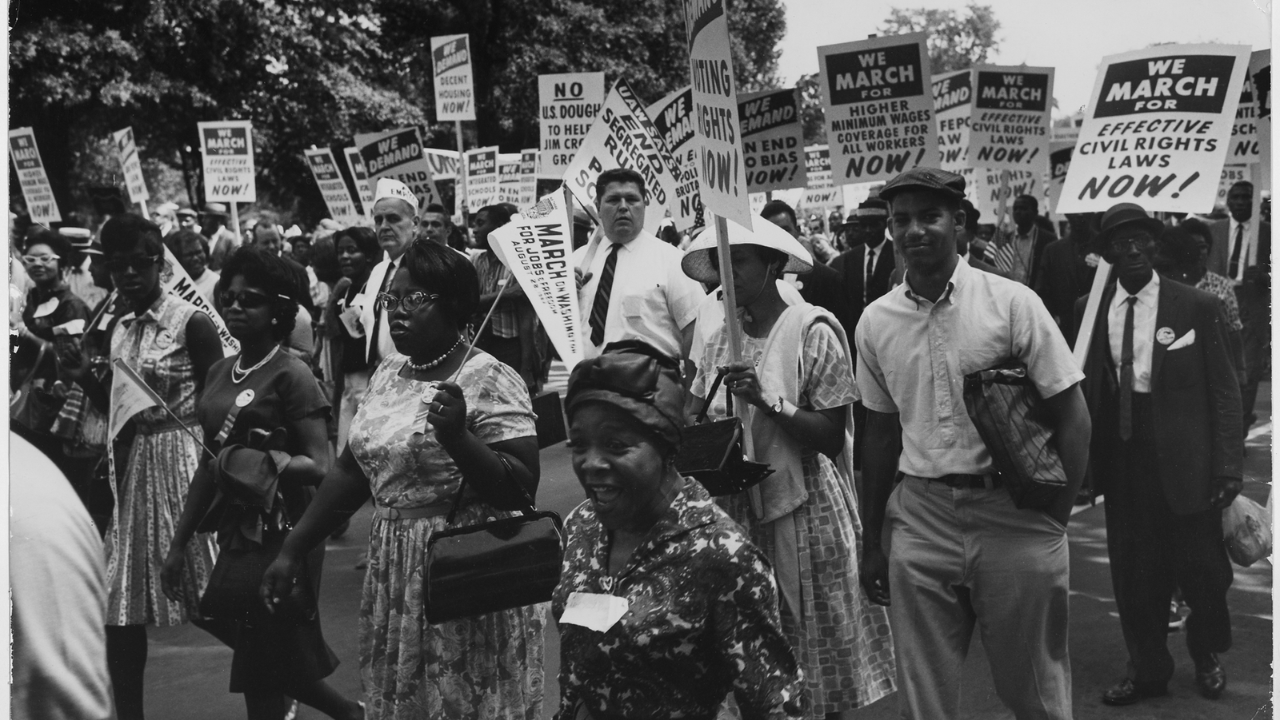
A changing social landscape has shaped a new phase of the civil rights movement in the United States. A growing awareness of inequality, combined with rising digital activism, shifting demographics, and renewed community organizing, has created powerful momentum for long-term progress. A strong focus on justice, representation, and systemic reform now defines what the next chapter may look like for future generations.
Affordable rentals, anti-discrimination enforcement, and fair lending
Voting Rights and Democratic Participation
New state laws influence early voting, mail ballots, and ID requirements
Advocacy groups work to expand access for marginalized communities
Redistricting debates determine fair political representation
Civic education programs help youth understand voting processes
Digital Advocacy and Online Organizing
Social media campaigns highlight injustice within hours
Online petitions accelerate local and national policy conversations
Video documentation increases transparency in public incidents
Digital learning spaces allow communities to share experiences and solutions
Tools Driving Digital Activism
Digital Tool
Impact on Civil Rights
Social Media
Rapid awareness, real-time organizing, community mobilization
Data Mapping
Visualization of inequities in housing, policing, and education
Online Petitions
Faster policy response through broad public participation
Virtual Town Halls
Easier access for youth, rural areas, and working families
Economic Inequality and Future Challenges
Wage gaps remain across racial and gender lines
Job access varies due to education, location, and digital skills
Entrepreneurship barriers affect long-term income mobility
Financial literacy programs help close generational wealth gaps
Housing Equity as a Civil Rights Priority
Rising rents push families away from jobs and schools
Lending discrimination persists in many housing markets
Public housing shortages limit stability for low-income communities
Zoning debates influence diversity and opportunity in neighborhoods
Barriers Affecting Housing Justice
Housing Issue
Community Impact
Rising Costs
Displacement, overcrowding, reduced opportunity
Lending Bias
Lower approval rates for minority borrowers
Limited Public Housing
Long waitlists, unstable family environments
Restrictive Zoning
Fewer affordable options, reduced diversity
Criminal Justice Reform Directions
Calls for transparency push departments toward accountability tools
Diversion programs reduce youth incarceration
Community-based initiatives support rehabilitation over punishment
Data collection highlights disparities in sentencing and policing
Education as a Civil Rights Cornerstone
School funding inequalities impact classroom resources
Curriculum updates highlight diverse historical voices
Digital access gaps affect learning quality
Mentoring programs increase college and career readiness
Future Education Equity Needs
Education Priority
Required Action
School Funding
Fair distribution models, increased resources for high-need areas
Curriculum Representation
Inclusive materials reflecting diverse histories
Digital Access
Broadband expansion, device availability, and digital literacy
Student Support
Mentoring, counseling, college readiness programs
Health Equity and Community Well-Being
Access gaps remain across racial and socioeconomic groups
Mental health services are limited in many communities
Preventive care remains crucial for long-term equity
Community clinics strengthen outreach for underserved families
Intersection of Climate Justice and Civil Rights
Extreme weather affects low-income neighborhoods more severely
Pollution burdens fall disproportionately on communities of color
Green jobs offer new economic opportunities
Environmental policies shape community health and long-term stability
Climate and Environmental Justice Connections
Issue Area
Civil Rights Impact
Pollution Exposure
Higher health risks, reduced life expectancy
Disaster Response
Unequal recovery support in minority communities
Job Access
Need for equitable inclusion in green industries
Housing Location
Higher vulnerability in flood- or heat-prone areas
The Expanding Role of Youth
Youth activists use technology to mobilize peers quickly
Student groups influence local school district decisions
Young leaders bring diverse cultural perspectives to civil rights work
Digital storytelling allows youth to share experiences authentically
Community Collaboration for Future Change
Local organizations build partnerships with public institutions
Cross-cultural alliances strengthen advocacy
Philanthropic groups fund innovation and leadership programs
Community centers act as hubs for education, health, and empowerment
Last Words
A growing movement for fairness and opportunity continues to define the next chapter of civil rights in the United States. A collective effort focused on voting access, economic justice, education equality, and digital rights will guide progress in the years ahead. A strong commitment to community collaboration and inclusive leadership will help shape a future where civil rights protections grow stronger for every generation.