
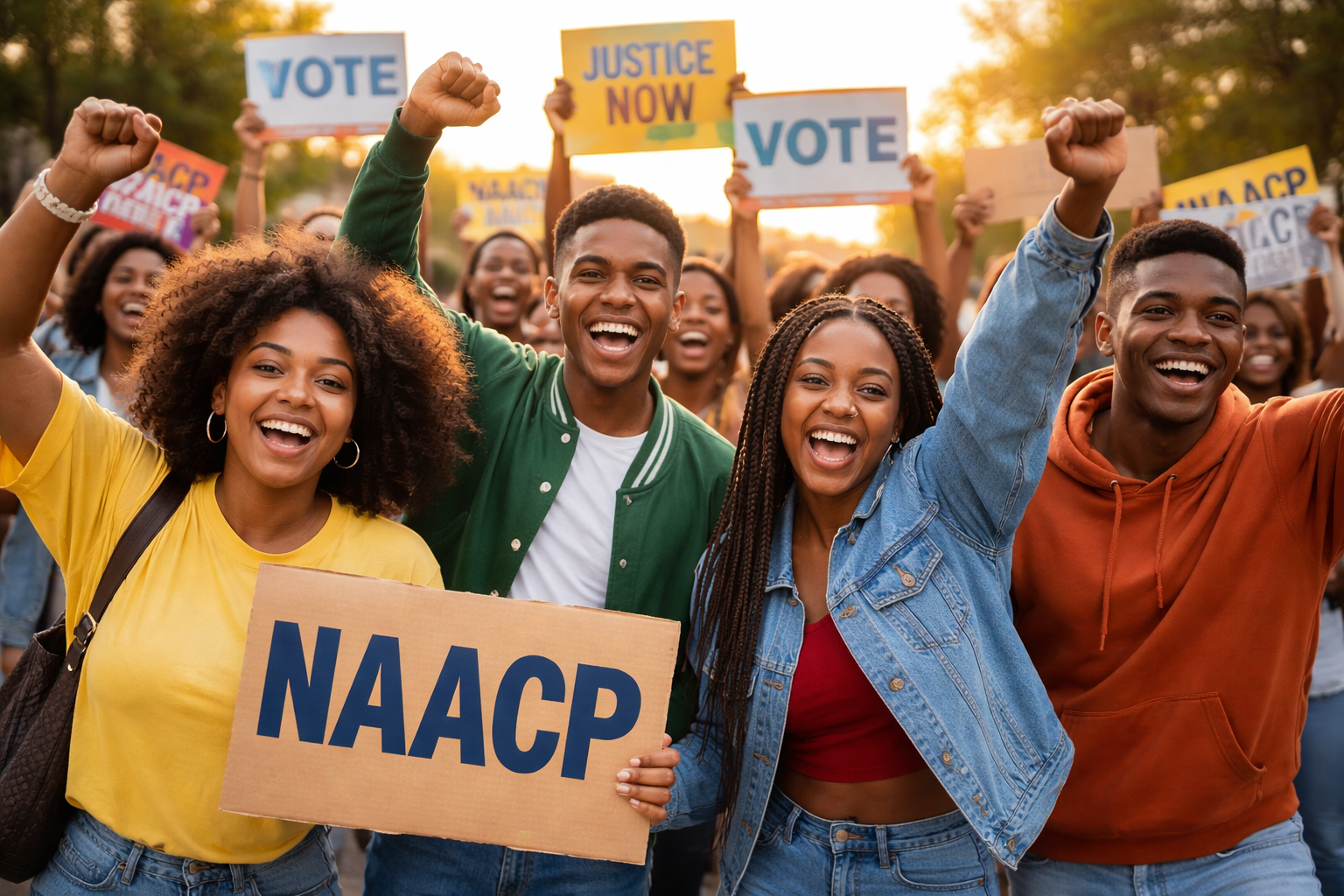
In a rapidly changing social and political landscape, youth leadership has become a driving force behind modern civil rights movements. The NAACP has recognized this shift and is actively investing in a new generation of leaders to sustain and expand its mission. By empowering young voices and strengthening grassroots networks, the organization is adapting to contemporary challenges while staying rooted in its historic purpose.
This strategy reflects a broader understanding that long-term impact requires both experienced leadership and fresh perspectives. Through education, activism, and community engagement, the NAACP is building a dynamic framework where youth participation and grassroots power work together to drive meaningful change.
Strategy Overview
NAACP Youth and Grassroots Model
| Aspect | Details |
|---|---|
| Core Focus | Youth empowerment and community activism |
| Key Approach | Leadership training and grassroots mobilization |
| Target Group | Students and young activists |
| Main Goal | Sustainable civil rights advocacy |
| Impact Area | Social justice, policy change, community development |
Youth Empowerment
- The NAACP places strong emphasis on empowering young individuals by providing leadership opportunities and platforms for expression. Youth councils and college chapters serve as entry points for students to engage in activism and community work.
- These programs help develop confidence, critical thinking, and organizational skills. By involving youth in decision-making processes, the NAACP ensures that younger generations have a voice in shaping the future of civil rights advocacy.
Leadership Training
- Structured training programs are designed to equip young leaders with the skills needed to address complex social issues. These include workshops on public speaking, policy analysis, and community organizing.
- Leadership development also focuses on mentorship, connecting experienced activists with emerging leaders. This exchange of knowledge strengthens continuity within the organization and prepares youth for long-term involvement.
Grassroots Networks
- Grassroots organizing remains a cornerstone of the NAACP’s strategy. Local chapters play a critical role in mobilizing communities, addressing local issues, and building support for broader initiatives.
- By strengthening these networks, the organization ensures that its efforts are grounded in real community needs. Grassroots power enables more inclusive participation and fosters a sense of collective responsibility.
Digital Activism
- The rise of social media and digital platforms has transformed how activism is conducted. The NAACP leverages these tools to amplify youth voices and reach wider audiences.
- Digital campaigns allow for rapid mobilization and awareness-building. Young activists, in particular, are adept at using these platforms to advocate for change and engage with diverse communities.
Community Engagement
- Engaging with local communities is essential for building trust and achieving impact. The NAACP organizes events, forums, and outreach programs that encourage participation and dialogue.
- These initiatives create opportunities for collaboration and problem-solving. By involving community members, the organization ensures that its actions are relevant and effective.
Policy Influence
- Youth and grassroots efforts are closely linked to policy advocacy. The NAACP encourages young leaders to engage with policymakers and participate in legislative processes.
- This involvement helps translate grassroots concerns into actionable policies. It also provides youth with a deeper understanding of governance and civic responsibility.
Key Actions
- Build Leadership
The NAACP invests in training programs that develop the next generation of civil rights leaders. - Strengthen Chapters
Local and student chapters are supported to enhance grassroots organizing and outreach. - Leverage Digital Tools
Social media and online platforms are used to amplify activism and engage broader audiences. - Encourage Participation
Youth are actively involved in decision-making and advocacy efforts.
Ongoing Challenges
- Resource Limitations
Expanding youth programs requires consistent funding and organizational support. - Engagement Gaps
Maintaining long-term involvement among young members can be challenging. - Evolving Issues
New social and political challenges require continuous adaptation of strategies. - Balancing Experience
Integrating youth perspectives with established leadership requires careful coordination.
Wrapping Up
The NAACP’s focus on youth leadership and grassroots power highlights the importance of adapting to changing times while staying committed to core values. By empowering young activists and strengthening community networks, the organization is building a resilient and forward-looking movement.
This new generation strategy ensures that civil rights advocacy remains dynamic and inclusive. As youth continue to play a pivotal role in shaping society, the NAACP’s efforts demonstrate how investing in future leaders can drive lasting and meaningful change.