
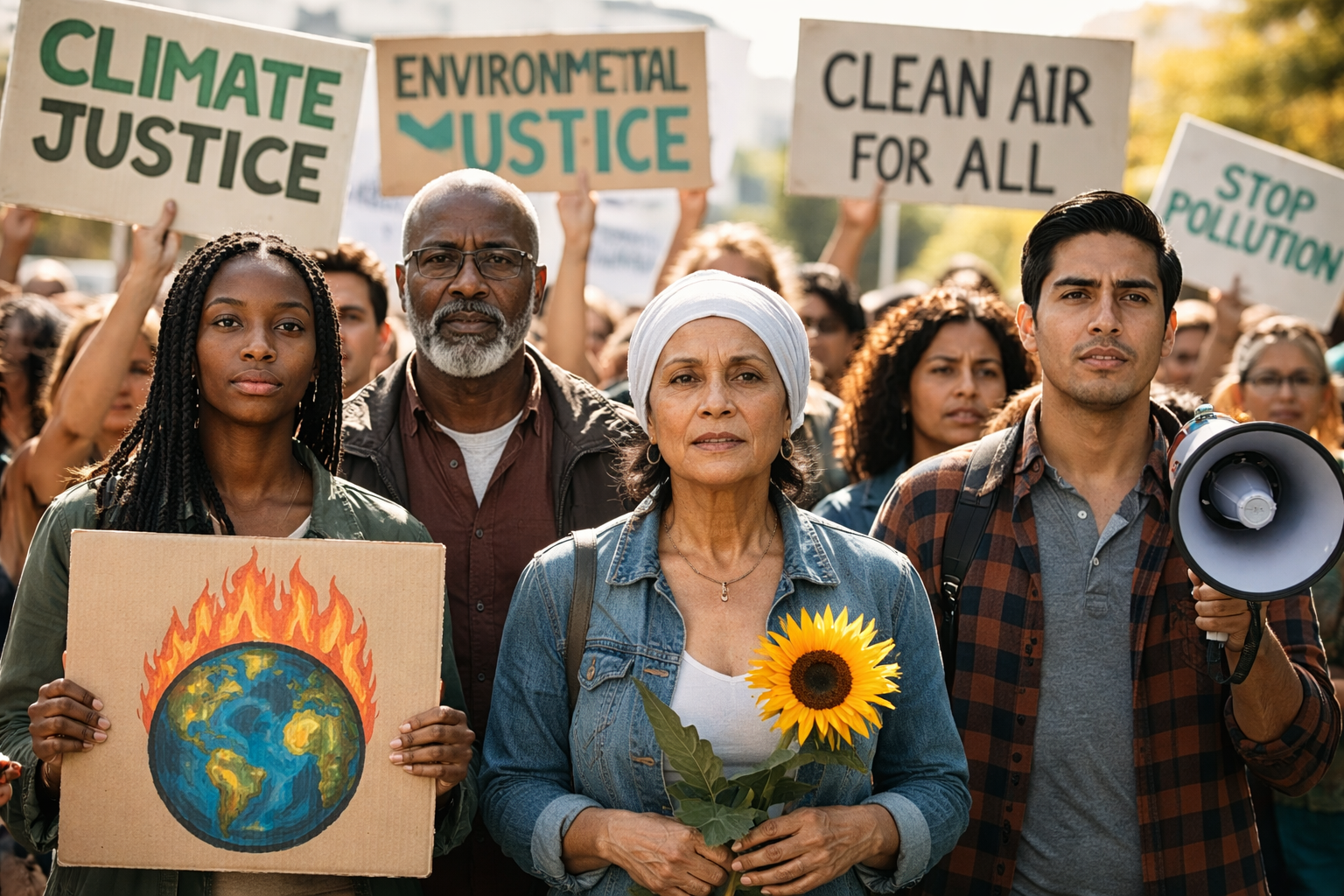
Environmental challenges do not affect all communities equally. Climate change, pollution, and resource scarcity often disproportionately impact marginalized populations, raising critical concerns about fairness and human rights. Environmental justice seeks to address these disparities by ensuring that all communities have equal protection and access to a healthy environment.
The intersection of environmental issues and civil rights highlights systemic inequalities that have developed over time. Addressing these challenges requires coordinated efforts across policy, community action, and sustainable practices. Recognizing environmental justice as a civil rights issue is essential for building a more equitable and resilient future.
Justice Overview
Overview Table: Key Elements of Environmental Justice
| Element | Description |
|---|---|
| Climate Inequality | Unequal exposure to environmental risks |
| Health Impacts | Disparities in disease and pollution effects |
| Policy Gaps | Inadequate regulations for vulnerable groups |
| Community Voice | Inclusion in decision-making processes |
| Resource Access | Fair distribution of environmental benefits |
Environmental justice is shaped by multiple interconnected factors. These elements highlight how inequality manifests in environmental contexts and affects communities differently. Understanding these aspects is essential for identifying and addressing disparities.
A comprehensive approach to environmental justice involves both recognizing these inequalities and implementing solutions that promote fairness. By focusing on these key elements, policymakers and communities can work toward more equitable outcomes.
Climate Inequality
Climate change impacts vary significantly across regions and populations. Vulnerable communities often face greater exposure to extreme weather events, rising temperatures, and environmental hazards. Limited resources make it harder for these groups to adapt and recover.
This inequality is often linked to historical and socioeconomic factors. Addressing climate inequality requires targeted interventions that prioritize the needs of the most affected communities.
Health Effects
Environmental conditions have direct consequences on public health. Pollution, poor air quality, and contaminated water disproportionately affect marginalized populations, leading to higher rates of illness and disease.
Improving environmental health requires both preventive measures and access to healthcare. Addressing these disparities is a key component of environmental justice and civil rights.
Policy Challenges
Policies play a crucial role in shaping environmental outcomes. However, gaps in regulations and enforcement often leave vulnerable communities unprotected. In some cases, policies may even contribute to inequality.
Strengthening policies requires a focus on inclusivity and fairness. Governments must ensure that regulations address the needs of all communities, particularly those most at risk.
Community Actions
- Grassroots movements raise awareness
- Local initiatives address specific needs
- Advocacy groups influence policy changes
- Community education promotes sustainability
- Collective efforts strengthen resilience
Community action is a powerful driver of environmental justice. Local efforts often lead to meaningful change by addressing issues directly and mobilizing resources. These actions empower communities to advocate for their rights.
Engaging communities in decision-making processes ensures that solutions are relevant and effective. It also fosters a sense of ownership and responsibility for environmental outcomes.
Resource Access
- Equal access to clean water and air
- Availability of green spaces
- Fair distribution of energy resources
- Affordable sustainable technologies
- Infrastructure supporting resilience
Access to environmental resources is a fundamental aspect of justice. Disparities in access can exacerbate existing inequalities and limit opportunities for improvement. Ensuring equitable distribution is essential for sustainable development.
Efforts to improve resource access must consider both immediate needs and long-term sustainability. Inclusive planning helps create systems that benefit all communities.
Legal Rights
Environmental justice is closely tied to legal rights and protections. Civil rights laws can be used to address environmental discrimination and hold institutions accountable. Legal frameworks provide a foundation for enforcing fairness.
Strengthening legal protections requires continuous evaluation and adaptation. As environmental challenges evolve, laws must be updated to address new issues and ensure effective enforcement.
Economic Factors
Economic inequality often intersects with environmental issues. Communities with fewer financial resources may lack the means to mitigate or adapt to environmental risks. This creates a cycle of vulnerability and disadvantage.
Addressing economic factors is essential for achieving environmental justice. Policies that promote economic equity can help reduce disparities and improve resilience.
Global Perspective
Environmental justice is not limited to individual countries. Global inequalities in climate impact highlight the need for international cooperation. Developing nations often face the greatest challenges despite contributing less to environmental degradation.
Collaborative efforts at the global level are essential for addressing these disparities. Sharing resources and knowledge can help create more equitable outcomes worldwide.
Future Outlook
The future of environmental justice depends on sustained commitment and innovation. Advances in technology, policy, and community engagement offer opportunities to address inequality more effectively.
Proactive approaches that prioritize fairness and sustainability can lead to lasting change. Building a just and resilient future requires collaboration across all levels of society.
Final Thoughts
Environmental justice is a critical component of civil rights in the modern era. Addressing inequality in climate impact requires a holistic approach that considers social, economic, and environmental factors.
By prioritizing fairness and inclusivity, societies can create more equitable and sustainable systems. Ensuring that all communities have access to a healthy environment is essential for long-term well-being and justice.