
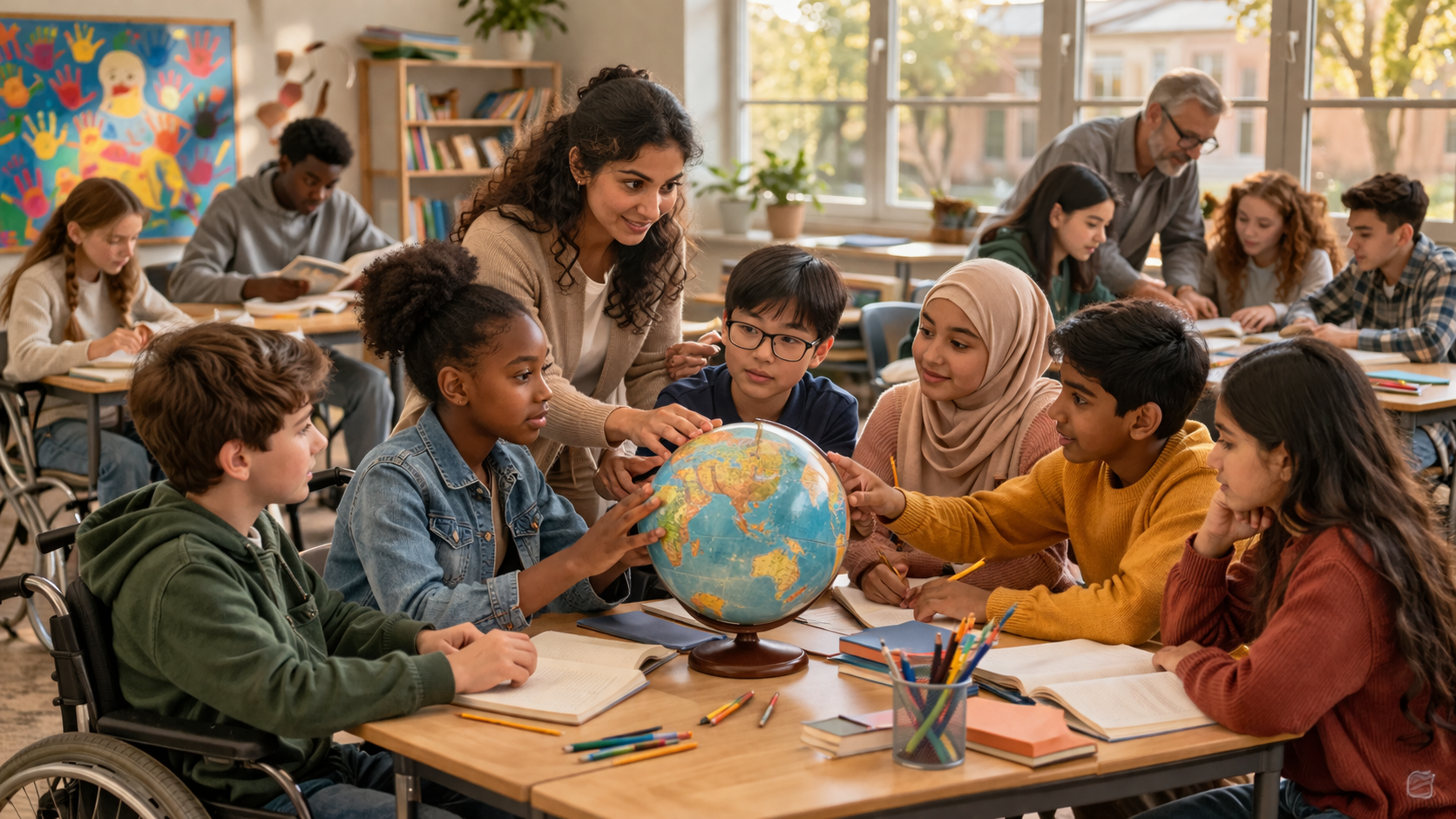
Education systems play a foundational role in shaping societies by influencing how individuals think, interact, and understand diversity. Schools are not just centers of academic learning but also environments where values, attitudes, and social norms are developed. As such, they have a powerful responsibility to promote equity and actively combat bias.
In increasingly diverse societies, addressing inequality and prejudice within education has become essential. By implementing inclusive policies, equitable practices, and culturally responsive teaching, education systems can create opportunities for all students to succeed. This article explores how education can serve as a catalyst for fairness and social progress.
Equity Overview
Education Equity Summary Table
| Aspect | Details |
|---|---|
| Definition | Fair access to opportunities and resources in education |
| Main Goal | Reduce disparities and eliminate bias |
| Key Areas | Curriculum, teaching methods, policies |
| Challenges | Systemic inequality, cultural bias |
| Outcome | Inclusive and supportive learning environments |
Equity in education means providing each student with the resources and support they need to succeed. Unlike equality, which treats all students the same, equity recognizes that different learners have different needs.
Promoting equity requires addressing systemic barriers that affect marginalized groups. This includes ensuring access to quality education, reducing achievement gaps, and creating inclusive learning environments.
Sources Bias
- Cultural Stereotypes
Preconceived notions about certain groups can influence teaching and interactions. - Curriculum Gaps
Lack of diverse perspectives in educational materials reinforces bias. - Teacher Expectations
Implicit biases may affect how educators perceive student abilities. - Institutional Policies
Rules and practices can unintentionally disadvantage certain groups.
Understanding the sources of bias is the first step toward addressing it. Education systems must identify and challenge these biases to create a fair learning environment.
Awareness and training are essential for reducing bias. Educators need the tools and knowledge to recognize and address their own assumptions.
Inclusive Practices
- Culturally Responsive Teaching
Incorporating diverse cultural perspectives into lessons. - Differentiated Instruction
Adapting teaching methods to meet diverse learning needs. - Safe Learning Spaces
Creating environments where students feel respected and valued. - Student Voice
Encouraging participation and feedback from all learners.
Inclusive practices help ensure that every student feels seen and supported. They foster a sense of belonging, which is critical for academic and personal success.
By embracing diversity, education systems can enrich the learning experience for all students. This approach promotes mutual respect and understanding.
Policy Measures
Effective policies are essential for promoting equity in education. Governments and institutions must implement regulations that address disparities and ensure equal access to resources.
Policies may include funding allocation, anti-discrimination laws, and accountability measures. These frameworks provide the structure needed to support equitable practices.
Continuous evaluation is necessary to ensure that policies remain effective. Data-driven approaches can help identify gaps and inform improvements.
Teacher Training
- Bias Awareness Programs
Training educators to recognize and address implicit bias. - Professional Development
Ongoing learning opportunities to improve teaching practices. - Collaborative Learning
Sharing strategies and experiences among educators. - Cultural Competence
Developing the ability to work effectively in diverse environments.
Teachers play a critical role in promoting equity. Their attitudes and practices directly impact student experiences and outcomes.
Investing in teacher training ensures that educators are equipped to handle diverse classrooms. This leads to more inclusive and effective teaching.
Student Outcomes
Equitable education systems lead to improved outcomes for students. When barriers are removed, learners can reach their full potential.
Positive outcomes include higher academic achievement, increased engagement, and better social development. Students also develop critical thinking skills and a greater appreciation for diversity.
These benefits extend beyond the classroom. Equitable education contributes to a more inclusive and just society.
Technology Integration
Technology can support equity by providing access to resources and personalized learning opportunities. Digital tools enable students to learn at their own pace and access a wide range of materials.
However, the digital divide remains a challenge. Ensuring equal access to technology is essential for maximizing its benefits.
When used effectively, technology can enhance inclusivity and reduce disparities in education.
Community Role
- Parental Involvement
Engaging families in the educational process. - Local Partnerships
Collaborating with community organizations. - Cultural Representation
Reflecting community diversity in school activities. - Advocacy Efforts
Promoting policies and practices that support equity.
Community involvement strengthens education systems. It ensures that schools are responsive to the needs of their students.
Collaboration between schools and communities fosters a supportive environment that promotes equity and inclusion.
Future Directions
As societies continue to evolve, education systems must adapt to new challenges and opportunities. Emerging trends include personalized learning, global collaboration, and increased focus on social-emotional development.
Future efforts will likely emphasize data-driven decision-making and inclusive innovation. These approaches can help address persistent inequalities and improve outcomes.
By embracing change, education systems can continue to promote equity and combat bias effectively.
Final Thoughts
Education systems have a vital role in shaping a more equitable and inclusive society. By addressing bias, implementing inclusive practices, and fostering collaboration, they can create opportunities for all students to succeed.
Achieving equity requires ongoing commitment and innovation. With the right strategies and support, education can be a powerful force for positive change.