
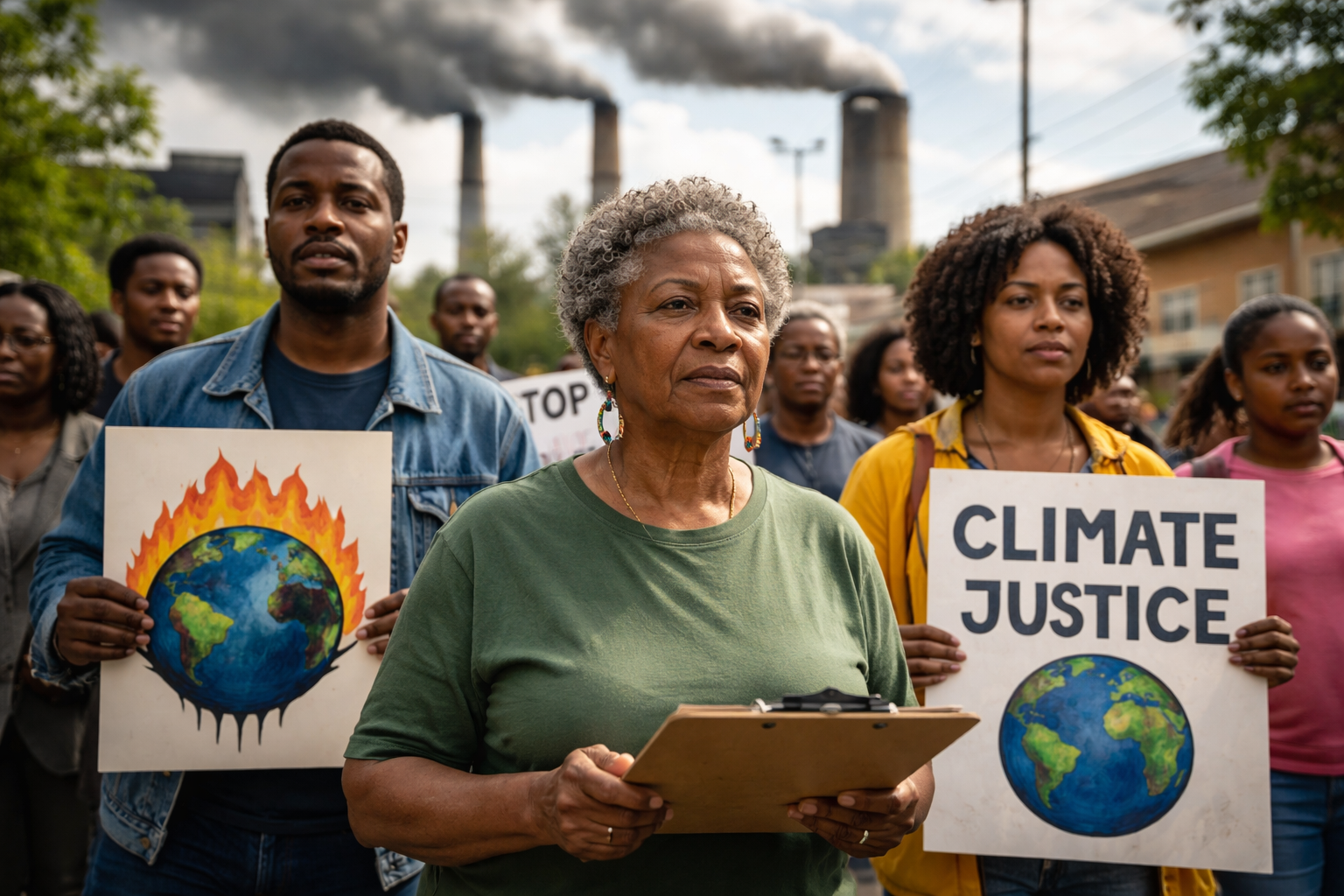
Environmental justice has become a critical issue as climate change increasingly affects vulnerable populations. Black communities in particular often face disproportionate exposure to environmental hazards, from polluted air to inadequate infrastructure. Organizations like the NAACP have taken a leading role in addressing these inequalities through advocacy, policy engagement, and community action.
By linking civil rights with environmental protection, the NAACP has expanded the conversation around climate justice. Its efforts focus on ensuring that all communities, regardless of race or income, have equal access to a safe and healthy environment.
Justice Overview
Environmental justice refers to the fair treatment and meaningful involvement of all people in environmental decision-making. The NAACP integrates this concept into its broader mission of advancing civil rights and social equity.
Environmental Justice Overview Table
| Aspect | Details |
|---|---|
| Core Focus | Address environmental inequalities |
| Key Issues | Pollution, climate change, resource access |
| Primary Goal | Achieve equitable environmental policies |
| Main Actors | Advocacy groups, communities, policymakers |
| Impact Area | Health, housing, and economic conditions |
This overview highlights how environmental justice intersects with social and economic issues.
Historical Roots
The involvement of the NAACP in environmental justice is rooted in its long history of civil rights advocacy. Environmental inequality has often mirrored patterns of racial discrimination seen during periods such as Jim Crow laws.
Communities of color have historically been located near industrial zones, waste facilities, and other sources of pollution. Recognizing this pattern, the NAACP began to address environmental issues as part of its broader fight for equality and justice.
Key Programs
The NAACP has developed several initiatives aimed at addressing environmental injustice and promoting sustainability in Black communities. These programs focus on education, advocacy, and community empowerment.
- Environmental Justice Program
- Advocates for equitable policies
- Addresses pollution and health disparities
- Climate Resilience Initiatives
- Supports communities facing climate risks
- Promotes adaptation strategies
- Energy Equity Campaigns
- Encourages access to clean energy
- Reduces energy cost burdens
These programs demonstrate the organization’s commitment to addressing both immediate and long-term environmental challenges.
Climate Inequality
Climate inequality refers to the uneven impact of climate change on different populations. Black communities often experience higher exposure to extreme weather, poor air quality, and inadequate infrastructure. These conditions exacerbate existing social and economic disparities.
The NAACP works to highlight these disparities and push for policies that address them. By raising awareness, the organization helps ensure that climate discussions include the voices of affected communities.
Policy Advocacy
Policy advocacy is a central component of the NAACP’s environmental justice efforts. The organization engages with policymakers to promote regulations that protect vulnerable communities and ensure fair resource distribution.
- Legislative Engagement
- Supports environmental protection laws
- Advocates for stricter pollution controls
- Public Campaigns
- Raises awareness of environmental issues
- Mobilizes community support
- Coalition Building
- Partners with other organizations
- Strengthens advocacy efforts
Through these actions, the NAACP influences policies that shape environmental outcomes.
Community Impact
The impact of the NAACP’s work is evident in the communities it serves. By addressing environmental hazards and promoting sustainable practices, the organization improves quality of life and public health outcomes.
Community-based initiatives empower residents to take an active role in environmental decision-making. This approach ensures that solutions are tailored to local needs and priorities, making them more effective and sustainable.
Challenges Ahead
Despite progress, significant challenges remain in achieving environmental justice. Climate change continues to intensify, and systemic inequalities persist. Limited resources and political resistance can hinder efforts to implement meaningful change.
The NAACP must navigate these challenges while maintaining momentum. Continued advocacy and collaboration are essential for overcoming obstacles and advancing environmental equity.
Future Directions
Looking ahead, the NAACP aims to expand its environmental justice initiatives and strengthen its impact. Emerging technologies, increased public awareness, and growing support for climate action present new opportunities.
By integrating innovation with community engagement, the organization can continue to address climate inequality effectively. Future efforts will focus on building resilience and promoting sustainable development.
Closing Reflections
The NAACP plays a vital role in addressing environmental justice and climate inequality in Black communities. Its work highlights the connection between civil rights and environmental protection, emphasizing the need for inclusive and equitable solutions.
Through advocacy, education, and community engagement, the NAACP continues to drive meaningful change. Ensuring environmental justice is not only a matter of policy but also a commitment to fairness, dignity, and the well-being of all communities.