
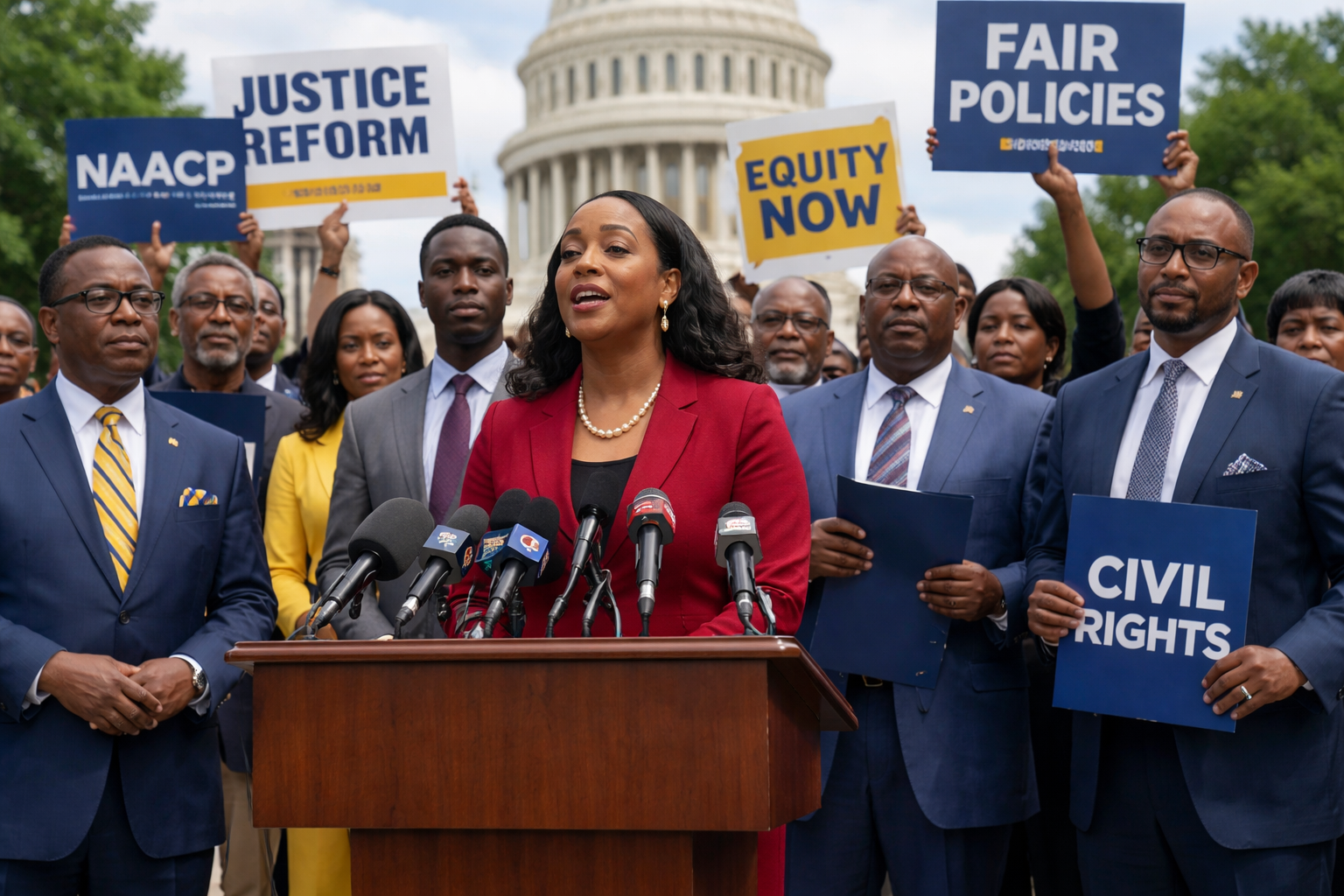
The National Association for the Advancement of Colored People (NAACP) has played a pivotal role in shaping policies aimed at promoting racial equity and social justice in the United States. Since its founding in 1909, the organization has advocated for legal reforms, civil rights protections, and policy changes that address systemic discrimination and economic disparities.
Through strategic lobbying, grassroots mobilization, and litigation, the NAACP works to influence legislation at the local, state, and federal levels. Its efforts span voting rights, education, healthcare, criminal justice, and economic opportunities, ensuring that marginalized communities have a voice in shaping laws that impact their lives.
Organizational Overview
NAACP Policy Influence Table
| Aspect | Details |
|---|---|
| Founded | 1909 |
| Focus Areas | Civil Rights Act (1964), Voting Rights Act (1965), and ongoing local policy reforms |
| Methods | Advocacy, litigation, lobbying, research, public campaigns |
| Key Achievements | Civil Rights Act (1964), Voting Rights Act (1965), ongoing local policy reforms |
| Impact | Expanded protections for African-Americans and marginalized communities |
The NAACP’s policy initiatives leverage research, community engagement, and legal action to challenge inequities and promote systemic reform. Its influence extends from federal legislation to local governance, shaping policies that directly affect daily life.
Legislative Advocacy
Advocacy is central to the NAACP’s approach to policy reform. The organization actively monitors proposed legislation, engages with lawmakers, and mobilizes public support to advance equity-focused policies.
By combining grassroots campaigns with expert policy analysis, the NAACP ensures that legislative decisions reflect the needs and rights of marginalized populations. This proactive approach has contributed to landmark legal protections and ongoing policy advancements.
- Lobbying efforts to influence state and federal laws
- Coalition-building with other civil rights organizations and stakeholders
- Public awareness campaigns highlighting policy inequities
- Research and policy analysis informing legislative proposals
- Testimonies and advocacy in legislative hearings supporting equitable reform
Legislative advocacy enables the NAACP to translate community concerns into actionable policy change.
Legal Action
Litigation has been a powerful tool for the NAACP in enforcing civil rights protections and challenging discriminatory laws. Through the legal system, the organization addresses inequities that persist despite existing legislation.
Court victories often set precedents that strengthen civil rights and inform future policymaking. Strategic lawsuits complement advocacy, ensuring that laws are not only passed but also implemented fairly and effectively.
- Civil rights lawsuits challenging segregation, voting restrictions, and discrimination
- Amicus briefs influencing judicial decisions on key equity issues
- Class action cases addressing systemic injustices in housing, education, and employment
- Enforcement of federal protections through legal oversight
- Strategic litigation planning to maximize social and policy impact
Legal action reinforces legislative gains and provides a mechanism to hold institutions accountable for equity standards.
Community Engagement
Community engagement is vital to the NAACP’s policy reform efforts. The organization educates citizens about their rights, mobilizes voters, and encourages participation in public policy processes.
Through local chapters, workshops, and public campaigns, the NAACP ensures that marginalized communities can influence the policies that affect them. This engagement strengthens democratic participation and accountability.
- Voter registration drives to enhance civic participation
- Workshops and forums on policy literacy and advocacy skills
- Local chapter activism connecting communities with policymakers
- Public campaigns addressing social, economic, and environmental equity
- Youth leadership programs cultivate future advocates and policymakers
Community engagement grounds the NAACP’s policy efforts in lived experience and ensures reforms reflect community priorities.
Research and Policy Analysis
Research underpins the NAACP’s effectiveness in influencing legislation. Data-driven reports highlight disparities in education, employment, healthcare, and criminal justice, providing evidence for targeted reforms.
These insights guide advocacy strategies, legislative proposals, and public awareness initiatives. By combining empirical analysis with lived experiences, the NAACP strengthens its case for systemic change.
- Equity reports examining disparities across sectors.
- Policy briefs providing recommendations for legislative reform
- Data analysis tracking outcomes of civil rights policies
- Collaborative studies with academic and research institutions
- Public dissemination of findings to inform community action and policymaking
Research and analysis ensure that advocacy and reform efforts are credible, impactful, and responsive to real-world challenges.
Final Thoughts
The NAACP’s approach to policy reform demonstrates the power of advocacy, legal action, community engagement, and research in promoting equity. By influencing legislation, the organization advances civil rights protections, economic opportunities, and social justice.
Through its sustained efforts, the NAACP not only addresses immediate inequalities but also contributes to the long-term transformation of policies and institutions, ensuring a more equitable society for current and future generations.