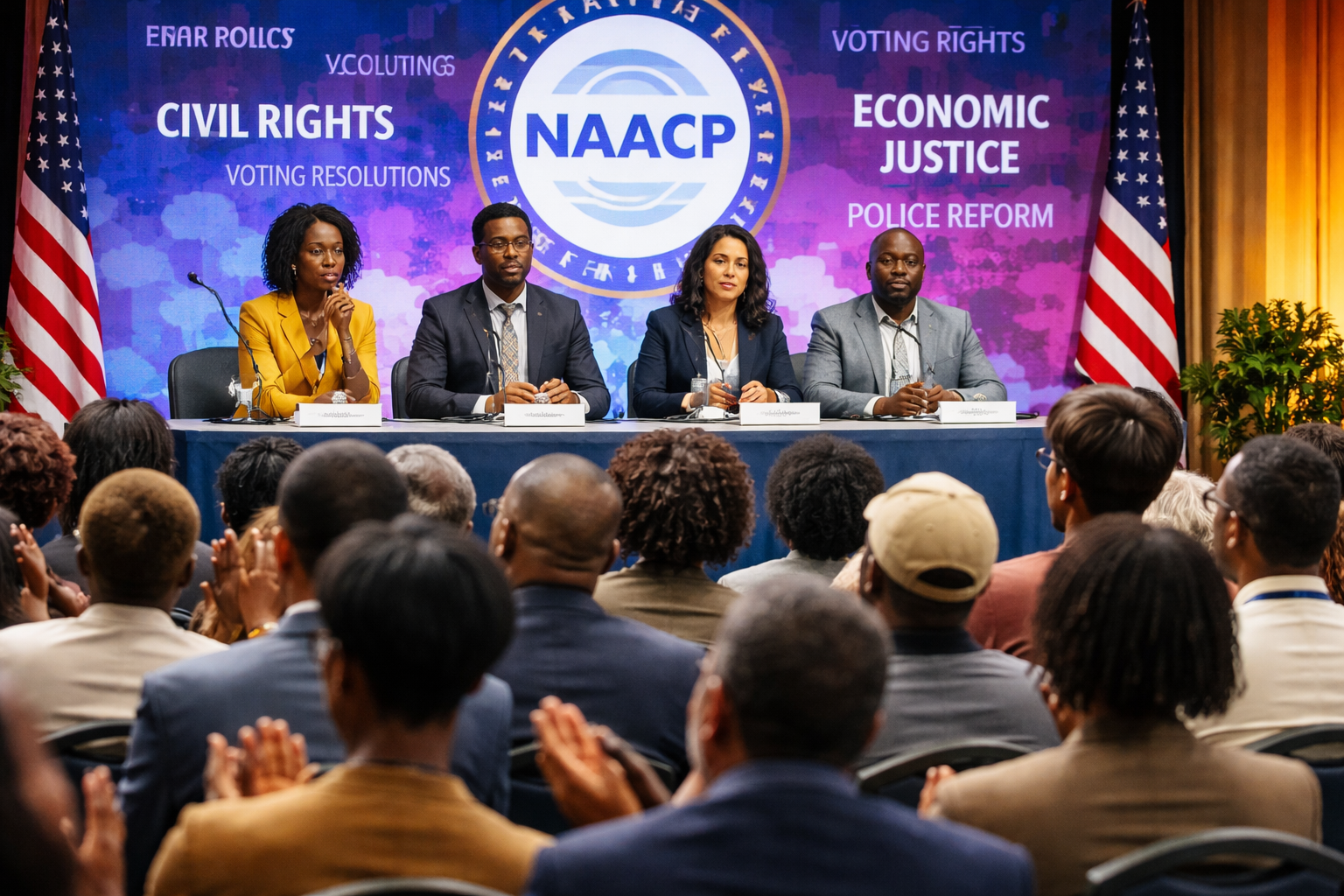
Policy resolutions adopted at conventions of the NAACP have played a critical role in shaping civil rights agendas across the United States. These resolutions reflect collective priorities, address pressing social issues, and guide advocacy efforts at local, state, and national levels. By formalizing demands and strategies, conventions act as powerful platforms for coordinated action.
Over time, NAACP conventions have evolved into influential policy forums where activists, leaders, and community members converge to debate and define the direction of civil rights work. The outcomes of these gatherings extend far beyond the events themselves, influencing legislation, public discourse, and institutional reforms nationwide.
Policy Overview
Overview Table: Key Elements of NAACP Policy Resolutions
| Element | Description |
|---|---|
| Purpose | Establish civil rights priorities and strategies |
| Participants | Delegates, activists, policymakers |
| Key Issues | Voting rights, education, justice reform |
| Process | Drafting, debate, and formal adoption |
| Impact Scope | Local, state, and national levels |
| Outcome | Policy advocacy and legislative influence |
Policy resolutions serve as formal statements that articulate the goals and demands of the organization. They are developed through collaborative processes that involve research, discussion, and consensus-building among members.
These resolutions provide a roadmap for advocacy, ensuring that efforts are aligned and focused. By clearly defining priorities, the NAACP strengthens its ability to influence public policy and drive meaningful change.
Convention Role
- Annual conventions bring together diverse stakeholders to discuss civil rights challenges and opportunities.
- Delegates propose and debate resolutions based on community needs and emerging issues.
- Structured sessions allow for detailed examination of policy proposals.
- Voting processes ensure democratic decision-making.
- Conventions act as platforms for networking and coalition-building.
- They amplify community voices and highlight grassroots concerns.
- Leadership guidance helps shape strategic direction.
- Public visibility increases awareness of civil rights issues.
Conventions play a central role in shaping the organization’s agenda. They provide a space for dialogue and collaboration, enabling participants to address complex issues collectively.
The outcomes of these gatherings reflect both grassroots input and leadership vision. This combination ensures that policies are both relevant and actionable.
Resolution Process
- Drafting begins with identifying key issues and gathering supporting data.
- Committees review proposals to ensure clarity and alignment with organizational goals.
- Open debates allow members to refine and strengthen resolutions.
- Final adoption requires majority approval from delegates.
- Amendments can be introduced to address concerns or improve proposals.
- Documentation ensures transparency and accountability.
- Approved resolutions are communicated to stakeholders and the public.
- Implementation plans guide follow-up actions.
The resolution process is designed to be inclusive and thorough. It ensures that policies are carefully considered and reflect the collective will of the organization.
This structured approach enhances the credibility of resolutions and supports their effectiveness in influencing policy decisions.
Advocacy Impact
Policy resolutions adopted at NAACP conventions have a significant impact on advocacy efforts. They guide campaigns, inform lobbying strategies, and shape public messaging.
These resolutions often address critical issues such as voting rights, criminal justice reform, and educational equity. By prioritizing these areas, the NAACP directs resources and attention to where they are most needed.
The influence of these policies extends to government institutions and public discourse. Lawmakers and stakeholders often consider NAACP positions when developing legislation and policies.
Through consistent advocacy, the organization ensures that its resolutions translate into tangible outcomes. This impact reinforces the importance of convention-driven policymaking.
National Influence
The national influence of NAACP policy resolutions is evident in their role in shaping broader civil rights agendas. These policies contribute to legislative changes and institutional reforms that affect millions of people.
Collaboration with other organizations and coalitions amplifies the impact of these resolutions. By aligning with broader movements, the NAACP strengthens its ability to drive systemic change.
Media coverage of convention outcomes increases public awareness and engagement. This visibility helps build support for civil rights initiatives and encourages civic participation.
The organization’s long-standing reputation adds weight to its policy positions. This credibility enhances its influence at the national level.
Strategic Outcomes
Strategic outcomes of NAACP resolutions include improved legal protections, expanded access to education, and increased voter participation. These achievements demonstrate the effectiveness of coordinated policy efforts.
Resolutions also serve as benchmarks for measuring progress. They provide a framework for evaluating the success of advocacy initiatives and identifying areas for improvement.
Long-term planning is supported by the continuity of policy priorities across conventions. This consistency ensures sustained focus on key issues.
By aligning strategy with policy, the NAACP maximizes its impact and drives meaningful change. This approach strengthens its role as a leader in the civil rights movement.
Closing Reflections
Policy resolutions from NAACP conventions are powerful tools for shaping national civil rights agendas. They reflect the collective voice of the community and provide a clear direction for advocacy and reform.
The effectiveness of these resolutions lies in their ability to translate ideas into action. Through structured processes, strong leadership, and sustained commitment, the NAACP continues to influence policy and advance civil rights across the nation.
The relationship with broader market conditions was well explained.
managing risk in swing trading