
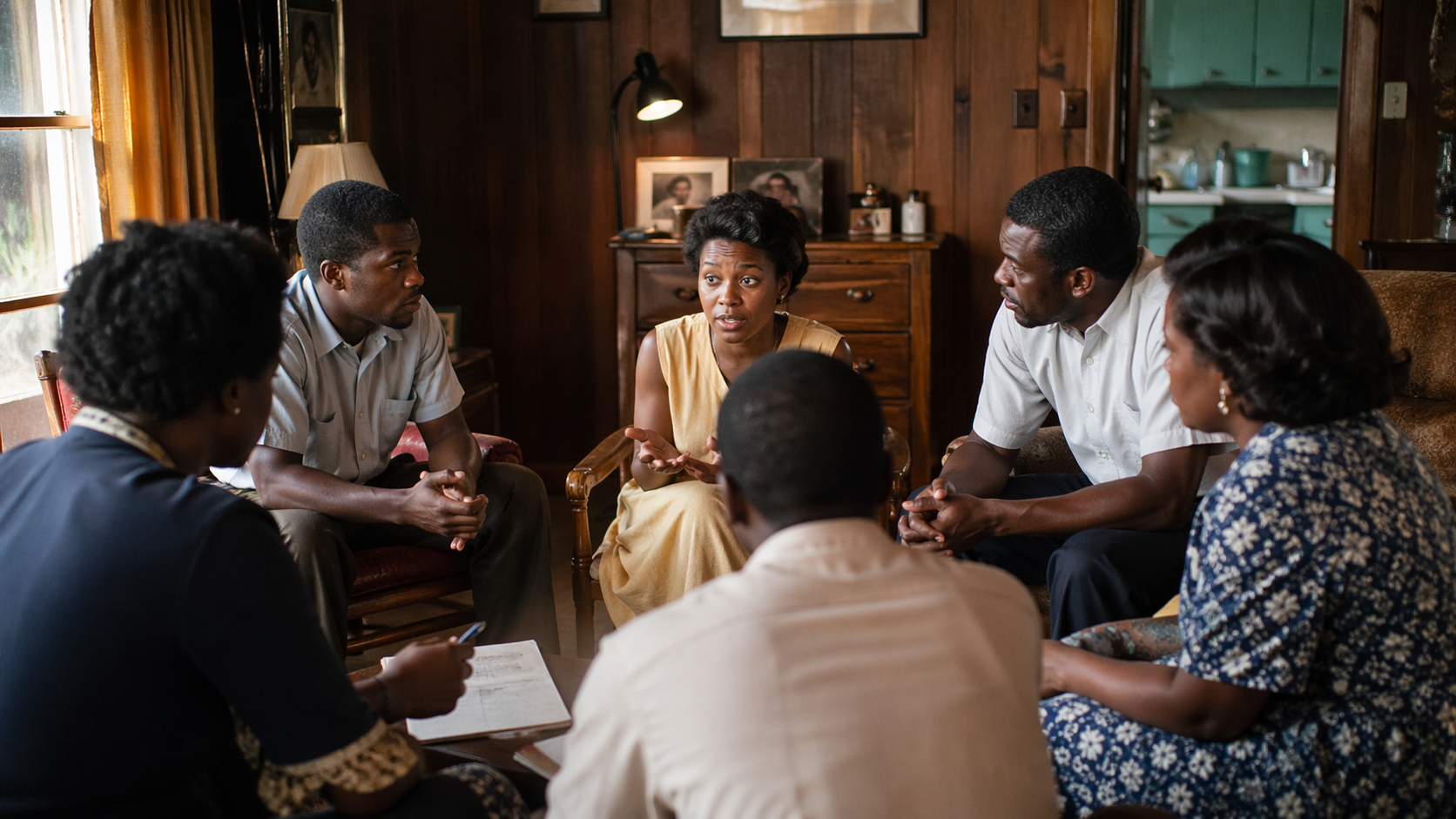
Grassroots mobilization played a central role in advancing civil rights across the southern United States during the mid-20th century. Local communities, rather than top-down leadership alone, drove many of the most impactful campaigns. These efforts relied on collective action, community organizing, and strategic planning to challenge systemic racial discrimination.
The success of grassroots movements during the Civil Rights Movement demonstrates how ordinary citizens can influence national change. By examining the strategies used in southern states, it becomes clear how organization, persistence, and community engagement shaped one of the most transformative periods in American history.
Overview Snapshot
| Aspect | Details |
|---|---|
| Movement | Civil Rights Movement |
| Region | Southern United States |
| Core Strategy | Grassroots mobilization |
| Key Focus | Voting rights, desegregation, equality |
| Outcome | Legislative and social change |
Community Organizing
Community organizing formed the foundation of grassroots mobilization. Local leaders worked within their communities to identify issues, build trust, and encourage participation. Churches, schools, and neighborhood groups became meeting points where strategies were discussed and plans were developed.
Organizing efforts focused on empowering individuals to take collective action. By fostering a sense of shared purpose, communities were able to sustain long-term campaigns. This localized approach ensured that movements were deeply rooted in the needs and experiences of the people.
Leadership Networks
Strong leadership networks helped coordinate activities across different regions. Influential figures such as Martin Luther King Jr. and Ella Baker emphasized the importance of collective leadership and community involvement.
- Decentralized leadership structures
- Collaboration between local and national leaders
- Emphasis on training new activists
- Support systems for organizers
These networks allowed for flexibility and adaptability. By avoiding reliance on a single leader, the movement remained resilient and capable of responding to challenges effectively.
Nonviolent Tactics
Nonviolent resistance was a defining strategy of grassroots mobilization. Inspired by principles of peaceful protest, activists used methods such as sit-ins, marches, and boycotts to challenge segregation and injustice. These actions drew public attention and highlighted the moral urgency of the movement.
Nonviolent tactics also helped build broad support by appealing to shared values of justice and equality. They exposed the brutality of discriminatory systems without resorting to violence, strengthening the movement’s legitimacy.
Voter Registration
Expanding voter participation was a key objective of grassroots efforts. Many African Americans in the South faced significant barriers to voting, including literacy tests and intimidation. Activists organized campaigns to educate and register voters despite these obstacles.
- Door-to-door outreach and education
- Assistance with registration processes
- Legal challenges to discriminatory practices
- Community workshops on voting rights
These efforts contributed to increased political participation and laid the groundwork for legislative changes. Voter registration campaigns were essential in empowering communities to influence policy and governance.
Youth Involvement
Young people played a vital role in mobilization efforts. Student-led organizations brought energy, creativity, and determination to the movement. Their participation expanded the reach of campaigns and introduced new strategies.
Youth involvement also ensured the continuity of the movement. By engaging younger generations, grassroots efforts created a lasting impact that extended beyond immediate goals. Students often led protests and organized events, demonstrating courage and commitment.
Media Influence
Media coverage amplified the impact of grassroots actions. Images and reports of protests, particularly in places like Birmingham, brought national attention to the movement. This visibility increased public awareness and pressured authorities to address civil rights issues.
Media Impact Table
| Element | Effect |
|---|---|
| Television Coverage | Reached national audiences |
| Photographs | Highlighted injustices |
| Newspapers | Spread information widely |
| Public Opinion | Increased support for reforms |
Media played a crucial role in shaping public perception. It transformed local struggles into national concerns, accelerating momentum for change.
Coalition Building
Coalition building strengthened grassroots mobilization by bringing together diverse groups with shared goals. Religious organizations, labor unions, and advocacy groups collaborated to support civil rights initiatives. These alliances expanded resources and increased influence.
- Partnerships across different communities
- Shared resources and expertise
- Coordinated campaigns and events
- متحد efforts for legislative change
Coalitions enhanced the movement’s reach and effectiveness. By uniting various stakeholders, grassroots efforts gained broader support and legitimacy.
Key Takeaways
Grassroots mobilization strategies were instrumental in the success of the Civil Rights Movement in the southern states. Through community organizing, nonviolent resistance, and voter registration efforts, ordinary citizens were able to challenge systemic inequality and achieve meaningful change. These strategies demonstrated the power of collective action and local leadership.
The legacy of these efforts continues to influence modern social movements. Understanding these strategies provides valuable insights into how communities can mobilize effectively and advocate for justice in diverse contexts.