
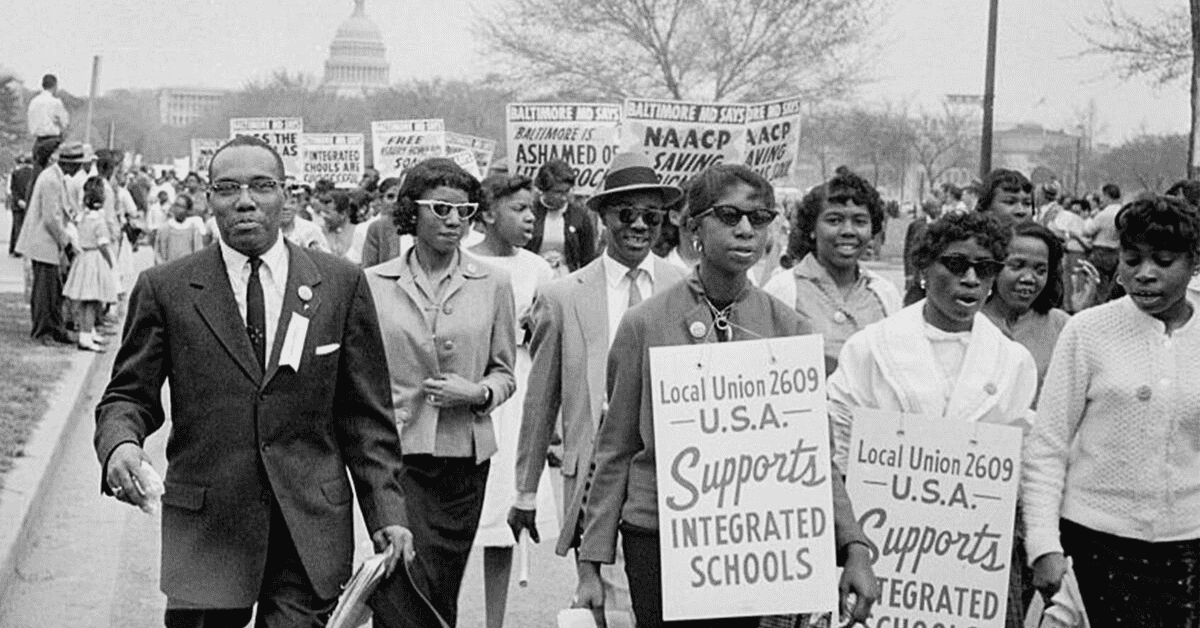
The National Association for the Advancement of Colored People remains one of the most influential civil rights organizations in the United States. Founded in 1909, it has played a central role in advocating for racial equality, justice, and social reform. In the digital age, the NAACP has adapted its strategies to remain relevant and impactful in a rapidly changing world.
With the rise of social media, online activism, and digital communication, civil rights movements have transformed significantly. The NAACP continues to lead by integrating traditional advocacy with modern technology, ensuring its voice remains powerful in contemporary discourse.
Impact Overview
The NAACP’s influence extends across legal advocacy, public awareness, and grassroots mobilization. Its ability to evolve with technological advancements has strengthened its role in modern civil rights movements.
NAACP Digital Impact Snapshot
| Aspect | Details |
|---|---|
| Founded | 1909 |
| Core Mission | Civil rights and social justice |
| Modern Tools | Social media, digital campaigns |
| Key Areas | Legal action, advocacy, education |
| Global Reach | Expanding influence through digital platforms |
This adaptability allows the organization to engage with new generations and address emerging social issues effectively.
Digital Activism
- Use of social media platforms for awareness campaigns
- Online petitions and advocacy initiatives
- Hashtag movements amplifying civil rights issues
- Digital storytelling to highlight injustices
- Real-time engagement with global audiences
Digital activism has become a powerful tool for the NAACP. Platforms like Twitter and Instagram enable the organization to reach millions of people instantly.
These tools allow for rapid mobilization and awareness. Campaigns can gain momentum quickly, influencing public opinion and policy discussions.
Legal Advocacy
- Strategic litigation to challenge discrimination
- Support for civil rights cases in courts
- Policy advocacy at local and national levels
- Collaboration with legal experts and organizations
- Protection of voting and constitutional rights
Legal advocacy remains a cornerstone of the NAACP’s work. The organization continues to challenge unjust laws and practices through the judicial system.
By combining legal action with digital outreach, the NAACP amplifies its impact. Public support generated online often strengthens its legal efforts.
Youth Engagement
- Programs targeting young activists
- Digital education initiatives
- Leadership development opportunities
- Campus-based chapters and networks
- Online forums for discussion and collaboration
Engaging younger generations is essential for sustaining civil rights movements. The NAACP активно uses digital platforms to connect with youth and encourage participation.
These initiatives empower young individuals to become advocates for change. They also ensure continuity in the fight for equality.
Media Influence
The NAACP активно shapes public discourse through media engagement. Digital platforms allow the organization to respond quickly to current events and highlight important issues.
Media presence helps amplify marginalized voices. It also ensures that civil rights topics remain visible in public conversations.
Community Outreach
- Virtual events and webinars
- Online resources for education and advocacy
- Partnerships with community organizations
- Digital support networks
- Campaigns addressing local issues
Community outreach has expanded through digital channels. The NAACP can now engage with communities beyond geographical boundaries.
This approach increases inclusivity and accessibility. More individuals can participate in advocacy efforts regardless of location.
Policy Impact
The NAACP continues to influence public policy by combining grassroots activism with digital advocacy. Online campaigns often lead to increased pressure on policymakers.
This dual approach strengthens the organization’s ability to drive change. It ensures that civil rights issues are addressed at multiple levels.
The Way Forward
The NAACP’s ability to adapt to the digital age has reinforced its position as a leader in civil rights movements. By leveraging technology, it continues to advocate for justice, equality, and social reform.
As digital tools evolve, the organization will likely expand its strategies further. Its commitment to innovation and advocacy ensures that it remains a powerful force in shaping the future of civil rights.