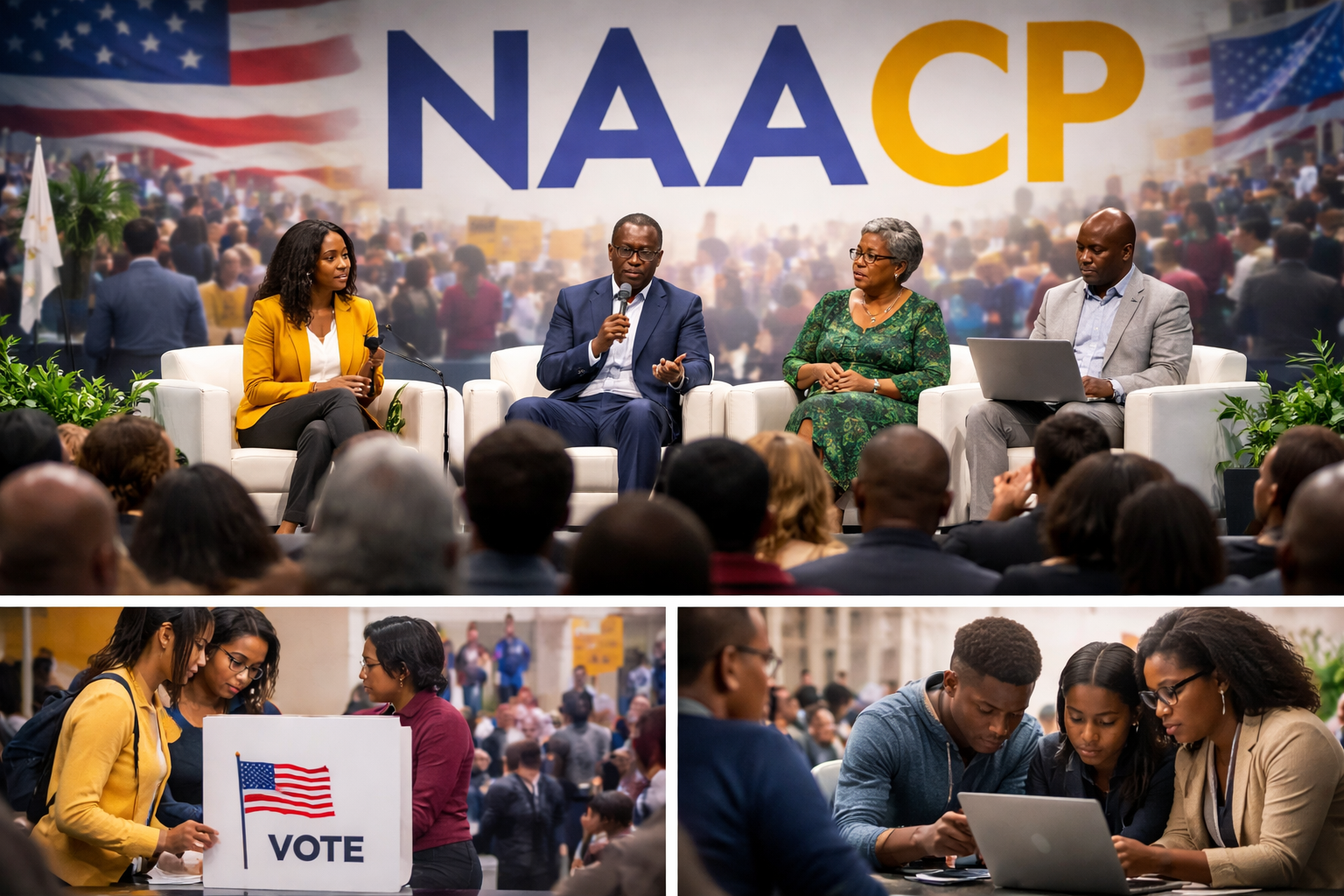
The annual convention of the NAACP serves as a major platform for addressing pressing civil rights issues in the United States. Bringing together activists, policymakers, scholars, and community leaders, the convention reflects both historical struggles and modern challenges. It acts as a space where strategies are developed to tackle inequality in an evolving social and technological landscape.
In recent years, the scope of discussions has expanded beyond traditional civil rights topics to include digital access, economic inclusion, and systemic reform. The convention highlights how civil rights advocacy continues to adapt, ensuring that equity remains central in both physical and digital spaces.
Convention Overview
Understanding the focus areas of modern NAACP conventions helps illustrate their relevance today. The table below summarizes key issues commonly addressed.
Convention Issues Summary
| Issue Area | Description |
|---|---|
| Voting Rights | Protecting access to fair elections |
| Criminal Justice | Addressing systemic inequalities |
| Economic Equity | Promoting financial inclusion |
| Education Access | Ensuring equal learning opportunities |
| Digital Equity | Bridging the technology gap |
These issue areas reflect the evolving nature of civil rights advocacy. While some challenges remain consistent, new concerns, such as digital inequality, have gained prominence in recent discussions.
The convention provides a unified platform to address these topics, encouraging collaboration and innovation among participants.
Voting Rights
Voting rights remain a central focus of NAACP conventions. Discussions often address challenges such as voter suppression, restrictive laws, and unequal access to polling resources.
Advocacy efforts aim to protect and expand democratic participation. By promoting fair election practices, the NAACP continues to uphold one of the most fundamental civil rights.
Justice Reform
- Police Accountability
Addressing misconduct and promoting transparency in law enforcement. - Sentencing Policies
Advocating for fair and equitable sentencing practices. - Prison Conditions
Highlighting issues related to incarceration environments. - Reentry Programs
Supporting individuals transitioning back into society.
Criminal justice reform remains a critical area of focus. These discussions aim to address systemic inequalities and promote fairness within the legal system.
Economic Equity
Economic disparities continue to affect marginalized communities. The convention addresses issues such as wage gaps, unemployment, and access to financial resources.
Programs and policies discussed often focus on empowering individuals through education, entrepreneurship, and workforce development. Economic equity is seen as a key driver of long-term social progress.
Education Access
- Funding Equality
Advocating for fair distribution of educational resources. - Curriculum Reform
Promoting inclusive and accurate representation in education. - Student Support
Expanding access to scholarships and mentorship programs. - Digital Learning
Addressing gaps in access to online education tools.
Education remains a cornerstone of civil rights advocacy. Ensuring equal opportunities in education helps create a foundation for future success.
Digital Equity
Digital equity has emerged as a major topic in recent conventions. Access to technology and the internet is now considered essential for education, employment, and civic participation.
Efforts focus on bridging the digital divide by expanding infrastructure, affordability, and digital literacy. Addressing these gaps ensures that all communities can participate fully in the digital age.
Health Disparities
Health equity is another important issue discussed at the convention. Topics include access to healthcare, disparities in treatment, and public health challenges.
Advocacy efforts aim to improve healthcare systems and ensure that all individuals receive quality care. Addressing health disparities is essential for overall community well-being.
Youth Engagement
- Leadership Programs
Encouraging young people to take active roles in advocacy. - Civic Participation
Promoting involvement in social and political issues. - Education Initiatives
Supporting academic and personal development. - Digital Activism
Leveraging technology for social change.
Youth engagement ensures the استمرار of civil rights movements. By empowering the next generation, the NAACP fosters long-term impact and innovation.
Policy Development
The convention serves as a space for developing and refining policy recommendations. These policies guide advocacy efforts at local, state, and national levels.
Collaboration among participants helps create comprehensive strategies that address complex issues. Policy development is a key outcome of convention discussions.
Global Perspectives
- Human Rights
Connecting domestic issues to global challenges. - International Collaboration
Sharing strategies with organizations worldwide. - Cultural Exchange
Promoting understanding across communities. - Global Advocacy
Expanding the reach of civil rights efforts.
Incorporating global perspectives broadens the scope of discussions. It highlights the interconnected nature of social justice issues across the world.
The Bottom Line
Modern conventions of the NAACP reflect the evolving landscape of civil rights advocacy. From voting rights to digital equity, these gatherings address both longstanding and emerging challenges.
By fostering dialogue, collaboration, and innovation, the convention continues to play a vital role in shaping the future of social justice. Its focus on inclusive and forward-thinking solutions ensures that civil rights efforts remain relevant in a rapidly changing world.