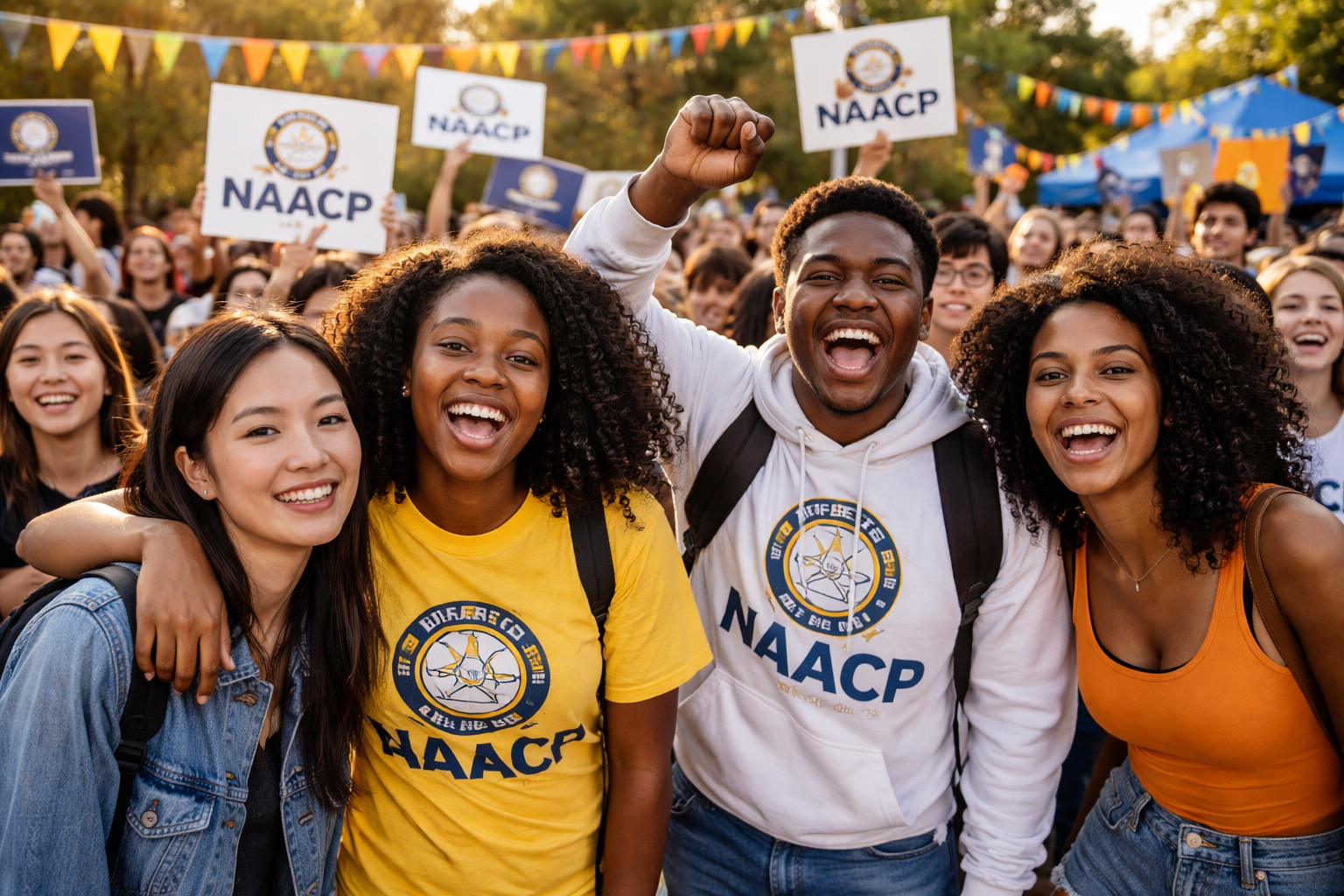
The National Association for the Advancement of Colored People (NAACP) has long recognized the importance of empowering young people to sustain the fight for civil rights and social justice. Youth engagement is central to the organization’s mission, cultivating leadership skills, civic responsibility, and advocacy capabilities among the next generation.
By actively involving youth in programs, initiatives, and campaigns, the NAACP ensures that young voices are heard, nurtures emerging leaders, and strengthens the broader movement for equity and inclusion. These strategies provide a structured path for young people to develop into effective advocates and community leaders.
Program Overview
NAACP Youth Engagement Table
| Aspect | Details |
|---|---|
| Target Group | Youth ages 12–25 |
| Focus Areas | Leadership development, civic engagement, social justice advocacy |
| Key Programs | NAACP Youth Councils, ACT-SO, Voter Education initiatives |
| Methods | Workshops, mentoring, volunteering, advocacy campaigns |
| Impact | Empowered young leaders, increased civic participation, strengthened activism |
These programs provide opportunities for practical experience, mentorship, and skill-building, preparing participants for meaningful contributions to civil rights initiatives and community advocacy.
Youth programs also create intergenerational connections, linking experienced activists with emerging leaders to sustain organizational knowledge and mission continuity.
Leadership Development
The NAACP emphasizes leadership training to equip youth with the skills necessary for advocacy and social change. Workshops, seminars, and mentorship programs focus on communication, strategic planning, and policy analysis.
By fostering leadership competencies, the organization ensures that young activists can organize campaigns, lead initiatives, and influence public discourse effectively.
- Mentorship programs pairing youth with experienced leaders
- Workshops on public speaking and advocacy to strengthen confidence
- Leadership seminars teaching strategic planning and organizational skills
- Opportunities to chair committees or lead initiatives within local chapters
- Networking events connecting youth with peers and community leaders
These strategies develop capable, confident leaders ready to advance social justice goals in their communities.
Civic Engagement
Encouraging civic participation is a cornerstone of youth engagement. The NAACP provides education on voting rights, government structures, and civic responsibilities. Young people are motivated to participate in elections, policy discussions, and public decision-making processes.
Civic engagement initiatives foster awareness of social issues while instilling a sense of responsibility and empowerment. Youth learn to navigate political systems and advocate for change effectively.
- Voter education campaigns targeting eligible young voters
- Mock elections and civic simulations to teach governance and policy influence
- Advocacy training for local and state issues affecting youth and communities
- Community service projects linking civic action to social outcomes
- Participation in public forums and town halls to amplify youth voices
These initiatives ensure youth engagement translates into real-world influence and community impact.
Creative and Cultural Programs
The NAACP uses cultural and creative programs to inspire youth participation. Programs like ACT-SO (Afro-Academic, Cultural, Technological, and Scientific Olympics) encourage excellence in academics, arts, and science while promoting leadership and recognition.
By combining creativity with civic and social learning, these programs foster holistic development, confidence, and a sense of purpose among young participants.
- ACT-SO competitions highlight achievement in academics, arts, and STEM
- Cultural workshops and performances celebrating heritage and identity
- Recognition and awards motivate excellence and community contribution
- Skill-building sessions integrating creativity with leadership and advocacy
- Public exhibitions and showcases promoting youth accomplishments
These programs strengthen both individual potential and collective community engagement.
Community Advocacy
Youth are encouraged to engage directly in community advocacy through campaigns, volunteer opportunities, and grassroots initiatives. Participation in local projects allows young people to see the tangible impact of their efforts.
By involving youth in hands-on activism, the NAACP nurtures practical skills, accountability, and social responsibility, ensuring sustained involvement in social justice movements.
- Grassroots organizing around local social justice issues
- Volunteer service projects addressing community needs
- Public awareness campaigns led by youth participants
- Policy advocacy initiatives guided by mentorship and training
- Peer-to-peer outreach promoting civic participation and equity awareness
Community advocacy builds a bridge between education, leadership, and actionable impact.
Final Thoughts
The NAACP’s youth engagement strategies are critical for building the next generation of activists. Through leadership development, civic education, creative programs, and community advocacy, young people gain the skills, knowledge, and confidence to drive social change.
By investing in youth, the NAACP ensures that its mission of equity and justice continues across generations. These strategies foster empowered, informed, and active leaders capable of advancing civil rights and shaping a more equitable society.