
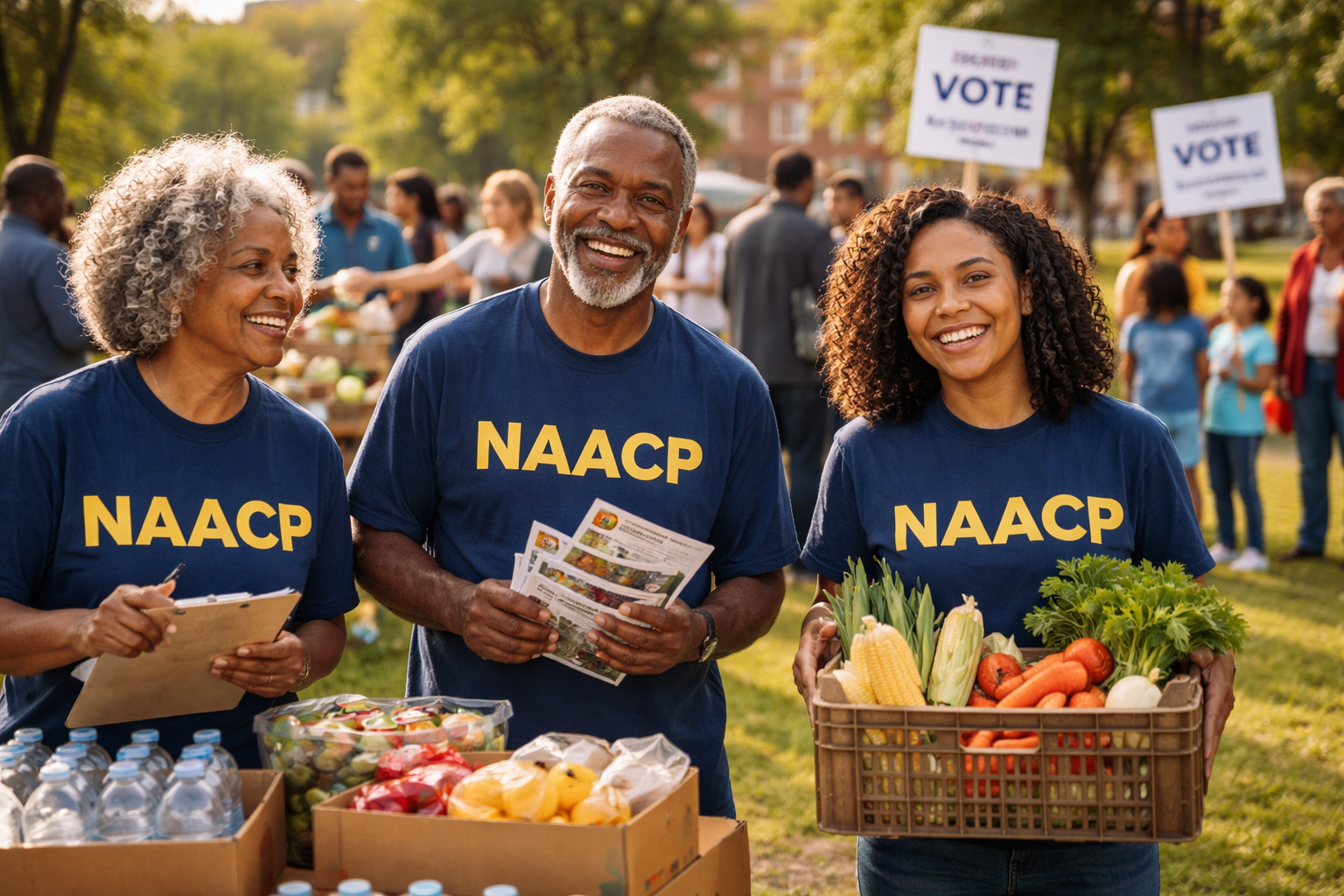
Grassroots activism has long been a cornerstone of civil rights progress, and few organizations exemplify this better than the NAACP. While the national body sets strategic direction, it is the local chapters that bring meaningful change directly to communities. These chapters act as the bridge between policy and people, addressing real-world challenges at the neighborhood level.
From education and legal advocacy to economic empowerment and voter engagement, NAACP local chapters play a critical role in advancing equality. Their community-based approach allows them to respond quickly to local needs while aligning with broader civil rights goals. Understanding their grassroots impact reveals how collective action drives lasting social transformation.
Impact Overview
A structured understanding of grassroots efforts helps highlight the role of local NAACP chapters in community development. The table below summarizes their key areas of impact.
Grassroots Impact Summary
| Area | Description |
|---|---|
| Legal Advocacy | Addressing discrimination and civil rights cases |
| Education Support | Promoting equal access and resources |
| Voter Engagement | Encouraging civic participation |
| Economic Programs | Supporting financial empowerment initiatives |
| Community Outreach | Building awareness and local partnerships |
Local chapters operate as dynamic hubs for activism and support. Their ability to engage directly with residents allows them to identify pressing issues and implement targeted solutions.
This localized focus ensures that initiatives are relevant and effective. By combining grassroots insights with national strategies, NAACP chapters create a powerful framework for change.
Community Advocacy
Local NAACP chapters actively advocate for civil rights within their communities. They address issues such as racial discrimination, housing inequality, and access to public services.
Through organized campaigns and direct engagement with local authorities, these chapters work to influence policies and practices. Their advocacy ensures that marginalized voices are heard and represented in decision-making processes.
Legal Efforts
- Case Support
Chapters assist individuals facing discrimination by connecting them with legal resources. - Policy Challenges
They challenge unfair laws and practices through legal action. - Know Rights
Educational programs inform communities about their legal protections. - Partnership Networks
Collaboration with legal organizations strengthens their impact.
Legal efforts are a critical component of grassroots activism. By addressing injustices at both individual and systemic levels, local chapters contribute to meaningful change.
Education Programs
Education remains a central focus of NAACP initiatives. Local chapters work to improve access to quality education and address disparities in school systems.
Programs may include tutoring, scholarships, and advocacy for equitable funding. These efforts aim to create opportunities for students and support long-term community development.
Voter Engagement
- Registration Drives
Encouraging eligible citizens to register and participate in elections. - Civic Education
Providing information on voting rights and processes. - Election Monitoring
Ensuring fair and transparent electoral practices. - Youth Involvement
Engaging younger generations in civic activities.
Voter engagement initiatives empower communities to influence political outcomes. Increased participation strengthens الديمقراطية and ensures that diverse perspectives are represented.
Economic Support
Local chapters also focus on economic empowerment by supporting job training, small businesses, and financial literacy programs. These initiatives help individuals achieve stability and independence.
By addressing economic disparities, NAACP chapters contribute to broader social equity. Financial empowerment is a key factor in building resilient communities.
Outreach Strategies
- Community Events
Hosting workshops and public forums to raise awareness. - Partnership Building
Collaborating with local organizations and institutions. - Media Campaigns
Using traditional and digital platforms to share information. - Volunteer Networks
Engaging residents in activism and service.
Effective outreach ensures that programs reach those who need them most. Strong community connections enhance the impact of grassroots initiatives.
Youth Leadership
Youth involvement is essential for sustaining long-term change. NAACP chapters provide leadership opportunities and mentorship programs for young people.
These initiatives encourage civic engagement and develop future leaders. Empowering youth ensures continuity in the fight for civil rights and social justice.
Challenges Faced
- Resource Limitations
Limited funding and staffing can restrict program scope. - Community Barriers
Mistrust or lack of awareness may hinder participation. - Policy Resistance
Opposition to reforms can slow progress. - Coordination Issues
Aligning local and national efforts requires careful planning.
Despite these challenges, local chapters continue to adapt and innovate. Their resilience is a testament to the strength of grassroots activism.
Closing Reflections
The grassroots impact of the NAACP demonstrates the power of community-driven change. Local chapters serve as the foundation of the organization’s efforts, translating national goals into meaningful local action.
By addressing legal, educational, economic, and civic issues, these chapters create lasting improvements in their communities. Their work highlights the importance of collective action, local leadership, and sustained commitment in advancing civil rights and social justice.