Bridging the Digital Divide: NAACP Initiatives for Technology Access and Equity

Access to technology has become essential for education, employment, and civic participation. Yet, many communities continue to face barriers that limit their ability to benefit from digital resources. The NAACP has taken a proactive role in addressing these disparities through targeted initiatives focused on access and equity. Closing the digital divide requires more than infrastructure; … Read more
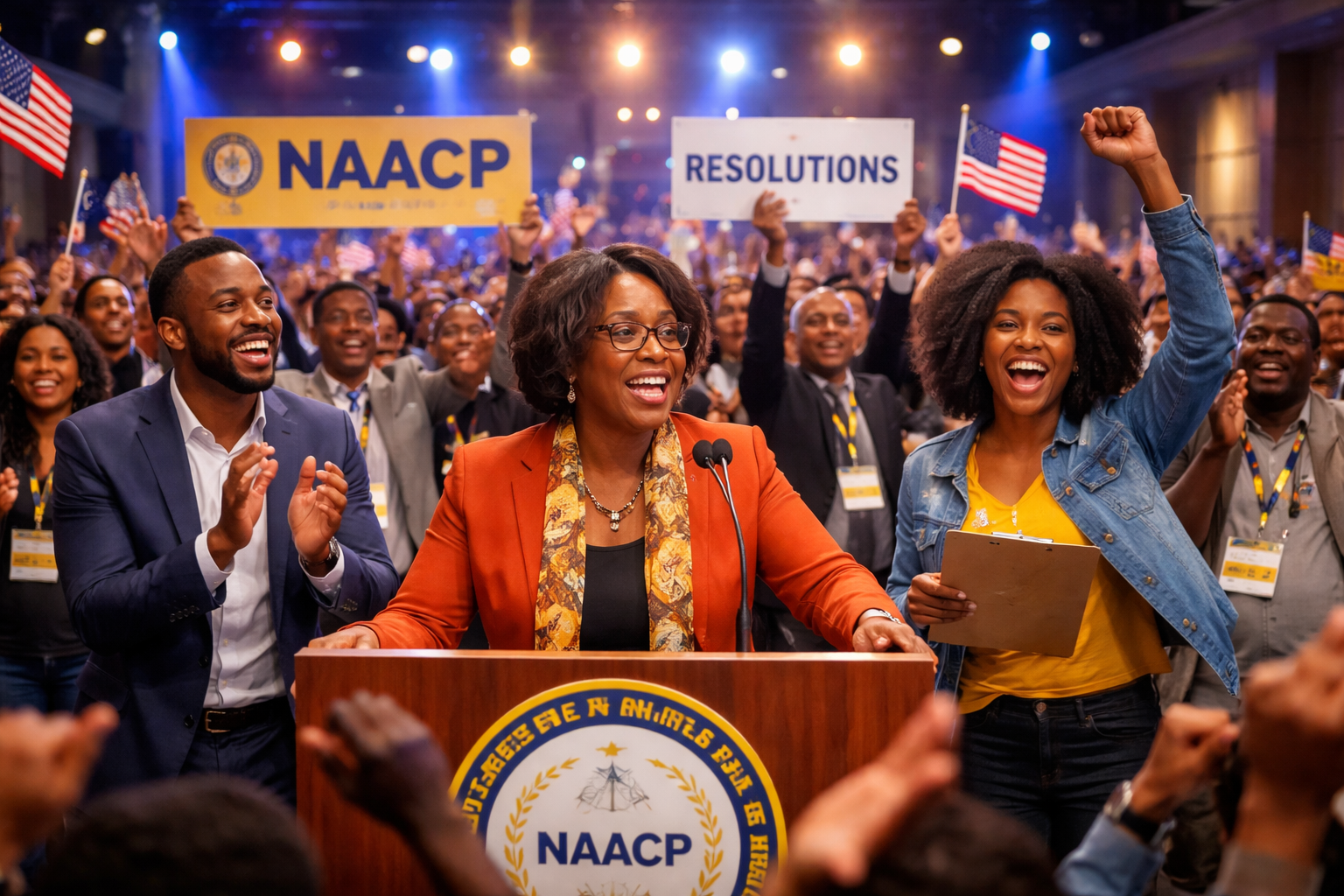

Policy Resolutions and Grassroots Impact: How NAACP Conventions Shape Civil Rights Agendas

The NAACP has long played a central role in shaping civil rights policy in the United States. Its national conventions serve as key platforms where leaders, activists, and community members gather to discuss pressing issues and propose solutions. These conventions are not merely symbolic events—they actively influence the direction of civil rights advocacy. Policy resolutions … Read more

Data Ethics and Social Justice: Regulating AI to Protect Civil Rights in the Digital Era

The rapid expansion of artificial intelligence has transformed how societies function, influencing decisions in employment, healthcare, finance, and governance. While AI offers efficiency and innovation, it also raises critical concerns about fairness, accountability, and civil rights. Data-driven systems can unintentionally reinforce biases, leading to unequal outcomes for marginalized communities. Ensuring ethical AI requires balancing technological … Read more

Climate Policy and Racial Equity: Bridging Gaps in Environmental Decision-Making

Climate change policies are increasingly shaping economic, social, and environmental outcomes across the globe. However, the impacts of these policies are not evenly distributed. Marginalized communities, particularly racial minorities, often face disproportionate environmental risks while having limited influence in decision-making processes. This imbalance highlights the urgent need to integrate racial equity into climate policy frameworks. … Read more

Technology and Civil Rights: The NAACP’s Evolving Strategy in the Digital Age

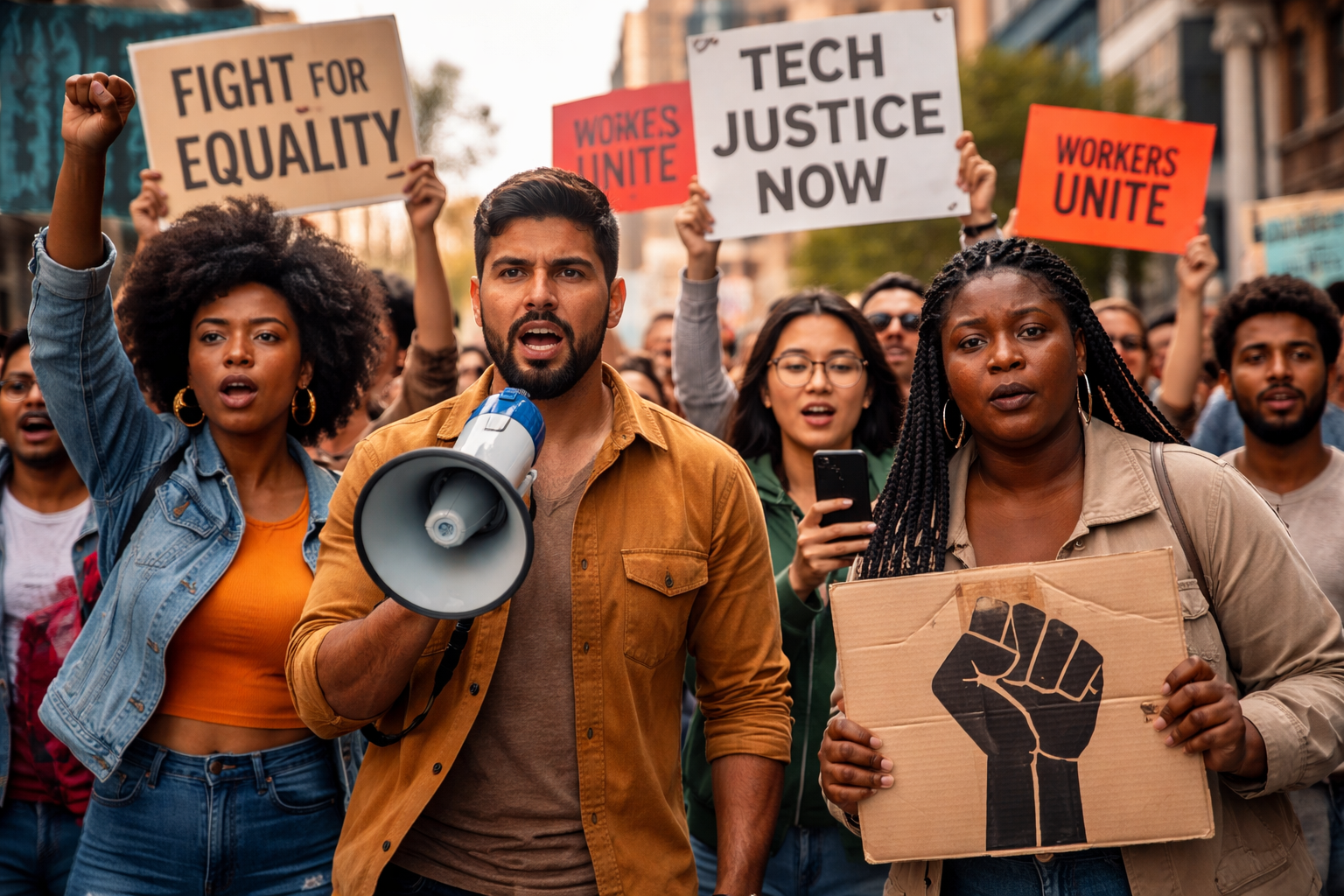
The intersection of technology and civil rights has become increasingly significant in shaping modern advocacy. The NAACP has adapted its strategies to address challenges and opportunities presented by the digital era. From combating online discrimination to promoting digital equity, technology now plays a central role in advancing civil rights. As society becomes more digitally connected, … Read more

Intersectional Justice and Modern Civil Rights Movements: Addressing Race, Class, and Technology

Modern civil rights movements are increasingly shaped by the concept of intersectional justice, which recognizes that social inequalities are interconnected rather than isolated. The framework of Intersectionality highlights how factors such as race, class, gender, and technology intersect to create complex forms of discrimination and privilege. This approach has transformed how activists, policymakers, and organizations … Read more

Digital Literacy and Youth Empowerment: Educating Teens to Combat Online Racial Hate

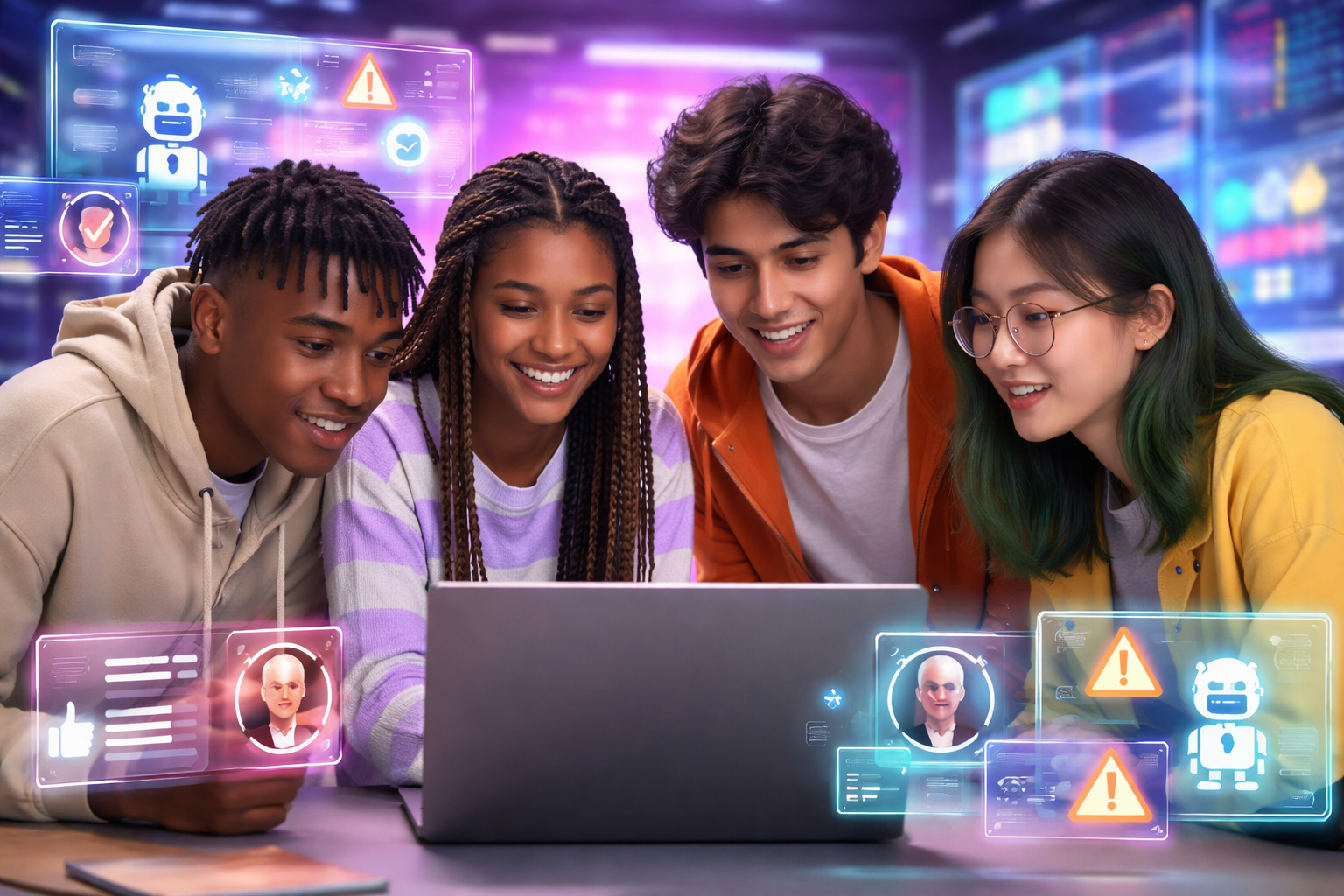
In the digital age, young people are constantly connected to online platforms where ideas, opinions, and identities are shared. While these spaces offer opportunities for learning and connection, they also expose teens to harmful content, including racial hate. Digital literacy has emerged as a critical tool in empowering youth to navigate these challenges responsibly and … Read more

Algorithmic Bias and Online Platforms: How AI Moderation Shapes Racial Equality for Youth

Artificial intelligence has transformed how online platforms manage content, particularly through automated moderation systems. These systems are designed to detect harmful behavior, remove inappropriate content, and create safer digital environments. However, concerns about algorithmic bias have raised important questions about fairness, especially in how these systems impact racial equality among young users. For youth who … Read more

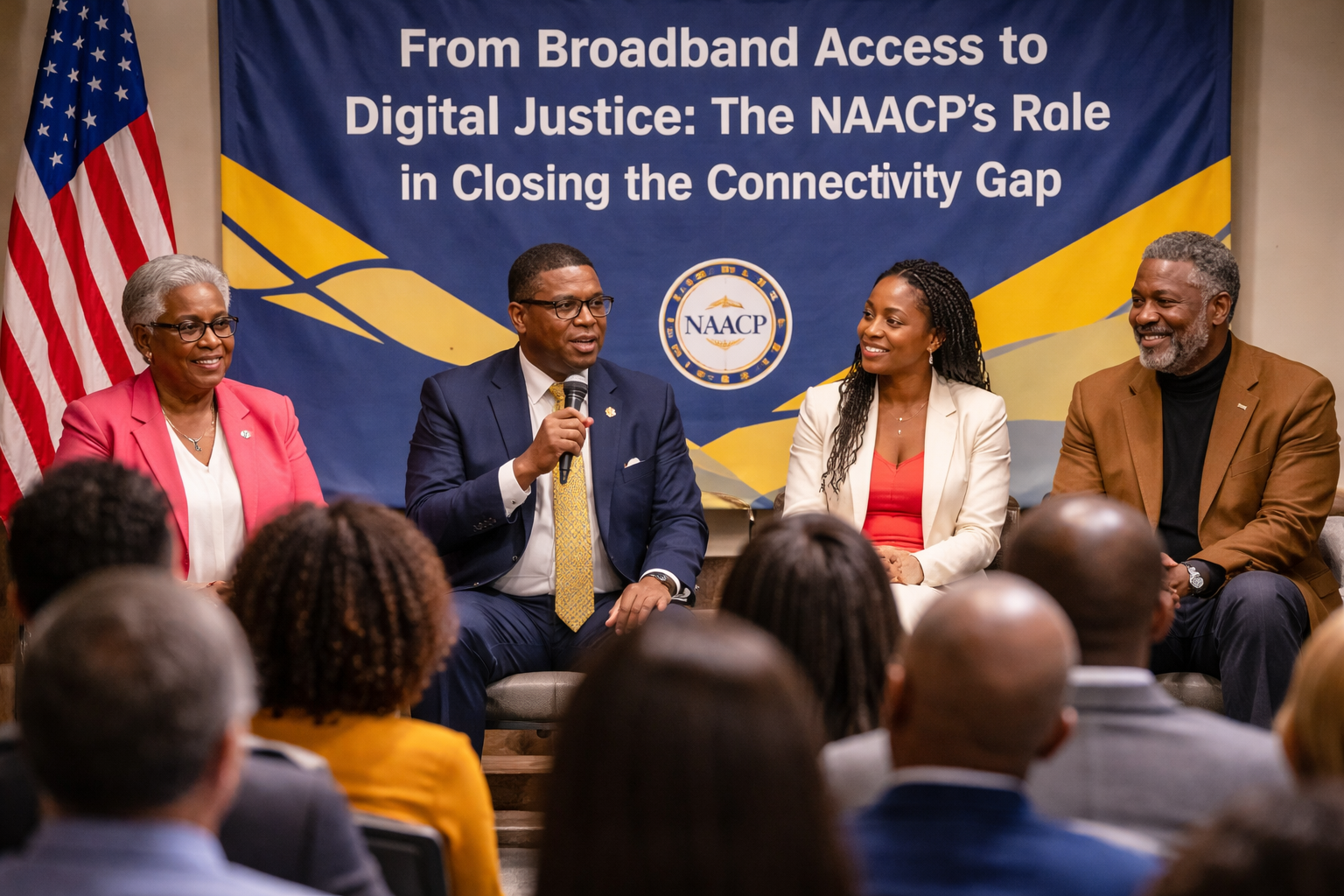
From Broadband Access to Digital Justice: The NAACP’s Role in Closing the Connectivity Gap

Access to reliable internet has become essential for education, employment, healthcare, and civic participation. Yet, millions of people still face barriers to connectivity, creating a digital divide that reinforces existing inequalities. This gap is not just about technology—it is a matter of fairness, opportunity, and rights. The NAACP has taken a leading role in addressing … Read more

Algorithmic Bias and Civil Rights: How the NAACP Is Challenging AI Discrimination

As artificial intelligence becomes more integrated into everyday decision-making, concerns about fairness and discrimination are growing. Algorithms now influence hiring, lending, policing, and access to essential services. While these systems promise efficiency, they can also reproduce and amplify existing social inequalities. The NAACP has emerged as a key advocate in addressing algorithmic bias and protecting … Read more