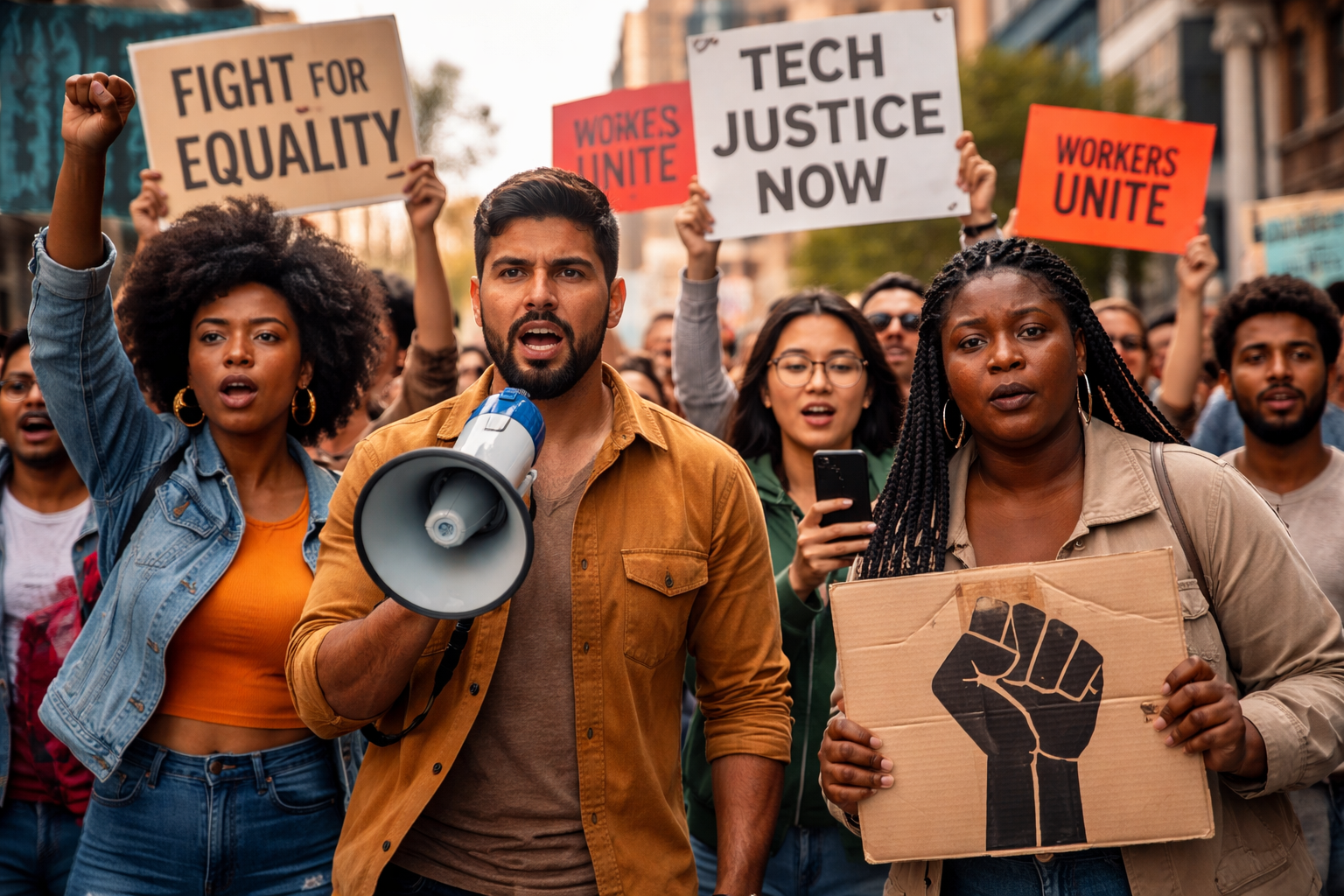
Modern civil rights movements are increasingly shaped by the concept of intersectional justice, which recognizes that social inequalities are interconnected rather than isolated. The framework of Intersectionality highlights how factors such as race, class, gender, and technology intersect to create complex forms of discrimination and privilege. This approach has transformed how activists, policymakers, and organizations understand and address inequality.
In today’s digital era, technology has become both a tool for empowerment and a source of new challenges. Civil rights movements now operate across physical and digital spaces, addressing systemic injustices while navigating issues such as algorithmic bias, digital access, and online discrimination. This evolving landscape requires innovative strategies that integrate social awareness with technological understanding.
Justice Overview
Key Dimensions of Intersectional Civil Rights
| Dimension | Description |
|---|---|
| Race Dynamics | Structural inequalities based on racial identity |
| Economic Factors | Class disparities affecting access and opportunity |
| Technological Impact | Role of digital systems in shaping inequality |
| Policy Frameworks | Laws and regulations addressing civil rights |
| Grassroots Action | Community-led initiatives and advocacy |
This overview emphasizes the multifaceted nature of modern civil rights issues. Addressing these dimensions requires a holistic approach that considers the interplay between social and technological factors.
Race Inequality
Racial inequality remains a central issue in civil rights movements worldwide. Systemic barriers in areas such as education, employment, and housing continue to affect marginalized communities. Intersectional analysis reveals that these challenges are often compounded by other factors, such as economic status and access to technology.
Modern movements are increasingly focused on addressing these layered inequalities. By recognizing the diverse experiences within racial groups, activists can develop more inclusive and effective strategies for change.
Class Disparities
Economic inequality plays a significant role in shaping access to opportunities and resources. Individuals from lower-income backgrounds often face barriers to education, healthcare, and digital connectivity. These disparities are closely linked to broader social inequalities.
Intersectional justice highlights how class intersects with race and other factors, creating compounded disadvantages. Addressing class disparities requires policies and initiatives that promote economic inclusion and equitable access to resources.
Technology Influence
- Digital platforms amplify voices and enable global activism.
- Algorithmic bias can reinforce existing inequalities in decision-making systems.
- Social media facilitates awareness but also exposes users to online harassment.
- Data privacy concerns disproportionately affect vulnerable populations.
Technology has become a powerful force in civil rights movements. While it offers new opportunities for advocacy and organization, it also introduces challenges that must be addressed to ensure equitable outcomes.
Movement Strategies
- Grassroots organizing strengthens community-driven change.
- Policy advocacy pushes for legal reforms and protections.
- Digital campaigns raise awareness and mobilize supporters.
- Cross-sector partnerships enhance resources and impact.
Effective strategies combine traditional activism with modern tools. By leveraging multiple approaches, movements can address complex issues more comprehensively.
Policy Challenges
Developing policies that address intersectional issues is inherently complex. Policymakers must consider multiple dimensions of inequality and ensure that solutions do not inadvertently exclude certain groups. This requires careful analysis and inclusive decision-making processes.
Regulatory frameworks must also adapt to technological advancements. Issues such as algorithmic transparency and digital rights are becoming increasingly important in the context of civil rights.
Community Empowerment
Empowering communities is a fundamental goal of intersectional justice. This involves providing access to education, resources, and opportunities that enable individuals to advocate for their rights. Community-led initiatives play a crucial role in driving sustainable change.
Education and awareness are key components of empowerment. By understanding the interconnected nature of social issues, individuals can engage more effectively in advocacy and decision-making processes.
Global Perspectives
Intersectional justice is a global concern, with civil rights movements addressing similar challenges across different regions. While the specific context may vary, issues related to race, class, and technology are widely relevant.
International collaboration allows for the exchange of ideas and best practices. By learning from diverse experiences, movements can develop more effective strategies for addressing inequality on a global scale.
Final Analysis
Intersectional justice provides a powerful framework for understanding and addressing the complexities of modern civil rights movements. By recognizing the interconnected nature of race, class, and technology, activists and policymakers can develop more inclusive and effective solutions.
The future of civil rights advocacy lies in integrating social awareness with technological innovation. Through collaboration, education, and adaptive strategies, societies can move closer to achieving equity and justice for all.