
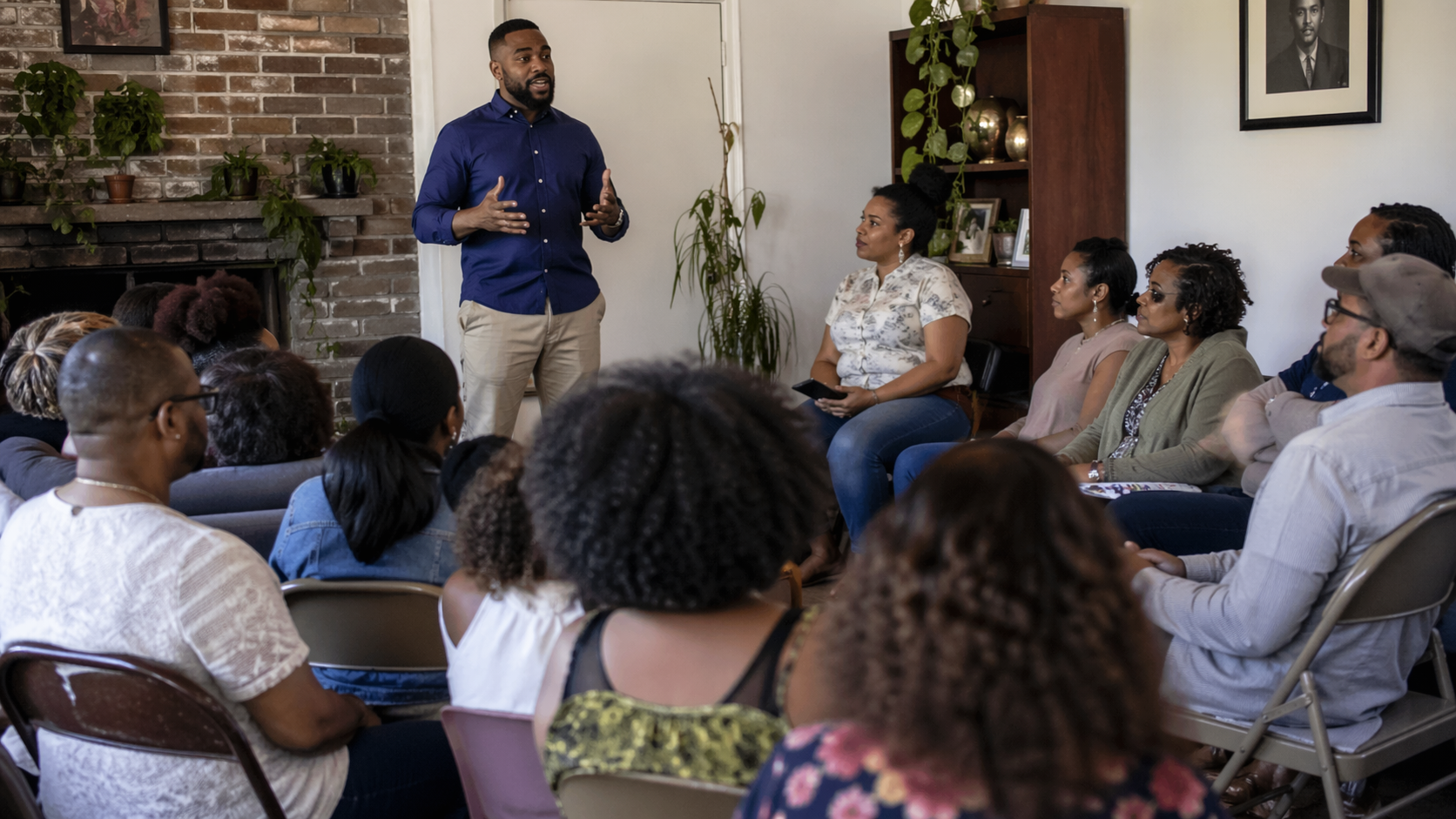
Grassroots mobilization has long been a cornerstone of civil rights progress in the United States, and the work of the NAACP exemplifies this approach. Founded in the early 20th century, the organization has consistently empowered local communities to advocate for justice, equality, and systemic change. Its decentralized structure allows local chapters to address issues most relevant to their communities.
Through community organizing, education, and advocacy, the NAACP has built a strong foundation for civic engagement. By mobilizing individuals at the grassroots level, the organization has influenced policy, raised awareness, and strengthened community resilience. This localized approach ensures that change is both meaningful and sustainable.
Mobilization Snapshot
Overview of NAACP Grassroots Mobilization
| Element | Description |
|---|---|
| Organization Role | Civil rights advocacy and community mobilization |
| Key Strategy | Local chapter-based organizing |
| Primary Focus | Equality, justice, and policy reform |
| Engagement Tools | Protests, education, voter outreach |
| Impact Level | Local, regional, and national |
Organizing Foundations
Grassroots organizing within the NAACP is built on strong community relationships and local leadership. Chapters operate independently while aligning with the organization’s broader mission. This structure allows for flexibility in addressing diverse social and political challenges.
Local organizers play a crucial role in identifying community needs and mobilizing resources. By fostering trust and collaboration, they create a network of engaged citizens who are committed to driving change. This foundation is essential for effective grassroots action.
Community Strategies
- Door-to-door outreach to engage residents directly
- Hosting town hall meetings and community forums
- Building partnerships with local organizations and leaders
- Utilizing social media for awareness and mobilization
These strategies ensure that community members are informed, involved, and empowered. Direct engagement helps build trust and encourages active participation in civic processes.
Advocacy Efforts
- Campaigning for voting rights and fair representation
- Addressing issues related to education, housing, and employment
- Organizing peaceful protests and demonstrations
- Engaging with policymakers to influence legislation
Advocacy efforts are tailored to local needs while contributing to national movements. By addressing specific issues, the NAACP ensures that its initiatives remain relevant and impactful.
Youth Involvement
Youth engagement is a vital component of grassroots mobilization. The NAACP actively encourages young people to participate in community organizing and advocacy. Programs and initiatives are designed to develop leadership skills and civic awareness.
Involving youth ensures the continuity of the movement. It also brings fresh perspectives and innovative ideas, strengthening the overall impact of grassroots efforts.
Local Impact
Grassroots mobilization has led to tangible improvements in many communities. From increased voter turnout to policy changes, the efforts of local chapters have produced measurable results. These successes demonstrate the power of collective action.
Local impact also includes strengthening community bonds. By working together toward common goals, residents build a sense of unity and shared purpose.
Communication Tools
Effective communication is essential for mobilization. The NAACP uses a variety of tools to reach and engage communities, including newsletters, social media platforms, and public events. Clear and consistent messaging ensures that information is accessible and actionable.
Communication strategies also focus on inclusivity. By addressing diverse audiences, the organization ensures that all community members have the opportunity to participate.
Challenges Faced
Grassroots mobilization is not without challenges. Limited resources, political opposition, and community apathy can hinder progress. Overcoming these obstacles requires persistence, creativity, and strong leadership.
Adapting to changing social and political environments is also essential. The NAACP continuously evolves its strategies to remain effective in addressing contemporary issues.
Strategic Outcomes
The long-term outcomes of grassroots mobilization extend beyond immediate victories. By empowering individuals and communities, the NAACP fosters a culture of civic engagement and advocacy. This creates a foundation for ongoing social change.
Strategic outcomes also include increased awareness and education. As communities become more informed, they are better equipped to advocate for their rights and interests.
Closing Reflections
Grassroots mobilization by the NAACP highlights the power of community-driven change. Through organizing, advocacy, and education, the organization has made a lasting impact on local and national levels.
By continuing to empower communities and adapt to evolving challenges, grassroots efforts will remain a vital force in advancing equality and justice. The NAACP’s approach demonstrates that meaningful change begins at the local level and grows through collective action.