
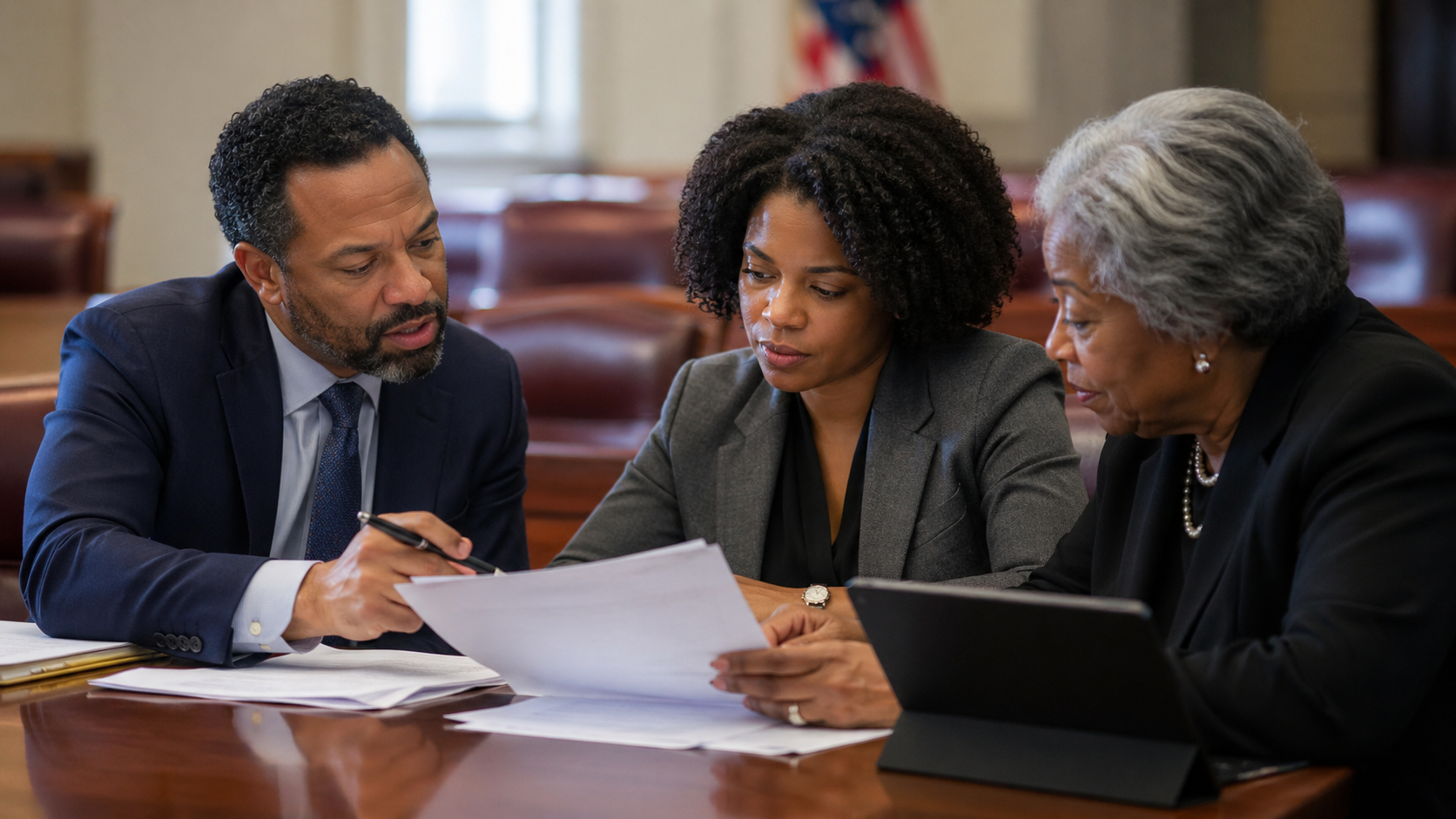
The NAACP has long been a cornerstone of civil rights advocacy in the United States. Founded in 1909, the organization initially focused on combating racial discrimination through legal challenges and public awareness campaigns. Over time, its role has evolved to address complex modern issues such as voting rights, criminal justice reform, and economic inequality.
In today’s rapidly changing social and political landscape, the NAACP continues to innovate its policy strategies and legal approaches. By combining traditional advocacy with modern tools and partnerships, the organization remains a powerful force in advancing civil rights and promoting social justice.
Historical Context
The NAACP’s early efforts were rooted in legal advocacy, challenging discriminatory laws and practices through the court system. One of its most significant contributions was its involvement in the landmark case Brown v. Board of Education, which declared racial segregation in public schools unconstitutional. This victory set a precedent for future civil rights litigation.
Throughout the 20th century, the organization expanded its focus to include broader social and economic issues. Its advocacy efforts played a key role in shaping major legislative achievements during the civil rights movement, establishing a foundation for ongoing reform.
Advocacy Milestones Table
| Area | Description |
|---|---|
| Legal Action | Landmark court cases challenging discrimination |
| Policy Reform | Influence on civil rights legislation |
| Community Outreach | Grassroots mobilization and education |
| Public Awareness | Campaigns to highlight social issues |
| Modern Focus | Addressing systemic inequality and justice |
Policy Strategies
- Legislative Advocacy
- Promotes laws that protect civil rights
- Engages with policymakers at multiple levels
- Coalition Building
- Partners with organizations for broader impact
- Strengthens advocacy through collaboration
- Data-Driven Policy
- Uses research to support policy proposals
- Enhances credibility and effectiveness
Policy innovation is central to the NAACP’s modern approach. By leveraging research and data, the organization develops targeted strategies that address systemic issues. This evidence-based approach ensures that advocacy efforts are both effective and relevant.
Collaboration with other organizations amplifies the impact of these strategies. By building coalitions, the NAACP can address complex challenges more comprehensively and advocate for meaningful change at local, state, and national levels.
Legal Advocacy
- Strategic Litigation
- Challenges discriminatory practices in court
- Seeks precedent-setting decisions
- Civil Rights Protection
- Defends voting rights and equal access
- Addresses systemic discrimination
- Legal Support
- Provides resources for affected communities
- Ensures access to justice
Legal advocacy remains a core component of the NAACP’s work. Through strategic litigation, the organization continues to challenge policies and practices that undermine civil rights. These efforts often lead to significant legal precedents that shape the broader legal landscape.
The NAACP also provides support to individuals and communities facing discrimination. By ensuring access to legal resources, the organization empowers people to defend their rights and seek justice.
Modern Challenges
The NAACP faces a range of modern challenges, including evolving forms of discrimination and rapidly changing political environments. Issues such as voter suppression, economic inequality, and systemic bias require innovative approaches and sustained advocacy.
Adapting to these challenges involves embracing new technologies and communication strategies. Digital platforms and social media have become essential tools for mobilizing support and raising awareness about civil rights issues.
Community Engagement
- Grassroots Mobilization
- Encourages local participation in advocacy
- Builds strong community networks
- Educational Programs
- Raises awareness about civil rights
- Promotes informed civic engagement
- Youth Involvement
- Engages younger generations in activism
- Ensures continuity of advocacy efforts
Community engagement is a vital aspect of the NAACP’s mission. By working directly with communities, the organization ensures that its efforts are grounded in real-world experiences and needs. This approach strengthens the effectiveness of its advocacy initiatives.
Engaging youth is particularly important for sustaining long-term impact. By involving younger generations, the NAACP fosters a culture of activism and ensures that the fight for civil rights continues into the future.
Policy Impact
The NAACP’s policy and legal efforts have had a significant impact on civil rights reform. Its advocacy has influenced legislation, shaped public discourse, and contributed to meaningful social change. These achievements demonstrate the organization’s enduring relevance and effectiveness.
By addressing both immediate issues and long-term challenges, the NAACP continues to play a critical role in advancing equality. Its ability to adapt and innovate ensures that it remains a leading force in the ongoing struggle for civil rights.
Future Directions
- Technological Integration
- Uses digital tools for advocacy
- Expands reach and engagement
- Global Perspective
- Addresses human rights issues internationally
- Builds cross-border partnerships
- Sustainable Advocacy
- Focuses on long-term policy solutions
- Ensures lasting impact
Looking ahead, the NAACP is poised to continue evolving its strategies to meet emerging challenges. By integrating technology and expanding its scope, the organization can enhance its impact and address a broader range of issues.
Sustainable advocacy will remain a key focus, ensuring that progress in civil rights is both meaningful and enduring. The NAACP’s commitment to innovation and justice positions it well for continued leadership in this field.
Final Thoughts
The NAACP’s evolving role in modern civil rights reform reflects its ability to adapt to changing societal needs while staying true to its core mission. Through policy innovation and legal advocacy, the organization continues to drive meaningful change and promote equality.
As challenges persist, the NAACP’s work remains essential in shaping a more just and inclusive society. Its legacy of advocacy and commitment to progress ensures that it will continue to play a pivotal role in the ongoing fight for civil rights.