Civic engagement and voter empowerment are essential pillars of a functioning democracy, and the NAACP has played a central role in advancing these principles. Since its founding, the organization has worked to eliminate barriers to voting and ensure equal political participation for all citizens. Its efforts have shaped policies, influenced public opinion, and strengthened democratic systems.
Through strategic programs and grassroots initiatives, the NAACP promotes active citizenship and informed participation. By focusing on education, advocacy, and mobilization, the organization empowers individuals to exercise their rights and engage meaningfully in the political process.
Participation Snapshot
Overview of NAACP Civic Engagement and Voter Empowerment
| Element | Description |
|---|---|
| Core Mission | Promote equal voting rights and civic participation |
| Key Strategies | Education, advocacy, and mobilization |
| Target Groups | Underserved and marginalized communities |
| Primary Tools | Voter registration, outreach campaigns |
| Impact Goal | Strengthen democratic participation |
Strategic Foundations
The NAACP builds its voter empowerment strategy on a foundation of equality and access. Its initiatives are designed to address systemic barriers that have historically limited participation among marginalized groups. By focusing on inclusivity, the organization ensures that all voices are represented.
Strategic planning also involves collaboration with community leaders and partner organizations. These partnerships enhance outreach efforts and ensure that programs are tailored to local needs. This approach strengthens the overall effectiveness of civic engagement initiatives.
Voter Outreach
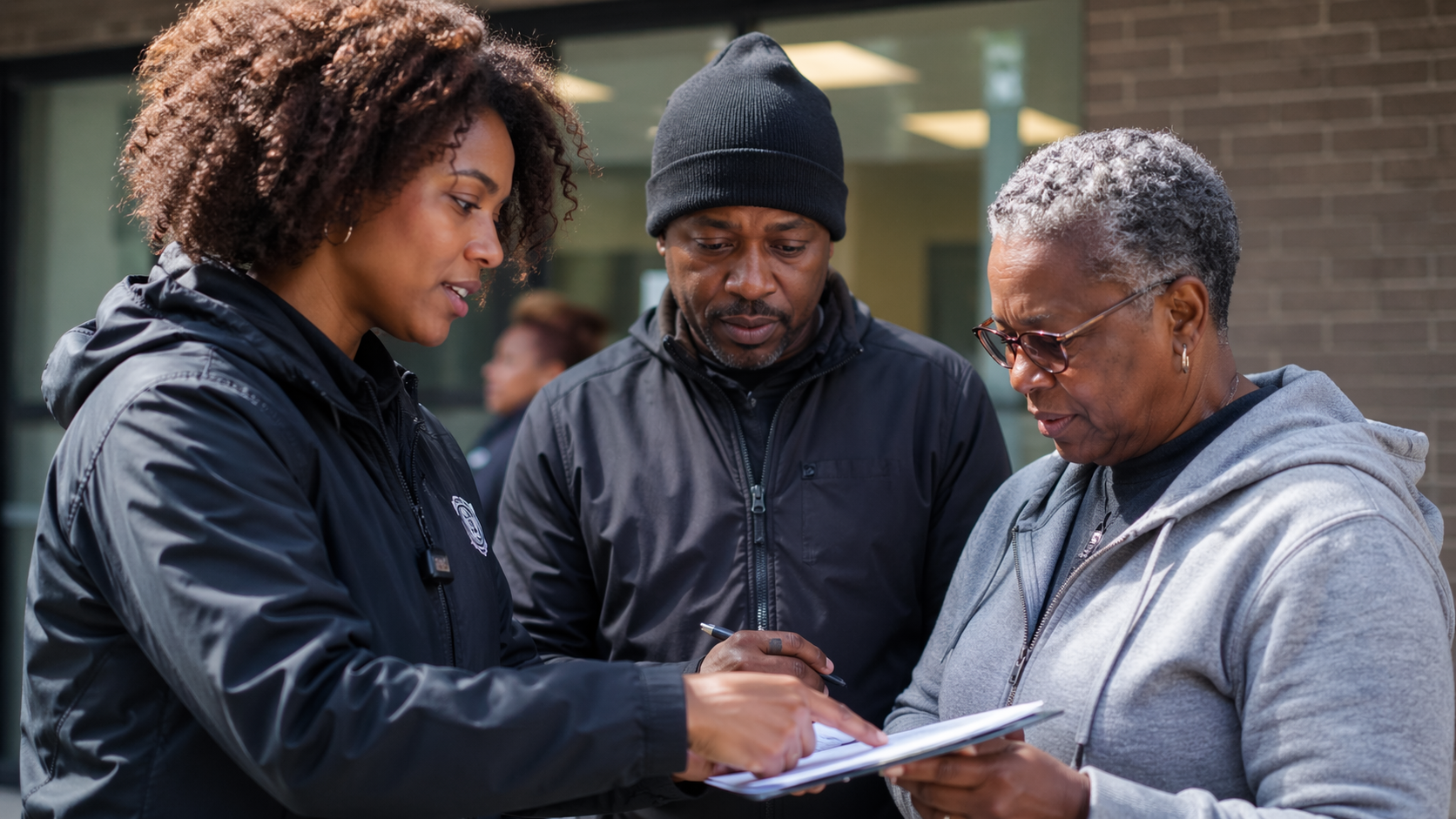
- Organizing voter registration drives in underserved communities
- Conducting door-to-door campaigns to raise awareness
- Hosting informational sessions on voting procedures
- Using digital platforms to reach a broader audience
Voter outreach efforts aim to make the registration process accessible and straightforward. By providing clear information and assistance, the NAACP helps individuals overcome logistical and informational barriers to participation.
Education Programs
- Offering workshops on civic rights and responsibilities
- Providing resources on election processes and policies
- Promoting awareness of local and national issues
- Encouraging critical thinking and informed decision-making
Education programs are essential for empowering voters. By increasing knowledge and awareness, these initiatives enable individuals to make informed choices and engage more confidently in the political process.
Advocacy Actions
Advocacy is a key component of the NAACP’s strategy. The organization actively campaigns for policies that protect voting rights and expand access to the electoral process. This includes challenging discriminatory practices and supporting legislative reforms.
Through advocacy, the NAACP amplifies the voices of marginalized communities. It works to ensure that laws and policies reflect the principles of fairness and equality, strengthening democratic institutions.
Youth Engagement
Engaging young people is critical for sustaining democratic participation. The NAACP invests in youth programs that encourage civic involvement and leadership development. These initiatives help young individuals understand the importance of voting and community engagement.
Youth engagement also brings innovation to civic efforts. By incorporating new ideas and technologies, younger generations contribute to more dynamic and effective outreach strategies.
Digital Mobilization
Technology has become an important tool for civic engagement. The NAACP uses digital platforms to disseminate information, organize campaigns, and connect with communities. Social media, online events, and mobile applications enhance accessibility and participation.
Digital mobilization also allows for real-time communication and rapid response to emerging issues. This agility is essential in today’s fast-paced political environment.
Challenges Faced
Despite its efforts, the NAACP faces challenges in promoting voter empowerment. Barriers such as misinformation, voter suppression tactics, and a lack of resources can hinder participation. Addressing these challenges requires continuous adaptation and innovation.
Building trust within communities is another important challenge. Effective communication and transparency are essential for encouraging participation and overcoming skepticism.
Impact Outcomes
The NAACP’s civic engagement initiatives have led to increased voter registration and turnout in many communities. These outcomes demonstrate the effectiveness of targeted outreach and education efforts. By empowering individuals, the organization contributes to more inclusive and representative democratic processes.
Long-term impacts include stronger civic awareness and sustained participation. As communities become more engaged, they are better equipped to advocate for their rights and influence policy decisions.
Moving Forward
The NAACP continues to play a vital role in promoting civic engagement and voter empowerment. Its comprehensive strategy, combining education, outreach, and advocacy, ensures that democratic participation remains accessible to all.
As challenges evolve, the organization’s commitment to equality and inclusion will remain essential. By fostering informed and active citizenship, the NAACP helps build a stronger, more equitable democratic society.